WW/PORTSTERMI
Pinglu Canal opening turns Nanning into river-sea gateway for ASEAN trade
Nanning is leveraging the Pinglu Canal's September opening to become an ASEAN logistics hub, with foreign-trade berths live and a 14-hour rail link to Hanoi.
- By
- Elena Vasquez
- Filed
- Length
- 590 words
- Read
- 3 min
Key points05
- Pinglu Canal opened in September, turning Nanning port into a river-sea intermodal departure point
- Berths 1-6 at Baliang joint operation area, Liujing Port district, are open to foreign trade
- China-Vietnam cross-border express freight links Nanning and Hanoi in as little as 14 hours
- Nanning Wuxu airport handled 127,800 tonnes of cargo and mail January-October, 47,300 tonnes international
- Nanning's expressway network exceeds 1,500 km with daily cross-border rail freight to Vietnam
Nanning is positioning itself as an international logistics hub for South-east Asia, betting on the Pinglu Canal's September opening to shift inland cargo flows onto river-sea intermodal routes bound for ASEAN markets. Municipal officials laid out the plans yesterday, tying road, rail, waterway and air investments into a single ambition: a two-way corridor carrying Chinese exports out through Guangxi and South-east Asian goods into China.
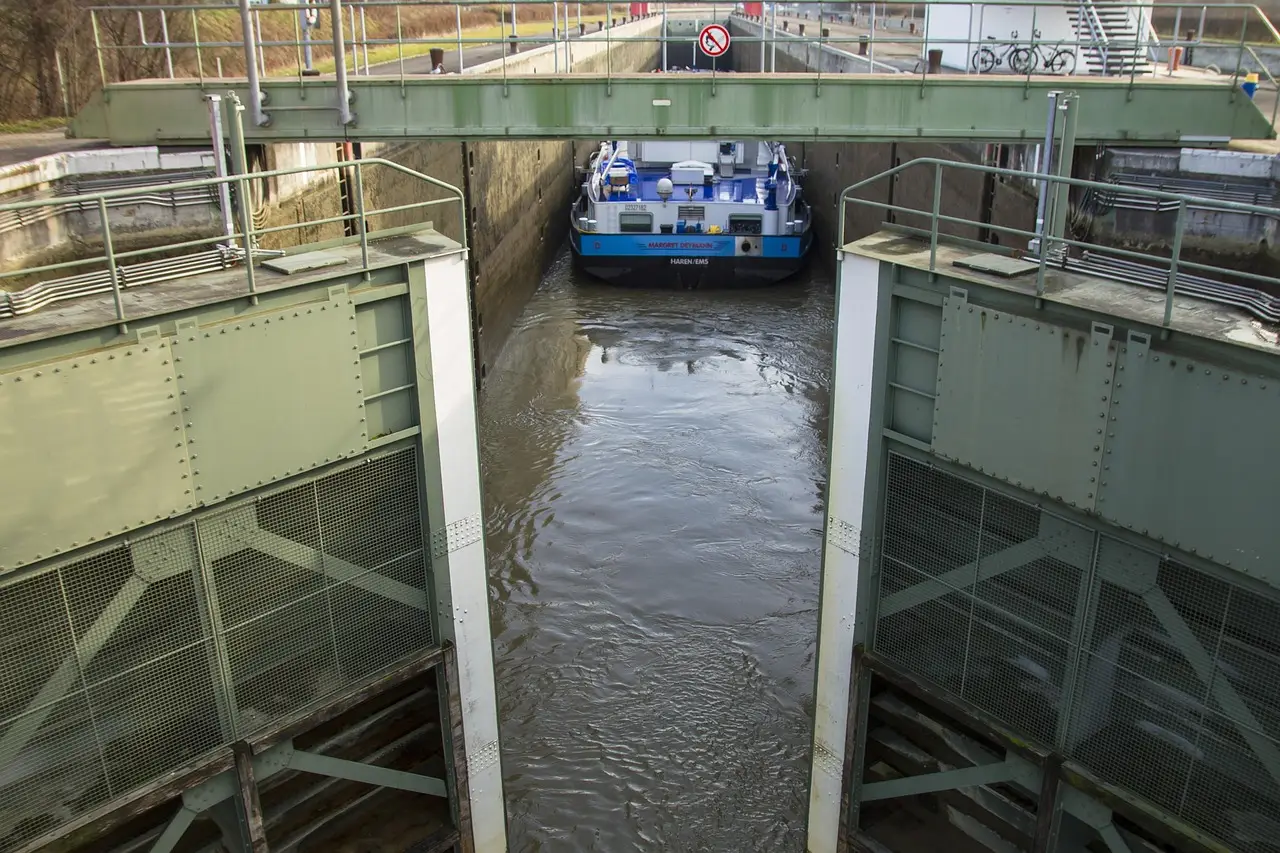
The canal has already changed the job description of Nanning's port. "With the Pinglu Canal's opening, Nanning port has evolved from primarily handling domestic trade into a departure point for river-sea intermodal transport," said Wu Shaopeng, deputy director of the Nanning Municipal Bureau of Commerce. That shift became concrete at the Baliang joint operation area in the Liujing Port district, where berths 1 to 6 have opened to foreign trade, allowing international cargo to move directly through the port rather than transiting other gateways.
What does the rail and road build-out deliver?
Landside capacity is expanding in parallel. Zhu Chao, director of the Nanning Municipal Bureau of Transportation, said the city's expressway network now exceeds 1,500 km, while the Nanning International Railway Port runs daily cross-border rail freight services to Vietnam.
"Nanning's railway port has become China's largest consolidation and distribution centre for rail exports to the neighbouring country," Zhu said. Technical coordination on China-Vietnam cross-border express freight has compressed station-to-station transit between Nanning and Hanoi to as little as 14 hours — a timing that puts rail in direct competition with road haulage on the corridor.
How strong is the air cargo leg?
Nanning Wuxu International Airport adds an air dimension to the hub pitch. The airport has an annual cargo and mail handling capacity of 400,000 tonnes and operates seven international cargo routes serving ASEAN markets. Between January and October it handled 127,800 tonnes of air cargo and mail, of which 47,300 tonnes — roughly 37% — was international freight.
The airport's Yong Zhi Yi (Wings of Nanning) smart air logistics platform supports transfers between international and domestic flights. According to municipal officials, it cuts four hours from the time needed to distribute ASEAN-imported fruit to destinations across China — a meaningful margin for perishables moving deep inland.
What comes next for the corridor?
For shippers and forwarders moving China-ASEAN cargo, the immediate commercial implication is route optionality: direct foreign-trade berths at Liujing, a 14-hour rail link to Hanoi and expanding air freight capacity reduce reliance on coastal gateways for Guangxi-originating volumes. For carriers, the build-out signals a gradual redistribution of China-Vietnam and broader ASEAN flows toward inland river-sea and rail products.
Nanning plans to increase the frequency of international freight shipping routes and cross-border rail services to ASEAN, while tightening connections between rail container services, road freight and port facilities. Zhu framed the longer-term goal in explicit two-way terms: "Nanning will use the Pinglu Canal to revitalise its ports and promote coordinated development across the region," he said, describing an ambition to facilitate exports of Chinese products to ASEAN markets through Guangxi while providing an efficient route for South-east Asian goods entering China.
With the canal open since September and foreign-trade berths already live, the trajectory officials describe is one of rising frequency on every mode — a corridor whose capacity, and its pull on regional cargo shares, shippers will be able to measure in schedules and rates over the coming quarters.
Source: The Loadstar
More from Elena Vasquez
Show full bio
News editor covering people, launches and day-to-day practice in Ocean and air freight, container shipping at Waybill Wire.
858 articles
Related05
Nanning and Can Tho Connect via New Direct Container Service
Hong Kong Bets on Pinglu Canal to Reverse Port Cargo Decline
China opens direct box shipping to Mekong Delta via canal
SITC CJV6 makes first international liner call at Nansha Phase IV terminal
DP World to launch weekly China–Africa service with $665m port backing