WW/OCEANFREIG
Panama Canal Lifts Draft to 49 Feet, Adds Tenth Daily Neopanamax Slot
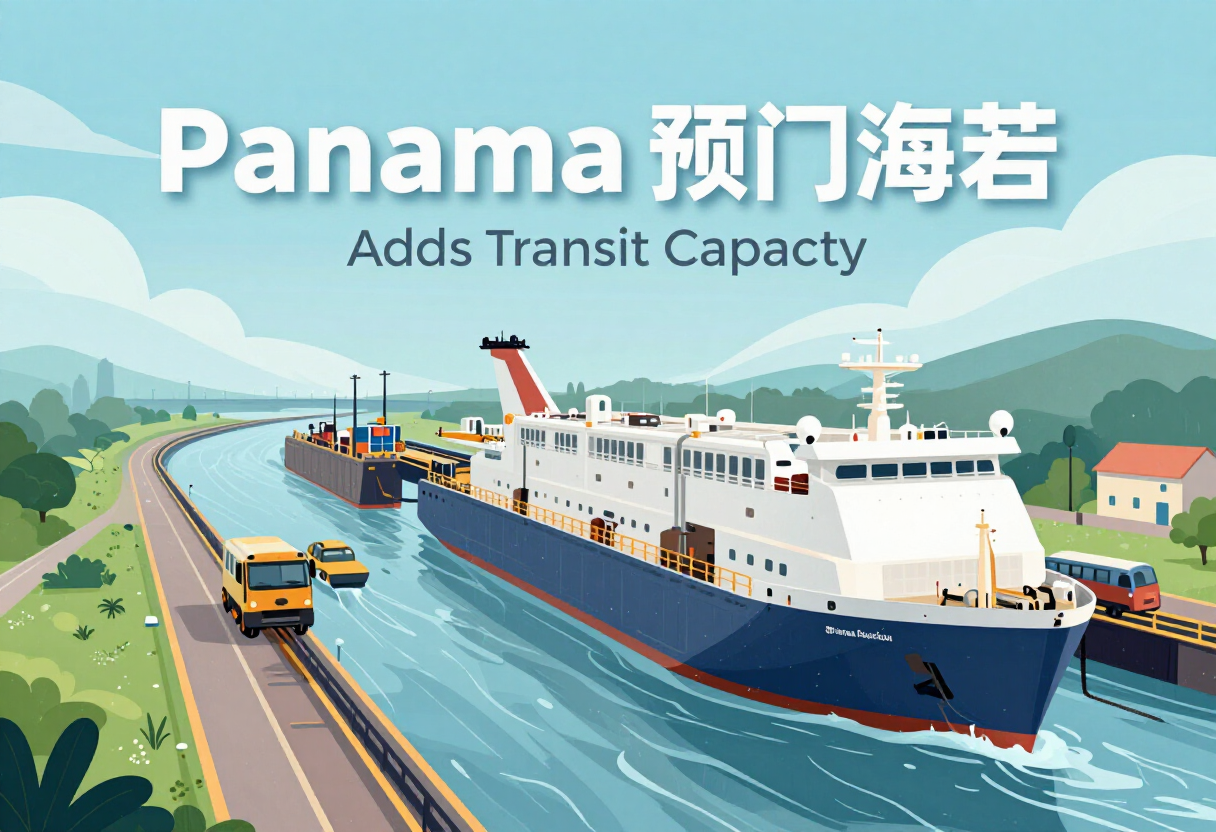
Panama Canal raises Neopanamax draft to 49 feet immediately and adds a tenth daily slot from October 15, lifting total capacity to 33 transits per day as rainfall nears averages.
- Desk
- Ocean Freight
- By
- Elena Vasquez
- Filed
- Length
- 540 words
- Read
- 3 min
Key points03
- Neopanamax maximum draft increased immediately to 49 feet (14.94 m) Tropical Fresh Water, up from 48 feet; a planned cut to 47.5 feet on October 1 was scrapped.
- Daily Neopanamax transits rise from nine to 10 on October 15, bringing total canal capacity to 33 vessels per day across both lock systems.
- The watershed remains in water deficit; the Transit Reservation System is still the only way to guarantee a transit date, and unreserved ships risk indefinite delays.
The Panama Canal has raised the maximum authorized draft for Neopanamax lock transits to 49 feet (14.94 meters) Tropical Fresh Water with immediate effect, up from 48 feet, and will add a tenth daily Neopanamax slot from October 15, lifting total canal capacity to 33 vessels per day.
The Panama Canal Authority announced the changes after precipitation close to historical averages, combined with water-saving measures at the locks, stabilized conditions in the drought-sensitive watershed feeding Gatun Lake. The reversal is notable: the canal had progressively cut the Neopanamax draft through the year, bottoming out at 48 feet in early September, and had scheduled a further reduction to 47.5 feet for October 1 before scrapping that plan earlier this month.
Daily transit capacity had been squeezed on both lock systems. Neopanamax slots fell to nine on September 3, and Panamax capacity dropped to 23 slots on September 15, as below-normal rainfall and a developing El Niño raised concerns about Gatun Lake levels.
Commercial consequences
For carriers and charterers, the draft increase matters most for laden container vessels and gas carriers that trim cargo to meet canal limits. Every additional foot of draft translates into more cargo per transit on Asia–US East Coast strings that routinelly use the waterway, improving slot economics at a time when operators are already juggling geopolitical disruption.
The extra daily slot — from 33 back up across the two lock systems — modestly eases competition for reservation slots and last-minute auction capacity. That competition had intensified this year as disruption around the Strait of Hormuz, the Red Sea and the Suez Canal pushed some operators to reconsider routing through Panama, lifting demand into a period of constrained capacity.
The timing also favors tanker owners and ocean carriers already enjoying strong markets, with slower trade caused by geopolitical bottlenecks contributing to higher costs and bigger profits across shipping segments.
Conservation measures underpin recovery
Since the severe 2023–24 drought, the canal has introduced a series of conservation measures: greater use of the Neopanamax locks' water-saving basins, simultaneous lockages where operationally possible, and other changes aimed at reducing freshwater consumption per transit. Those measures, paired with the near-normal rainfall, produced the current easing.
Canal officials nonetheless cautioned that the watershed remains in a water deficit. The authority said it will continue monitoring rainfall and Gatun Lake levels and could make further adjustments as conditions change — meaning the draft and transit gains remain conditional on hydrology rather than guaranteed through the dry season.
Shippers take note
The Transit Reservation System remains the only way for vessels to guarantee a transit date, according to the latest Advisory to Shipping. Ships arriving without reservations could face indefinite delays — a sharper operational risk than before, given elevated traffic levels and the residual capacity shortfall.
Forwarders and beneficial cargo owners routing Asia–US East Coast or US intercoastal volumes through Panama should factor the tenth slot into October and November planning, while pricing in the possibility of renewed restrictions if rainfall undershoots again. The canal's trajectory from here depends on watershed recovery, but the immediate direction is toward restored capacity: more draft, more slots, and a margin of flexibility that shippers have not had since spring.
Original: pancanal.com
More from Elena Vasquez
Show full bio
News editor covering industry trends and analytics at Waybill Wire.
144 articles
Related05
Panama Canal lifts Neopanamax transits to 10 per day from Oct. 15
Panama Canal lifts Neopanamax transits to 10 per day from October 15
Shipping's New Risk: Disruptions Easing While Earnings Hit Records
Suez transits edge up, but container normality still far off
Container Shipping Faces Capacity Squeeze as Fleet Growth Accelerates