WW/AIRCARGO
Ontic opens CargoCare exchange and overhaul programme for 747 freighters
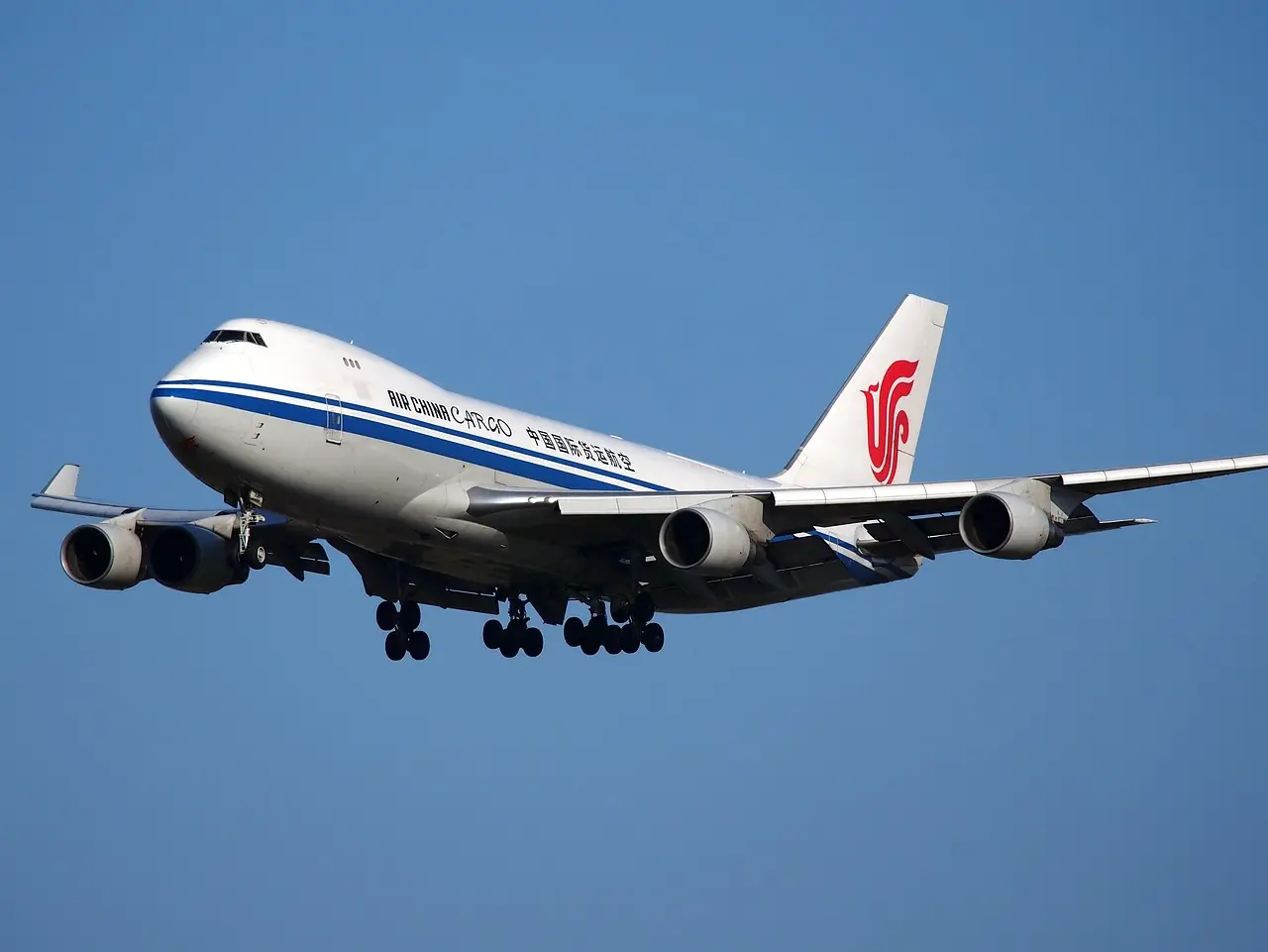
Ontic has launched CargoCare, a Boeing 747 exchange and overhaul programme, giving freighter operators a formal channel for parts support on an out-of-production type.
- Desk
- Air Cargo
- By
- Amara Osei
- Filed
- Length
- 454 words
- Read
- 2 min
Key points04
- Ontic has launched CargoCare, a Boeing 747 exchange and overhaul programme
- The programme supports an out-of-production freighter type still in wide cargo service
- CargoCare packages component exchange and overhaul into a single offering
- The launch signals continued aftermarket commitment to the 747 freighter fleet
Ontic has launched CargoCare, an exchange and overhaul programme for the Boeing 747 — a concrete signal that the freighter type's support economics now justify a dedicated aftermarket product.
The programme covers 747 exchange components and overhaul work, giving cargo operators a structured channel for parts and maintenance rather than piecemeal sourcing. For a fleet that Boeing no longer builds, that distinction matters. It's the difference between hunting for serviceable material and buying it against a published programme.
Why does a 747 programme land now?
The 747 freighter remains a workhorse on heavy and outsize cargo lanes, and operators flying it face a familiar problem: the type is out of production, so the pool of exchanged and overhauled parts doesn't refresh itself. Support programmes from licensed OEM-continuation specialists like Ontic exist precisely to close that gap.
CargoCare packages exchange and overhaul into a single offering. Exchange programmes let operators return a worn unit and receive a serviceable one quickly, keeping aircraft on the line rather than in the hangard waiting for a repair turn.
What does this change for cargo operators?
For 747 freighter operators and the lessors behind them, the practical gains are straightforward:
- Faster access to serviceable exchange parts, cutting aircraft-on-ground time
- Overhaul capacity committed to the type under a formal programme
- A named supplier accountable for quality and delivery, rather than broker-by-broker sourcing
Forwarders don't buy components, but they do buy reliability. A freighter that sits awaiting parts is capacity that quietly vanishes from a trade lane. Anything that shortens those ground events eventually shows up in schedule integrity — which is what forwarders are actually selling.
The strategic read
An aftermarket specialist committing programme-level resources to the 747 tells you something about expected fleet behaviour. Operators aren't rushing these aircraft to the desert; they're flying them and will keep flying them, which requires predictable component support for years to come.
It also fits the wider pattern in cargo aviation: as production freighter deliveries lag demand cycles, operators extend the lives of existing types and rely on the aftermarket to make that affordable. Component exchange and overhaul is where those extension decisions are won or lost.
For Ontic, CargoCare deepens its position in licensed support for legacy types — a segment where the competition is thin and the incumbency advantages are real.
What comes next
The programme's uptake will depend on the basics: exchange fees, turnaround times and the depth of part-number coverage Ontic commits to. Operators will price that against repair-shop queues and the open market. If the terms land right, CargoCare could become the default support channel for a freighter fleet that refuses to retire on schedule.
Source: Google News: air cargo
More from Amara Osei
Show full bio
Staff writer covering regulation, policy and their impact on Ocean and air freight, container shipping at Waybill Wire.
565 articles
Related05
Retired Delta 747s Now Feed Parts Lifeline for UPS and Atlas Air Cargo Fleets
Delta Cargo extends CargoWise rollout as digital build-out continues
Bridges Air Cargo puts first Embraer E-freighter into service
Airbus A350F Takes to the Air in Toulouse as Certification Campaign Begins
Shippers Move Air Freight from Plan B to Core Supply Chain Planning