WW/OCEANFREIG
Oman Tracks Oil Tanker Grounding Off Al Qibliyah Island
Oman is tracking an oil tanker grounding off Al Qibliyah Island as Gulf spill response and Strait of Hormuz negotiations keep tanker and crude-flow risks in focus.
- Desk
- Ocean Freight
- By
- Tom Whitfield
- Filed
- Length
- 707 words
- Read
- 4 min
Key points05
- Nov. 12: Oman’s National Emergency Management Committee reviewed the oil tanker grounding off Al Qibliyah Island and cargo response.
- Nearly one-fifth of the world's crude passed through the Strait of Hormuz before the war.
- By Nov. 12, the US-Israeli war on Iran had lasted nearly nine months and disrupted global energy supplies.
- UAE authorities reopened beaches on Nov. 12 after closing them following an oil spill from a tanker damaged in a suspected attack.
- In August, Oman tackled an oil leak near the Hallaniyat Islands after an attack involving the tanker Caroline Bezengi.
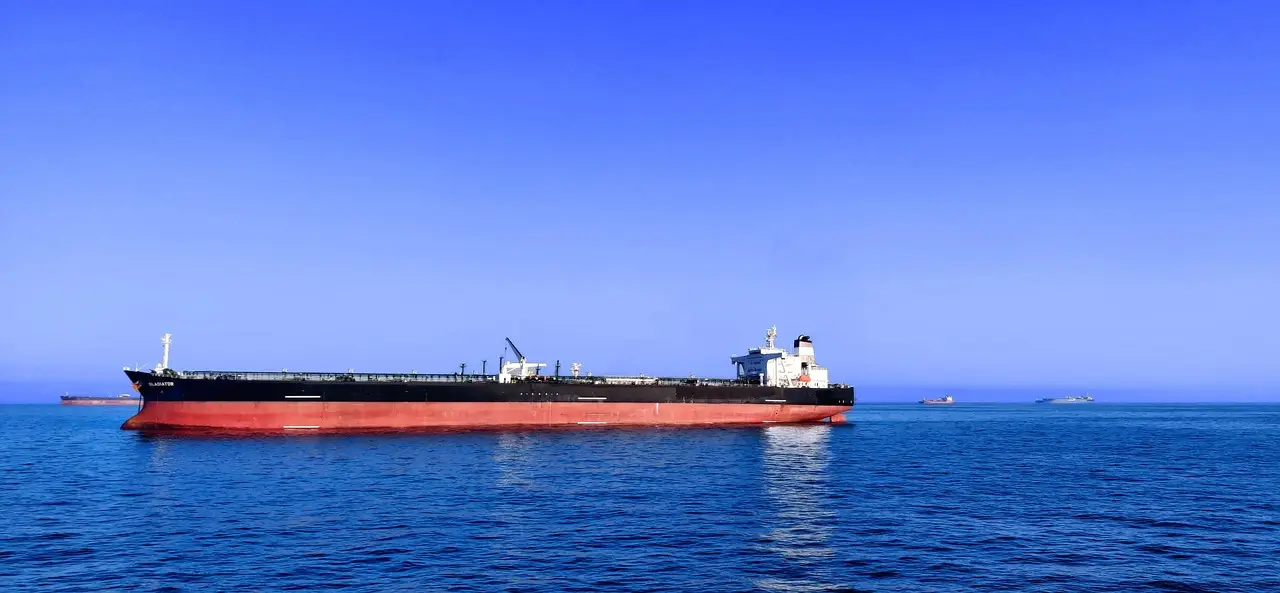
On Nov. 12, Oman’s National Emergency Management Committee reviewed the response to an oil tanker that ran aground off Al Qibliyah Island, including progress on operations to handle its cargo. Oman did not identify the tanker or say how or when it ran aground.
The meeting covered emergency incidents in territorial waters off Oman’s Musandam Governorate and monitored environmental pollution. Oman did not report a spill linked to the Al Qibliyah grounding.
Musandam Governorate overlooks the Strait of Hormuz, putting the reported incidents inside the waterway already central to Gulf shipping risk. Oman said in August that it was "tackling an oil leak near the Hallaniyat Islands," which include Al Qibliyah, after an attack left the oil tanker Caroline Bezengi leaking off Oman’s coast.
The UAE sequence came later. Authorities there closed beaches after an oil spill from a tanker damaged in a suspected attack in the Gulf last month, then reopened them Thursday, Nov. 12. Oman gave no indication that beaches or ports were closed because of the Al Qibliyah grounding.
What does this change for shippers, carriers and forwarders?
The practical distinction is between a vessel-specific response and a Strait-wide disruption. Oman described work to handle the grounded vessel’s cargo, but the information reviewed showed no suspension of shipping through Hormuz, no movement restriction and no published capacity change. It also disclosed no cargo tonnage, tanker rate or sailing schedule.
- Shippers: The immediate question is cargo continuity: whether the grounded vessel’s cargo can be handled safely and whether pollution response delays departure. The report offers no cargo volume, owner, loading point or discharge destination, so it cannot size the supply effect.
- Carriers: The issue is schedule integrity. A delay in cargo work would push the vessel’s next movement, but Oman reported no Strait-wide traffic rule, port closure or capacity reduction. Carriers therefore face an operation to monitor, not a confirmed network-wide withdrawal of tonnage.
- Forwarders: The unnamed vessel prevents mapping the case to a specific voyage, charter or cargo flow. Their watchlist is concrete: pollution findings, cargo-operation progress, and any policy change attached to the Washington-Tehran negotiations on Hormuz shipping.
That leaves a narrow, practical answer. The grounding creates a vessel-level monitoring task; it does not, on the evidence available, remove tankers or cargo from the Strait.
The Hormuz traffic factor
Before the war, the Strait of Hormuz carried nearly one-fifth of the world’s crude. Attacks on tankers have caused oil spills that threaten UAE and Omani coasts, according to the source. Those incidents underscore the environmental risks surrounding what the source described as the US-Israeli war on Iran, which has lasted nearly nine months, disrupted global energy supplies and caused an economic crisis.
Shipping through Hormuz remains a sticking point in negotiations between Washington and Tehran aimed at ending that conflict. For carriers, the commercial risk therefore sits in two places: response work around the grounded tanker and the policy status of a route carrying such a large crude share.
No rate move, traffic reduction or capacity figure accompanied either point in the information reviewed. That absence matters: operators cannot price a confirmed network change from the grounding alone.
The distinction is operational. A grounding can create vessel-level delay without reducing Strait-wide capacity. Conversely, an agreement on shipping would bear on operating conditions for every tanker, not just Caroline Bezengi or the unidentified vessel at Al Qibliyah.
The next operational and policy signals
Three operational facts would sharpen the commercial picture: the tanker’s identity, the cause and timing of the grounding, and Oman’s pollution-monitoring results. Cargo-operation progress would show whether the incident stays within one vessel’s timetable or develops into wider port and sailing disruption. None was available on Nov. 12.
Policy then becomes the larger variable. Progress in Washington-Tehran negotiations over shipping through Hormuz would bear on tanker availability and the global energy supply the strait handles; continued deadlock leaves the route exposed to attacks, spills and uncertainty.
For freight planners, the next signal is Oman’s operational findings alongside any Hormuz provision in the talks; until then, neither a rate move nor a capacity reduction can be quantified.
Original: reuters.com
More from Tom Whitfield
Show full bio
Market editor covering companies, deals and strategy in Ocean and air freight, container shipping at Waybill Wire.
838 articles
Related05
Two vessels sink off Oman as attacks hit UAE-linked ships near Hormuz
Oil Spill From Struck Tanker Widens Off UAE, Closing Beaches
UAE Closes All Ras Al Khaimah Beaches as Oil Spill Spreads
Qatar Restarts LNG Exorts With Dark Shuttle Runs Through Hormuz
UAE Coast Guard Rescues 22 Crew From Burning Oil Tanker in Gulf