WW/WIRE
NorthPort Takes Delivery of Four Hybrid RTG Cranes in Manila
Four Mitsui E&S hybrid RTG cranes arrive at NorthPort in Manila, cutting emissions up to 58.7% per unit as ICTSI's domestic terminal presses ahead with works at Piers 14 and 16.
- By
- Elena Vasquez
- Filed
- Length
- 591 words
- Read
- 3 min
Key points04
- NorthPort has taken delivery of four hybrid RTG cranes built by Mitsui E&S.
- Each hybrid crane reduces average annual carbon emissions by up to 58.7% versus conventional RTGs.
- NorthPort is ICTSI's domestic cargo terminal and the Philippines' primary domestic cargo gateway at the Port of Manila.
- Wharf strengthening at Pier 14 and civil works at Pier 16 are on track for completion by end-2027.
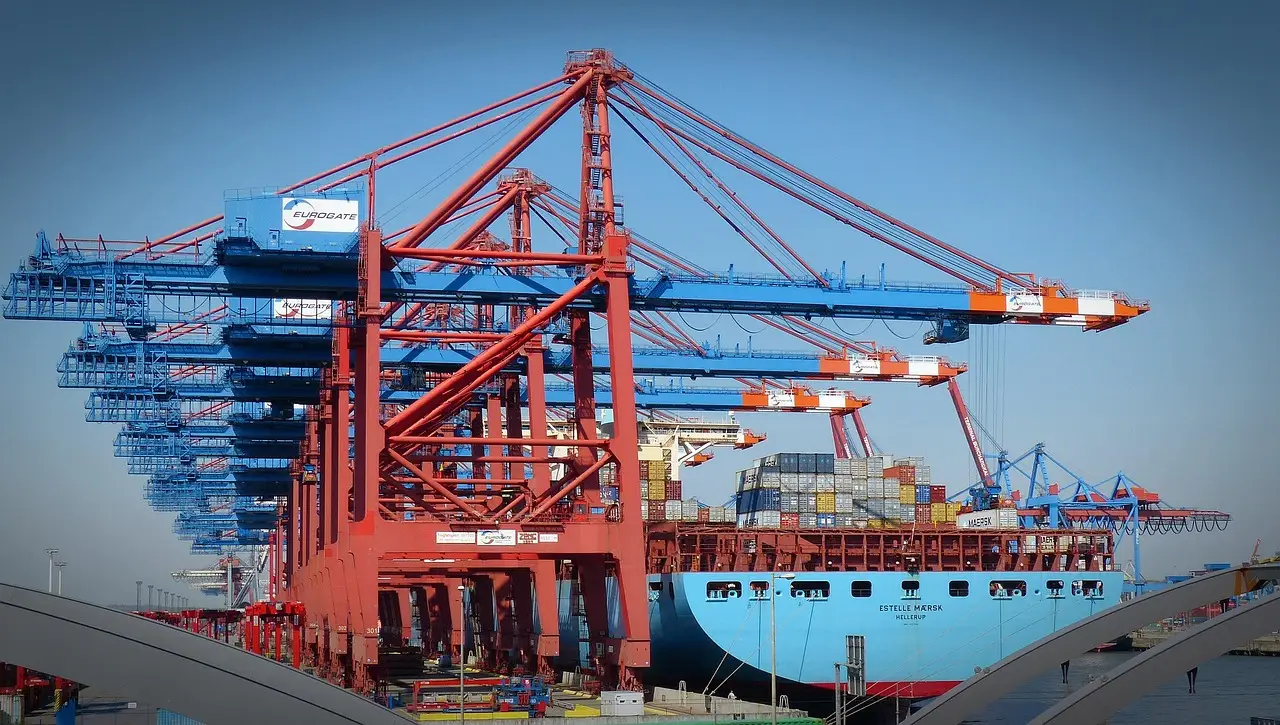
Four hybrid rubber-tyred gantry cranes have arrived at NorthPort in Manila, each capable of cutting average annual carbon emissions by up to 58.7% compared with conventional RTG units. The delivery marks the latest step in a modernisation drive at the Philippines' primary gateway for domestic cargo.
Mitsui E&S manufactured the new equipment, which pairs large battery energy storage systems with smaller diesel engines. The configuration reduces both fuel consumption and emissions per box moved, a trade-off that matters commercially as cargo volumes through the terminal continue to grow.
NorthPort is International Container Terminal Services, Inc.'s domestic cargo terminal at the Port of Manila. For domestic shippers and forwarders routing cargo through the capital, the cranes are designed to raise cargo-handling capacity and lift service reliability — two variables that directly affect berth turnaround and dwell times.
What does the equipment change?
The hybrid drivetrain is the headline technical feature. Large battery storage carries the crane through lifting cycles, while the downsized diesel engine handles charging and support duties. That architecture delivers the estimated 58.7% reduction in average annual carbon emissions per unit, according to the terminal.
The four cranes join an existing fleet serving NorthPort's domestic operations. Terminal operator ICTSI frames the investment as part of a wider programme with three stated aims: accommodating growing cargo volumes, improving service levels, and preparing the terminal for future expansion.
For carriers feeding Manila's domestic trades, added handling capacity and newer equipment typically translate into more predictable discharge and loading windows. For the terminal itself, hybrid units lower operating exposure to fuel-price swings over the cranes' service life.
What happens at Pier 14 and Pier 16?
Hardware is only half of the programme. NorthPort is also progressing structural improvements across two berths:
- Pier 14: wharf strengthening works intended to extend the infrastructure's ability to handle heavier loads and more intensive operations.
- Pier 16: civil engineering works aimed at upgrading the terminal's physical foundations.
The terminal says the combined infrastructure programme targets improved resilience — safer, more reliable operations as handling requirements climb. Completion is on track for the end of 2027, giving the terminal roughly a two-and-a-half-year runway to bring the works online alongside its equipment renewal.
Why the sequencing matters
The crane delivery and the pier works are running in parallel rather than in series. New equipment arriving before the structural works finish suggests NorthPort intends to lift handling capability in stages, capturing capacity gains from the cranes while the civil programme matures.
For a terminal that anchors domestic cargo flows in the Philippines — where inter-island shipping depends heavily on Manila as a hub — incremental capacity additions accumulate quickly. Each percentage point of efficiency at the gateway terminal ripples outward into feeder schedules and inland connections.
The emissions angle carries weight beyond compliance optics. As carriers and cargo owners across Asia face tightening carbon reporting requirements, terminals that can document materially lower emissions per move strengthen their position in supply chains where sustainability data increasingly shapes procurement decisions.
NorthPort's hybrid RTG fleet gives ICTSI a concrete data point for that conversation: up to 58.7% lower annual emissions per crane, verified against the conventional units they replace.
Looking ahead, the terminal's stated priorities — volume growth, service levels and expansion readiness — will be tested as the 2027 infrastructure deadline approaches. If the pier works land on schedule, NorthPort will enter 2028 with modernised equipment, strengthened berths and headroom for the domestic cargo growth its investment programme anticipates.
Source: portstrategy.com
More from Elena Vasquez
Show full bio
News editor covering people, launches and day-to-day practice in Ocean and air freight, container shipping at Waybill Wire.
770 articles
Related05
Empty Container Pile-up Sparks Manila Port Truckers' Strike
Hai An Puts $70m Into Electric Container Ship Newbuildings
Consumer groups warn Manila port holiday would hit supply chains
DP World puts 55 electric yard tractors to work at Busan
Contships commits to ten feeder newbuildings, options could double the order