WW/OCEANFREIG
Hai An Puts $70m Into Electric Container Ship Newbuildings
Hai An Transport and Stevedoring is investing $70m in electric container ship newbuildings, a major green-fleet bet by the Vietnamese intra-Asia carrier.
- Desk
- Ocean Freight
- By
- James Calloway
- Filed
- Length
- 407 words
- Read
- 2 min
Key points03
- Hai An is investing $70m in electric container ship newbuildings.
- The order marks a major green-fleet commitment by the Vietnamese intra-Asia carrier.
- Electric propulsion is gaining traction on short-sea and feeder routes, matching Hai An's intra-Asia network.
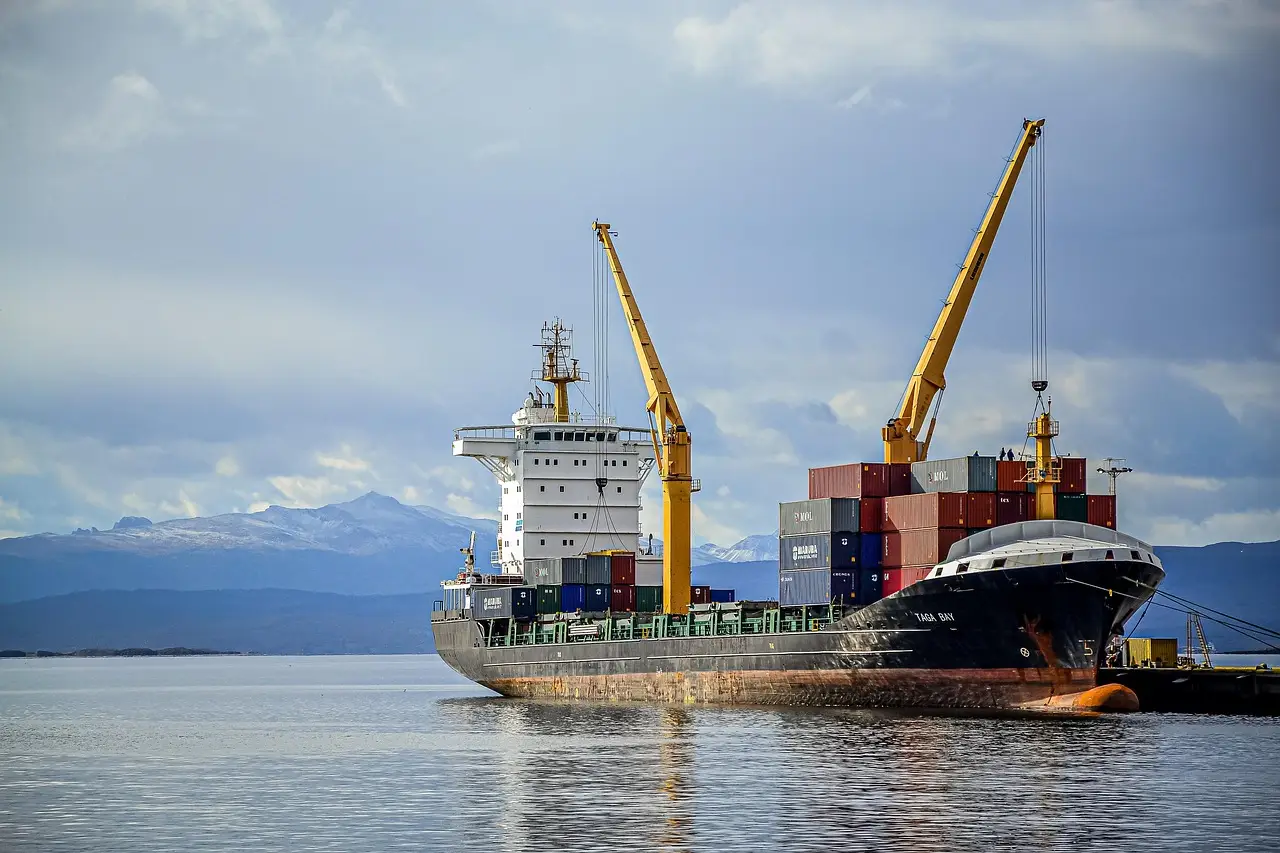
Vietnamese container line Hai An Transport and Stevedoring is spending $70m on electric container ship newbuildings, according to TradeWinds News — one of the larger green-fleet commitments by a regional intra-Asia operator to date.
The $70m outlay lands Hai An in a small but fast-growing club of mid-size carriers ordering battery-driven tonnage rather than merely retro-fitting scrubbers or buying dual-fuel LNG ships. For a carrier of Hai An's scale — an intra-Asia operator serving Vietnam's export corridors — a commitment of this size signals a fleet renewal measured in multiple vessels, not a single demonstrator.
Why does a $70m order matter?
Electric propulsion newbuildings remain rare in container shipping. The technology is being tested mostly on short-sea and feeder routes, where battery weight and charging infrastructure are manageable. Intra-Asia fits that profile: port calls are frequent, legs are short, and regulators in the region are tightening emissions rules at berth.
The commercial logic for shippers and forwarders is straightforward. Carriers that cut emissions per TEU can serve cargo owners with Scope 3 targets, and several global shippers now award business partly on emissions performance. A Vietnamese carrier investing in electric tonnage positions itself for that procurement shift on lanes connecting Vietnamese manufacturing to regional hubs.
For Hai An itself, the order is a hedge. Fuel costs and carbon pricing are the two biggest variables in intra-Asia operating economics. Battery-driven ships trade some of that exposure for predictable energy costs at the charging point.
What it means for the intra-Asia market
Vietnam's container exports have grown steadily as manufacturing shifts out of China, and carriers serving Vietnamese ports — Hai An among them — have invested in new tonnage to hold slot share. A $70m newbuilding program adds capacity at a moment when regional operators face competition from the big alliances' feeder networks.
The order also keeps pressure on shipyards. Chinese and Vietnamese yards have quoted aggressively for green newbuildings, and electric designs are moving from niche to orderbook mainstream on short-sea routes.
The road ahead
Expect more announcements of this size. Battery costs keep falling, charging infrastructure is expanding at major Asian ports, and IMO emissions targets push every operator toward concrete fleet decisions. Hai An's $70m commitment suggests the economics now clear the bar for regional carriers — and rivals on the intra-Asia lanes will have to answer with orders of their own.
Source: Google News: container shipping
More from James Calloway
Show full bio
Correspondent covering companies, deals and strategy in Ocean and air freight, container shipping at Waybill Wire.
573 articles