WW/OCEANFREIG
Nigeria Launches First Domestic Container Shipping Line
Nigeria has launched its first domestic container shipping line, ending decades of total reliance on foreign carriers. What changes for shippers? Very little yet — the real test is the first published service.
- Desk
- Ocean Freight
- By
- Amara Osei
- Filed
- Length
- 423 words
- Read
- 2 min
Key points04
- Nigeria has started its first domestic container shipping line, per The Maritime Executive.
- For decades, all container moves on Nigerian waters relied on foreign carriers.
- No fleet size, tonnage or trade lanes have been disclosed yet.
- Existing operators at Lagos ports face no immediate competitive pressure from the new line.
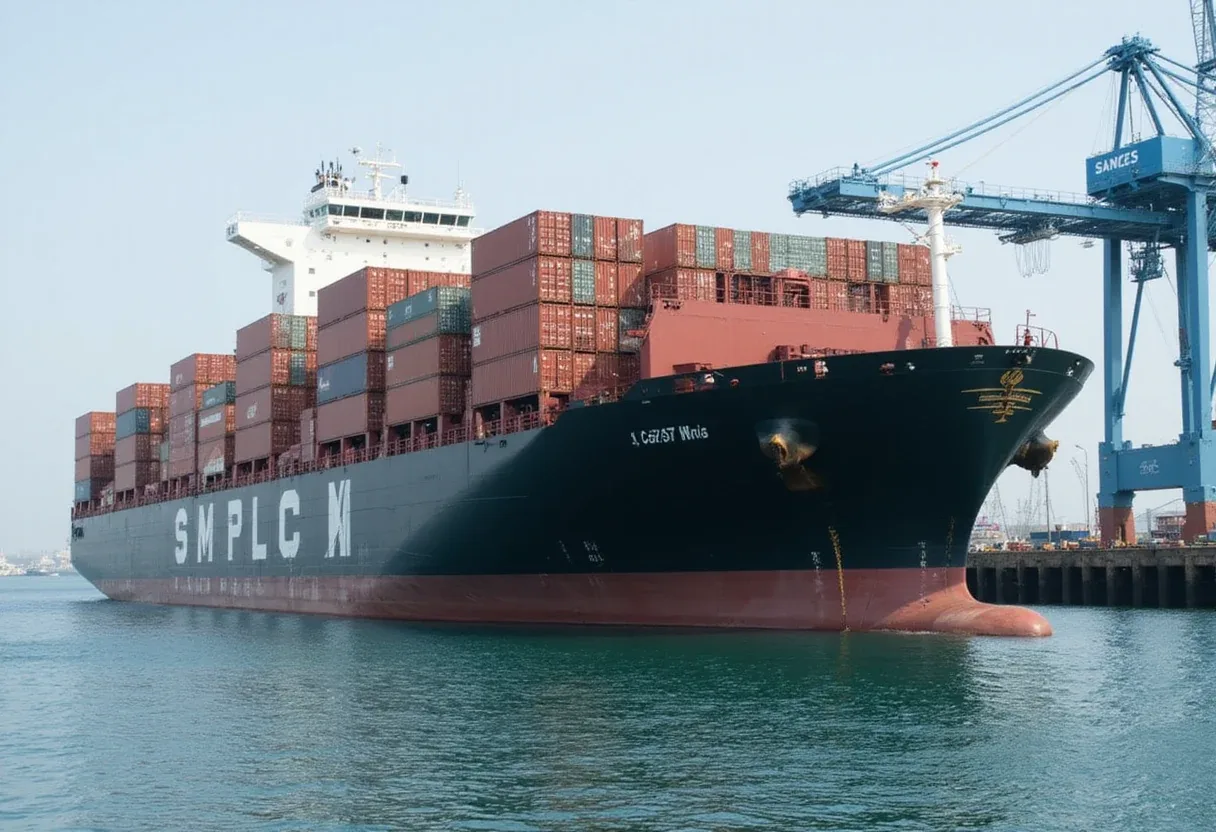
Nigeria has started its first domestic container shipping line. That single sentence carries more weight than it looks, because for decades every container moved along the country's coast and into its ports did so on somebody else's hull.
The Maritime Executive reported the launch this week. Details on tonnage, fleet size and initial trade lanes remain thin, which is itself telling — this is a debut, not a rollout with a published schedule and tariff sheet.
Still, the direction matters. A national container carrier is the kind of asset Nigeria's shippers have asked for whenever foreign-line rates spike and space tightens. Now one exists on paper, if not yet at scale.
What does this change for Nigerian shippers?
In the short term, very little. A first-day carrier with no published services can't relieve rate pressure on the import lanes that dominate Nigerian trade. Shippers booking through Apapa and Tin Can Island will keep facing the same foreign-carrier pricing they always have.
The medium term is where the bet lives. A domestic operator, once it has vessels and slots, could offer Nigerian importers and exporters a fallback when global alliances squeeze West African capacity. It could also give local forwarders a counterparty that answers to Abuja, not to a headquarters in Copenhagen or Marseille.
There's cabotage logic here too. Nigeria has long pushed for local participation in its maritime economy, and a container line is the most visible proof of intent a government can point to. Whether it becomes a commercial operator or a flag-waving exercise depends entirely on execution — vessels, financing, and schedules.
Why now?
The launch lands amid broader pressure on West African logistics. Congestion at Lagos-area ports has been a chronic tax on Nigerian supply chains, and any capacity under local control at least offers the possibility of scheduling built around Nigerian cargo flows rather than global network priorities.
For carriers already serving Nigeria, a state-backed or nationally flagged competitor is more nuisance than threat at this stage. Established operators bring fleets measured in hundreds of ships. A first domestic line brings intent.
The honest read: this is a foundation stone, not a market event. If the line fields vessels, publishes schedules and holds rates through a peak season, it earns a place in shippers' routing conversations. Until then, it earns headlines.
The next milestone to watch is concrete: the first named vessel, the first published service, the first rate. Any of those would turn a press release into a carrier.
Source: Google News: container shipping
More from Amara Osei
Show full bio
Staff writer covering regulation, policy and their impact on Ocean and air freight, container shipping at Waybill Wire.
509 articles
Related05
African Air Cargo Demand Grows 3% as Capacity Surges 14%
West Africa ports log 19.4% box surge they can't handle
DP World to Build $7bn Deep-Sea Port and SEZ in Ogun State, Nigeria
Ghana transport minister: only continuous port investment will ease congestion
DP World targets Nigeria with $7bn deep-sea port plan