WW/TRADEPOLIC
New Jersey warns ports against handling Russian diesel cargo
New Jersey told port operators to reject Russian diesel as a tanker carrying about 40,000 metric tons remained at sea with its U.S. discharge port unconfirmed.
- Desk
- Trade & Tariffs
- By
- Marcus Bennett
- Filed
- Length
- 795 words
- Read
- 4 min
Key points05
- Agioi Fanendes loaded approximately 40,000 metric tons of diesel at Primorsk on October 22.
- OFAC issued General License 135 on October 9, authorizing Russian-origin diesel transactions through April 7, 2027.
- Congress passed the Ending Importation of Russian Oil Act in April 2022, banning Russian oil and petroleum products including diesel.
- Windward’s November 3 assessment found no Russian diesel delivered under the license and only one of three reported tankers still on course for the U.S. East Coast.
- Potential federal customs penalties equal the cargo value and could amount to millions of dollars.
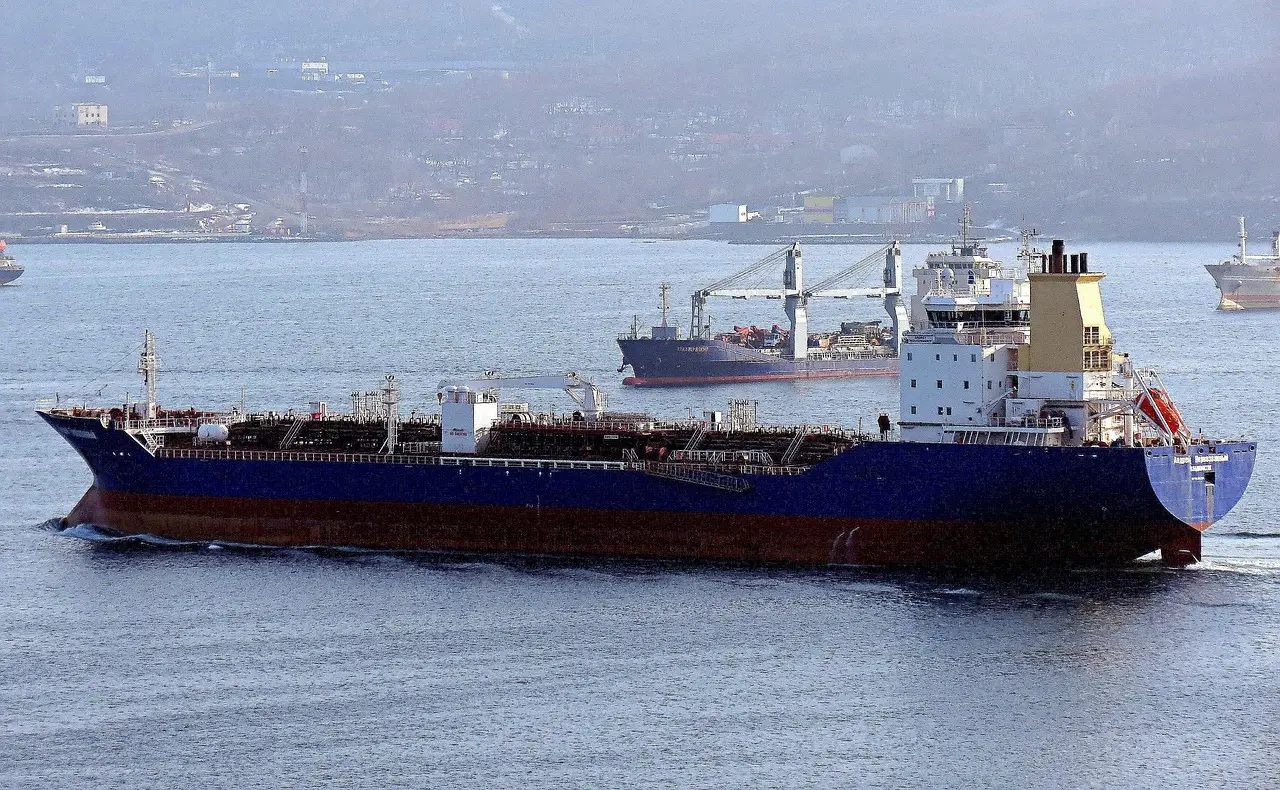
About 40,000 metric tons of Russian diesel was aboard the Malta-flagged product tanker Agioi Fanendes, which loaded at Russia’s Baltic port of Primorsk on October 22 and appeared to remain on course for the U.S. East Coast.
Its AIS destination had changed to “for orders,” leaving the discharge port uncertain and an initial November 7 arrival at New York unconfirmed.
New Jersey Governor Mikie Sherrill has put port and terminal operators, intermediaries and buyers on notice over the cargo. In a Monday letter, she urged them to reject tankers carrying Russian fuel and pledged to use the state’s legal and regulatory powers to prevent unloading at New Jersey terminals.
“Every port and terminal operator, intermediary, and buyer is on notice: do not help bring illegal Russian diesel into New Jersey,” Sherrill said.
What does General License 135 authorize?
Treasury’s Office of Foreign Assets Control issued General License 135 on October 9, authorizing transactions involving the sale, delivery, offloading and importation of Russian-origin diesel through April 7, 2027. The Trump administration made the move last month to ease soaring fuel prices, according to the governor’s account.
Sherrill disputes that the executive branch can take that step. She argues the Ending Importation of Russian Oil Act, passed by Congress in April 2022 after Russia invaded Ukraine, bars Russian oil and petroleum products including diesel. The law, she says, does not permit the president or Treasury to lift the ban without congressional approval.
She also argues GL 135 should have completed a congressional review process before taking effect. Treasury has maintained that the authorization complies with applicable law. The letter therefore does not settle the central question: which side’s reading governs if an operator accepts the cargo?
What does the warning mean commercially?
Companies that join an allegedly unlawful importation could face federal customs penalties equal to the cargo’s value, a liability Sherrill says could run into millions of dollars. No cargo value appears in her letter, and no court ruling invalidating GL 135 has been cited, so the penalty warning remains a legal exposure scenario rather than an assessed fine.
For shipowners, charterers and terminal operators, the dispute adds destination and compliance risk to the voyage. A New Jersey berth could trigger state intervention, while an intermediary or buyer could also face scrutiny over handling a shipment the governor calls illegal.
The commercial uncertainty is sharper because the tanker first named New York, not New Jersey. Its switch to “for orders” preserves several routing possibilities. No revised discharge port or contracted New Jersey terminal has been identified.
Who is still heading for the United States?
Maritime intelligence firm Windward’s November 3 assessment said Agioi Fanendes appeared to be the only one of three Russian diesel tankers previously reported as bound for the United States that remained on course toward the U.S. East Coast. Talisman and Leruo had changed their declared destinations, which Windward said suggested their plans may have changed.
Windward also reported that no Russian diesel cargo had yet been delivered to the United States under the new authorization. That distinction matters: as of November 3, this was a regulatory and maritime dispute in transit, not completed import volume.
Senator Richard Blumenthal (D-CT) had called on the owner of Agioi Fanendes to turn the tanker around in the prior week. He argues the federal license cannot override the 2022 import ban, aligning his position with Sherrill rather than Treasury.
Why is New Jersey opposing the cargo?
Sherrill, a former Navy helicopter pilot, said New Jersey would not allow its ports to help finance Russian activities. Her letter linked the purchases to Russia’s continuing war against Ukraine and its support for Iran, where U.S. forces remain engaged in hostilities.
The letter is therefore a warning, not a judicial ruling. Operators face a federal authorization backed by Treasury and a state threat against unloading within New Jersey, with neither legal position settled by a cited court decision.
Will the tanker discharge in New Jersey?
It remains unclear whether Agioi Fanendes will try to discharge at a New Jersey terminal. Its “for orders” AIS status gives buyers and ports no confirmed discharge date, while Sherrill’s letter gives New Jersey regulators a basis to challenge an attempted landing.
A New Jersey berth would put GL 135 and state enforcement directly in conflict; a diversion elsewhere would remove the immediate risk of a New Jersey discharge but leave the federal and political challenge intact.
Legal and political pressure is already increasing around the vessel. With no cargo delivered under GL 135 by November 3 and the license running to April 7, 2027, the tanker’s next routing decision is the nearer commercial and legal test.
Original: nj.gov
More from Marcus Bennett
Show full bio
Senior reporter covering regulation, policy and their impact on Ocean and air freight, container shipping at Waybill Wire.
753 articles
Related05
Senator Demands Russian Diesel Tanker Reverse Course as Legal Fight Escalates
300,000 Tons of Russian Diesel Draw U.S. Congressional Scrutiny
40,000 Tons of Russian Diesel Headed for New York
U.S. Greenlights Up to 4.8M Tons of Russian Diesel Through April 2027
Russian Diesel Returns to US Ports as 109,000-Barrel Cargo Nears Norfolk