WW/MARKETANAL
MOL lifts outlook to JPY345bn after container profit beats plan by 66%
MOL raised its full-year pre-tax profit forecast to JPY345bn after container earnings ran 66% ahead of plan and tanker rates remained firm in the first half.
- Desk
- Rates & Markets
- By
- Elena Vasquez
- Filed
- Length
- 649 words
- Read
- 3 min
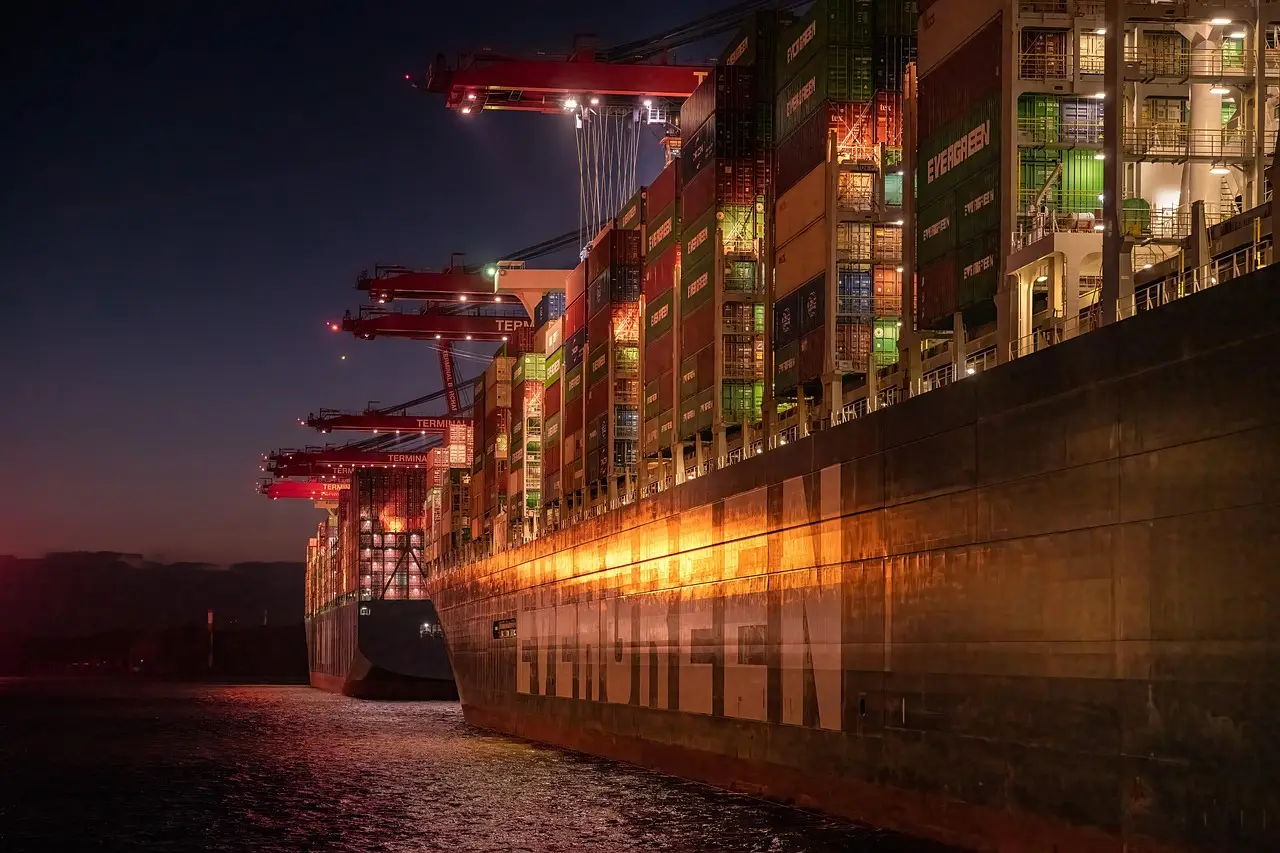
Mitsui OSK Lines (MOL) raised its full-year pre-tax profit forecast to JPY345bn from JPY145bn after posting JPY179.2bn ($1.13bn) in first-half 2026 net profit. The revision more than doubled the JPY145bn target, while first-half earnings exceeded MOL’s own forecast by more than 30%.
What drove the profit upgrade?
MOL’s containership business generated a first-half profit of JPY73.4bn, 66% ahead of forecast and the main driver of the group upgrade. Results improved across the group, except for a JPY0.9bn shortfall in the Chemical Logistics Business.
MOL said rates for containerships, crude oil tankers and LPG carriers remained firm and stronger than expected. For crude tankers and LPG carriers, tonne-mile demand rose as Middle Eastern cargoes declined and buyers increased alternative sourcing, a pattern the company expects to continue for the rest of its financial year.
Why did tanker earnings strengthen?
“The [tanker] vessel supply-demand balance tightened due to an increase in transshipment transport of Middle Eastern crude oil outside the Persian Gulf. As a result, market conditions remained significantly above the level of the previous fiscal year,” MOL said.
Average crude oil tanker spot earnings moved as follows:
- First quarter, April-June: $145,000 per day.
- Second quarter, July-September: $281,000 per day, nearly twice the first-quarter level.
- Third quarter forecast: $237,000 per day.
- Fourth quarter forecast: $300,000 per day, more than double the first-quarter average.
The quarterly sequence matters for procurement: MOL’s guidance points to a third-quarter easing from $281,000 to $237,000 per day, followed by a fourth-quarter rise to $300,000. Freight buyers using spot benchmarks therefore face a quarterly dip within an elevated rate environment, rather than a uniform peak across the year.
For shippers buying on the spot market, the near-doubling from $145,000 to $281,000 per day raises voyage-cost exposure. Carriers gain stronger spot earnings per vessel day, while forwarders face pressure to pass volatile benchmarks through to customers.
MOL expects the tanker supply-demand balance to remain tight as cargo loaded in the United States and South America continues traveling longer routes as an alternative to Middle Eastern crude oil. The company also expects transshipment of Middle Eastern crude outside the Persian Gulf to persist amid uncertainty in the Middle East.
What is supporting container rates?
Cargo demand and constrained vessel supply drove container strength, alongside congestion, geopolitical issues and weather conditions. Spot rates stayed elevated on Asia-to-North America routes, with congestion at major Asian ports providing support, MOL said. The company described the factors determining supply and demand as increasingly complex.
“Although the vessel supply-demand balance temporarily eased in June, it tightened again from July onward, against the backdrop of increased vessel congestion at Chinese ports due to typhoons and other factors, and market conditions remained at high levels,” MOL said.
For shippers on Asia-to-North America lanes, elevated spot rates raise the cost of buying uncovered capacity. Congestion supports carrier pricing power but reduces schedule reliability, while forwarders must manage delayed calls at Japanese ports.
MOL expects handling volumes at those ports to remain sluggish because of vessel delays. The company nevertheless projects elevated containership profits despite higher fuel costs.
What did MOL add to its fleet?
MOL and its joint ventures took delivery of seven vessels, the company said. The accompanying list named five LNG carriers for the Energy business, a handysize dry bulk carrier, one car carrier and a cruise ship.
MOL plans a stock split on January 1, 2027, replacing each common share with three shares to make its equity more accessible to investors. Over the next two quarters, the test will be whether constrained vessel supply and port congestion can sustain container and tanker rates, with higher fuel costs and uncertain Middle East cargo flows setting the commercial risk.
Source: seatrade-maritime.com
More from Elena Vasquez
Show full bio
News editor covering people, launches and day-to-day practice in Ocean and air freight, container shipping at Waybill Wire.
778 articles
Related05
Tanker Owners Bank $400m a Day Above Budget as VLCC Rates Break $1.3m
LX International Logistics Profit Soars 151% on Container Rates
Cheniere Cargo Volumes Jump 15% as Iran War Reshapes LNG Trade Flows
Record tanker rates threaten seven-year low in U.S. crude Asia orders
Gulf Oil Flows Hit 81% of Pre-War Level on Saudi Rebound