WW/PORTSTERMI
Lula victory puts US$1.29bn STS 10 Santos tender in play
Lula’s 52% victory puts Maersk and MSC’s STS 10 bid at risk while Cosco and China Port Holdings gain a clearer path into Brazil’s US$1.29bn terminal tender.
- By
- Marcus Bennett
- Filed
- Length
- 654 words
- Read
- 3 min
Key points05
- The STS 10 Santos Container Terminal carries a reported US$1.29 billion valuation.
- Lula won close to 52% of Brazil’s presidential vote, while Flavio Bolsonaro received just over 48% after leading the first round.
- Lula begins his fourth term in January at age 81.
- Brazil’s Congress has 22 parties, including 10 considered right-wing and six independent.
- If Silvio Costa Filho stays at MPor, Maersk and MSC’s inclusion in the first STS 10 tender round will likely be rejected.
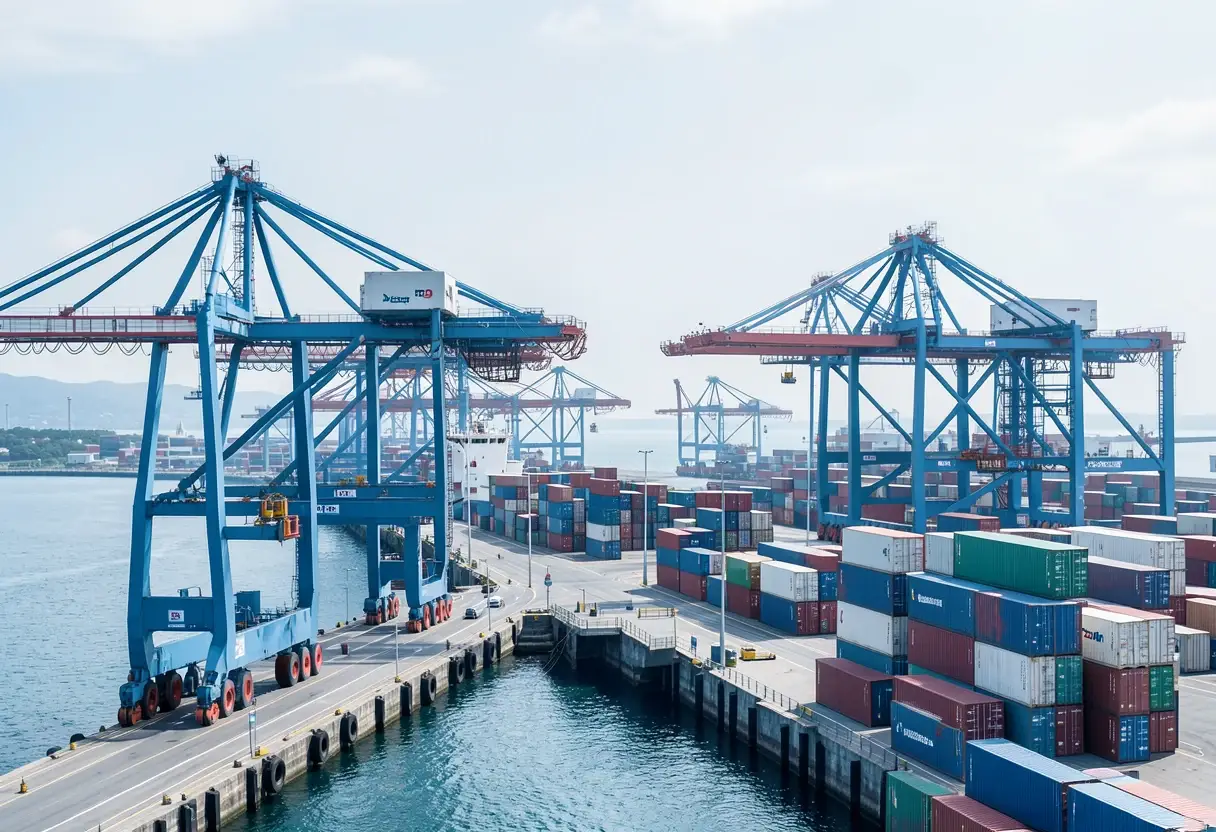
The STS 10 Santos Container Terminal carries a reported US$1.29 billion valuation. Maersk and MSC now face a less certain place in its first bidding round after Brazil’s president-elect Luiz Inácio Lula da Silva won close to 52% of the vote.
Flavio Bolsonaro, son of jailed former president Jair Bolsonaro, received just over 48% in the bitterly fought election. Lula had lost the first round, a turnaround not seen since democracy returned to South America’s largest country in 1988. He begins his fourth term in January at age 81, with a Congress dominated by right-wing parties.
A São Paulo-based shipping agent put the legislative risk plainly: “Lula has won but it will be difficult for him to get much of his legislation passed with so many senators and federal deputies of a right-wing persuasion.” The agent expects bargains with uncommitted legislators: “He will have to make deals with the non-committed and Lula is nothing if not pragmatic so we can expect a lot of horse trading.”
Who gains entry to the first tender round?
The immediate variable is the Ministry for Ports and Airports, known as MPor. Its current minister, Silvio Costa Filho, could leave the portfolio during January’s reshuffle when Lula takes power. If he remains in office, the assessment is that Maersk and MSC’s bid to enter the first round of the STS 10 mega-terminal tender will likely be rejected.
The political assessment says US President Trump backed Bolsonaro and had pressured Lula’s government to bar Cosco and CPH from bidding for STS 10. It also says Lula has a good relationship with Chinese President Xi Jinping, making it highly likely that Cosco and CPH will receive permission to bid.
That is a political forecast, not a tender decision. The available account provides no first-round bidding date or eligibility notice confirming Chinese participation. It also provides no STS 10 capacity, TEU, cargo-volume or pricing forecast, so neither carriers nor forwarders can use this analysis to model vessel demand, terminal costs or freight-rate effects.
Can a right-wing Congress still deliver?
Brazil’s Congress contains 22 parties, including 10 considered right-wing and six independent. Veteran Brasília observers expect many smaller parties without clearly defined policies to trade support for ministerial posts, including possibly MPor. That fragmentation gives Lula room to make deals, even as right-wing parties remain dominant.
São Paulo Governor Tarcisio de Freitas, a well-respected right-of-centre politician and former MPor minister under Jair Bolsonaro, has worked closely with MPor and the Santos Port Authority on the Santos Tunnel. The tunnel will connect the port’s right and left banks and transform operations. The project illustrates how pragmatic cooperation for the country as a whole can advance port infrastructure.
What does the tender change for shippers?
For Maersk and MSC, exclusion from the first round would delay their route to operating STS 10. For Cosco and CPH, admission would put them at the same bidding stage as Maersk and MSC. Both Chinese groups already operate a terminal in Paranaguá, in southern Brazil.
For shippers, a different operator mix could affect future terminal selection at Santos; for forwarders, the practical question is how that mix might shape competition for cargo. The available details do not quantify that effect.
The analysis offers no handling charges, berth productivity, TEU capacity or expected vessel-call figures for STS 10, and no shipping-rate movement linked to the tender. Any claim that the election itself will raise or lower rates at Santos would therefore run ahead of the evidence.
January brings the next policy checkpoint: the portfolio reshuffle will indicate whether Maersk and MSC stay excluded from the first STS 10 round, while Cosco and CPH’s eligibility will show whether Lula’s relationship with Xi Jinping translates into entry to the US$1.29 billion tender.
Source: portstrategy.com
More from Marcus Bennett
Show full bio
Senior reporter covering regulation, policy and their impact on Ocean and air freight, container shipping at Waybill Wire.
777 articles
Related05
Lufthansa Group picks up 49.9 percent stake in TAP Air Portugal
AD Ports Closes $835m CLI Deal, Its Largest Ever, Entering Brazil
US Blacklists Five Cuban Tankers in Widened Oil Shipping Crackdown
Brazil Reopens Container Demurrage Rules Review
Buenaventura's Muelle 13 nears restart as ANI settles $30m standoff