WW/OCEANFREIG
Iran Cleared LNG Carrier Al Mayeda Hours Before Hormuz Attack
Iran approved the Al Mayeda's passage hours before it was attacked near Hormuz. Qatar threatens measures under international law; Pakistan faces spot LNG at three times pre-war prices.
- Desk
- Ocean Freight
- By
- Amara Osei
- Filed
- Length
- 611 words
- Read
- 3 min
Key points04
- LNG carrier Al Mayeda was attacked near the Strait of Hormuz on Friday despite Iranian clearance secured hours earlier.
- All 25 crew members, including six Indian nationals, were safe; Nakilat says the vessel remains operational.
- Spot LNG prices are more than three times pre-war levels, Pakistan's fallback if the cargo is lost.
- LNG flows through Hormuz held steady in October at about 30% of pre-war levels.
Iranian authorities gave the green light for the LNG carrier Al Mayeda to transit toward the Strait of Hormuz just hours before the vessel came under fire on Friday, according to people with direct knowledge of the matter who asked not to be named.
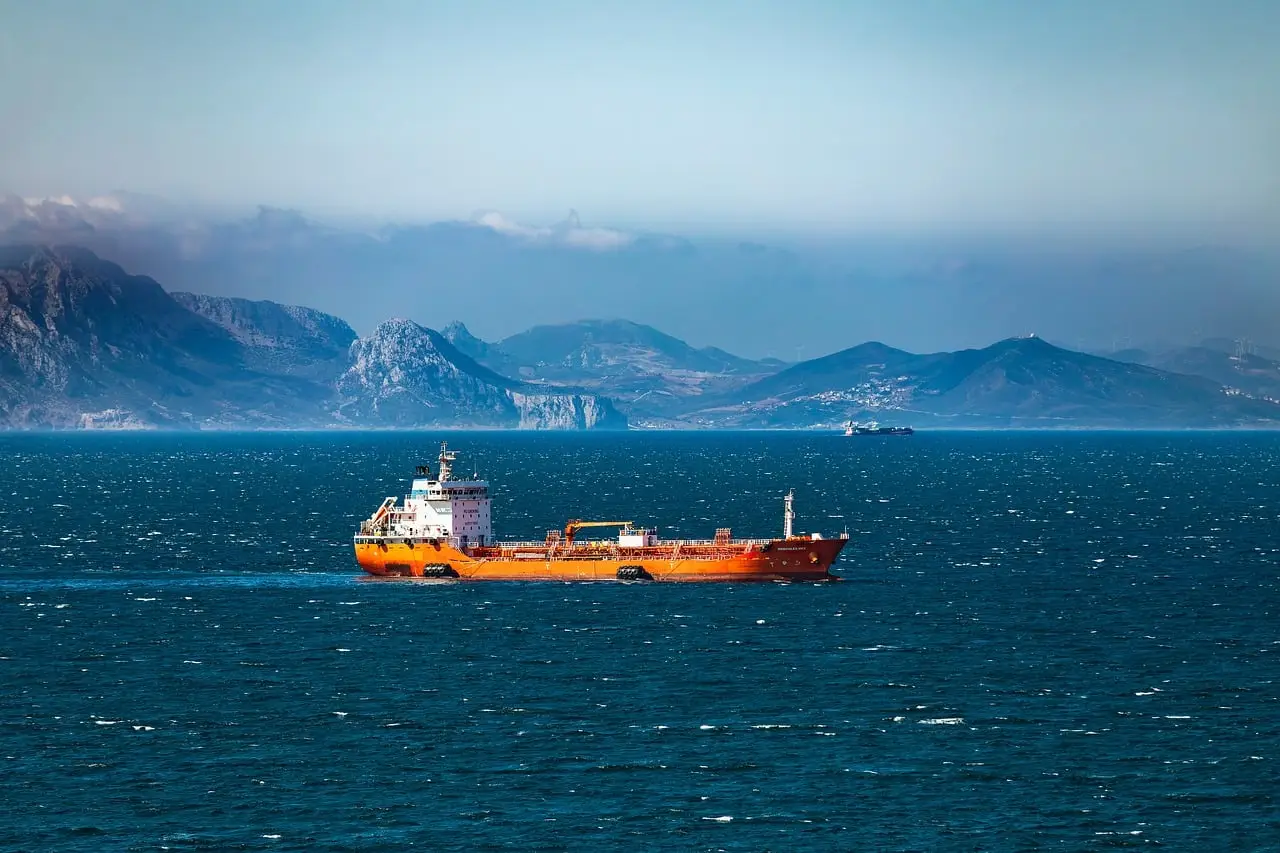
The Marshall Islands-flagged ship was sailing toward the waterway loaded with Qatari LNG when it was attacked. Ship-tracking data shows it turned around and headed back into the Persian Gulf rather than pressing on.
The irony is hard to miss. Pakistan had negotiated with Iran specifically to secure safe passage for this cargo. Tehran's approval, delivered hours before the incident, evidently counted for little once projectiles started flying.
What does the attack change for Qatar and the crew?
Qatar is treating the incident as serious. "Qatar reserves its right to take all necessary measures, in accordance with international law and the UN Charter, to protect its assets and safeguard its vessels and their crews," the Qatari Foreign Ministry said in a statement on Sunday. Authorities are investigating the incident and those responsible.
The crew survived intact. Indian Shipping Minister Sarbananda Sonowal wrote on X that the ship had been targeted in a projectile attack, confirming all 25 crew members — including six Indian nationals — were safe. He offered no further details.
Qatar Gas Transport Company, known as Nakilat, said on Sunday that the carrier remained operational and was being assessed. It's unclear why the tanker came under fire or whether it will still attempt to reach its destination.
Why Pakistan has the most to lose
Pakistan has spent a month quietly managing this exact risk. Drawing on its ties with Iran and its role as mediator, Islamabad has communicated with Iranian authorities over the safety of several other Qatari LNG shipments in the past month. All of those crossed successfully into the Gulf of Oman.
This one didn't. And the timing couldn't be worse for a country that has grappled for months with an energy shortfall driven by upheaval in the Middle East.
The commercial math is blunt. Without the LNG shipment, Pakistan could be forced into the spot market, where prices currently run more than three times pre-war levels. For a government already managing scarcity, that's not a rounding error — it's a budget problem with a fuse attached.
Pakistan's petroleum ministry, QatarEnergy and Iran's foreign ministry did not immediately respond to requests for comment.
How much LNG is actually moving through Hormuz?
Context matters here. LNG flows through the Strait of Hormuz held steady in October at roughly 30% of pre-war levels — meaning the waterway is carrying barely a third of what it once did, even on a good month.
Qatar has been sending LNG through consistently since September. It has even deployed older vessels on the route, a choice that helps reduce the additional insurance costs attached to risky voyages. Older ships, cheaper to insure, same cargo — a rational hedge when hulls face projectile risk.
That consistency now has an asterisk. An attack on a vessel that had explicit Iranian clearance suggests the assurances protecting these sailings are softer than shippers hoped.
For carriers, the lesson is that clearance letters don't stop munitions. For forwarders and energy buyers, it's that Gulf-adjacent LNG supply carries a risk premium that no diplomatic phone call fully removes. Expect insurance assessments for Hormuz transits to tighten further in the short term.
The investigation Qatar has launched will determine accountability, but the practical question — whether Pakistan's remaining Qatari cargoes keep crossing into the Gulf of Oman unharmed — will answer itself one voyage at a time.
Source: gCaptain
More from Amara Osei
Show full bio
Staff writer covering regulation, policy and their impact on Ocean and air freight, container shipping at Waybill Wire.
756 articles
Related05
LNG Carrier Attacked Near Hormuz Hours After Iran Cleared Passage
Hormuz Attacks Spread Deeper Into the Gulf as Tankers and LNG Carrier Struck
18 Attacks Since October 6: Hormuz Tanker Strikes Spread Into Gulf
Iran warns ships going dark in Hormuz will be treated as hostile
VLCC struck off UAE as tanker war spreads beyond Hormuz