WW/OCEANFREIG
Houthis Claim Ballistic Missile Strike on Ras Tanura, Saudi Arabia's Largest Refinery
Houthis claim a ballistic missile hit and fire at Ras Tanura, Saudi Arabia's 550,000 bpd flagship refinery and export terminal, as attacks on the kingdom escalate.
- Desk
- Ocean Freight
- By
- Tom Whitfield
- Filed
- Length
- 554 words
- Read
- 3 min
Key points05
- Houthis claimed a Tuesday ballistic missile strike on Ras Tanura, Saudi Arabia's largest refinery at 550,000 bpd
- Saudi Arabia contained a fire near Ras Tanura's terminal in the early hours, Bloomberg reported
- Nearly all Saudi oil exports load at two ports: Ras Tanura in the Gulf and Yanbu on the Red Sea
- The coalition said it intercepted two ballistic missiles fired toward Riyadh on Tuesday
- The escalation has shattered a 2022 UN-brokered truce between the coalition and the Houthis
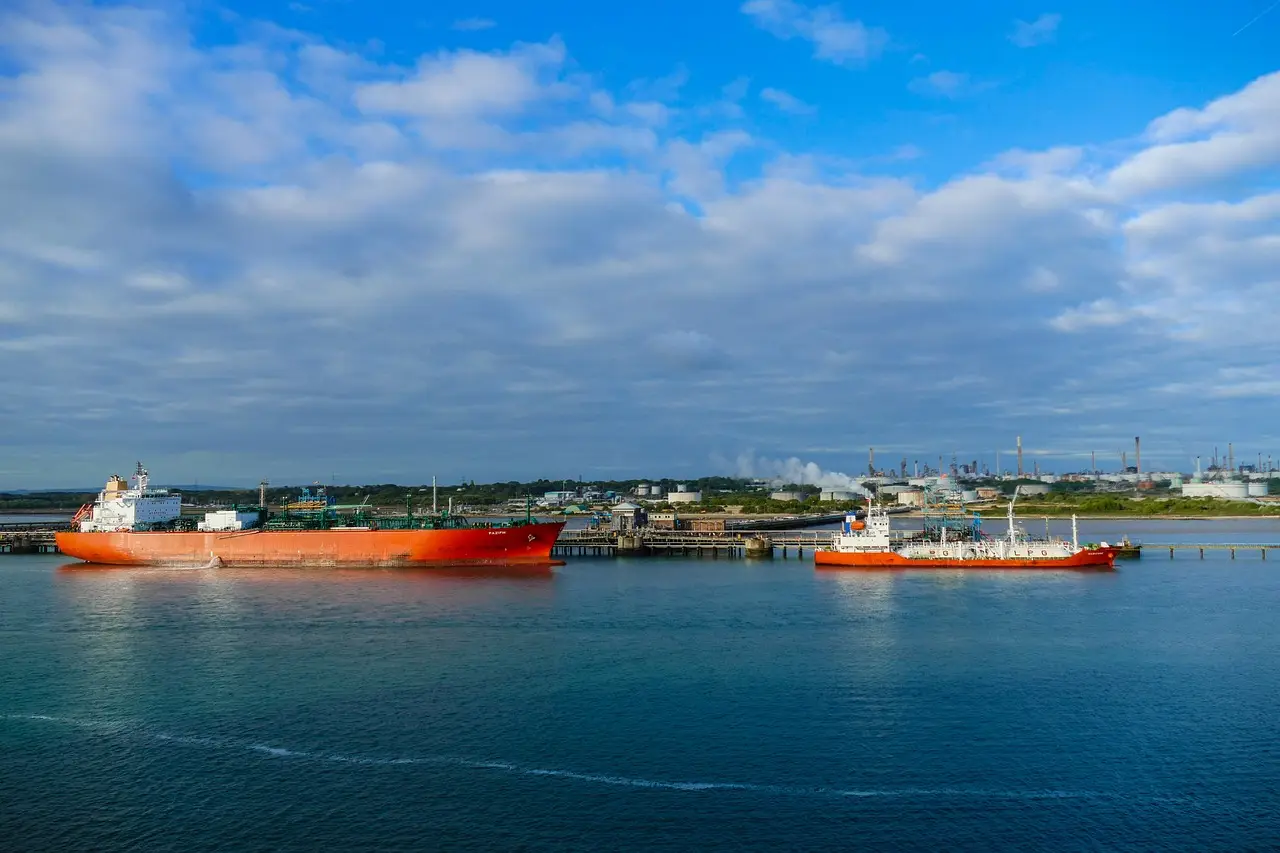
Yemen's Iran-aligned Houthis said on Tuesday they had struck Saudi Arabia's Ras Tanura oil refinery — the kingdom's largest, with a capacity of 550,000 barrels per day — with a ballistic missile, claiming the strike started a fire at the complex.
The group's military spokesperson, Yahya Saree, said the attack caused a fire at the facility, which also includes a shipping terminal on the Gulf coast, west of the Strait of Hormuz. Saudi authorities did not immediately confirm the strike. Bloomberg News, citing a person familiar with the matter, reported that Saudi Arabia had contained a fire near Ras Tanura's terminal in the early hours.
For tanker owners and oil traders, the target matters more than the claim. Nearly all of Saudi Arabia's crude exports load at just two ports: Ras Tanura on the Gulf and Yanbu on the Red Sea. The Houthis have attacked both in the past. A sustained hit on either chokepoint would tighten a shipping system that already carries the bulk of OPEC's spare capacity.
What does this change for Gulf shipping?
Ras Tanura has form as a risk asset. The refinery was shut for a period in the early months of the Iran war as a precautionary measure — a reminder that operators treat the complex as exposed, not hardened. Now the Houthis have escalated again.
Since September, the militia has intensified attacks on Saudi territory, opening another front in the wider US-Israeli war on Iran. Recent weeks have brought regular ballistic missile and drone launches at Saudi airports, ports and oil installations. On Tuesday afternoon, civil defence authorities briefly issued an air raid alert in Riyadh. The Saudi-led coalition, which backs Yemen's internationally recognised government, said it intercepted and destroyed two ballistic missiles fired toward the capital.
The fighting has shattered a 2022 UN-brokered truce between the coalition and the Houthis, who control the Yemeni capital Sanaa. That truce had bought a measure of predictability for Red Sea and Gulf operators. It's gone.
Who is moving to contain it?
Diplomacy is running behind the missile trail. On Monday, the Mecca defence pact countries — Saudi Arabia, Turkey and Pakistan — met Iranian officials in Tehran to try to de-escalate the wider Middle East conflict.
Egypt is edging toward the pact. Its parliament, which has said it is considering joining, on Monday authorised the Egyptian military to help defend Saudi Arabia if asked.
The mechanism behind the attacks
The Houthi attacks on Saudi Arabia are about more than Yemen. They let Iran turn the kingdom itself into a pressure point: each strike on Ras Tanura or Yanbu raises the risk premium on Saudi crude and the insurance bill on the tankers that carry it, without requiring a direct Iranian shot.
That calculus is what makes Tuesday's claim significant even before Saudi confirmation. A 550,000 bpd refinery sitting next to the kingdom's main Gulf export terminal is a single point of failure. The Houthis have now said, on the record, that they can reach it.
Watch whether Riyadh confirms damage at Ras Tanura, whether the Mecca pact talks in Tehran produce any de-escalation, and whether war-risk premiums on Gulf port calls move in response — the market's answer will come faster than the diplomatic one.
Original: reuters.com
More from Tom Whitfield
Show full bio
Market editor covering companies, deals and strategy in Ocean and air freight, container shipping at Waybill Wire.
702 articles
Related05
Nine Hormuz Attacks in a Week: Gulf Shipping Risk Repricing Starts Now
Supertankers Abandon Gulf Transfer Hub as Houthi War Escalates
Houthis Tell Shipping Firms to Clear Saudi Airports and Oil Sites
Tanker hit with casualties 51 nm off Qatar as Gulf war zone widens
Gulf crude exports rebound to 16.33m bpd as Hormuz flows recover