WW/OCEANFREIG
Hormuz shipping slumps after attacks on ADNOC vessel and tanker
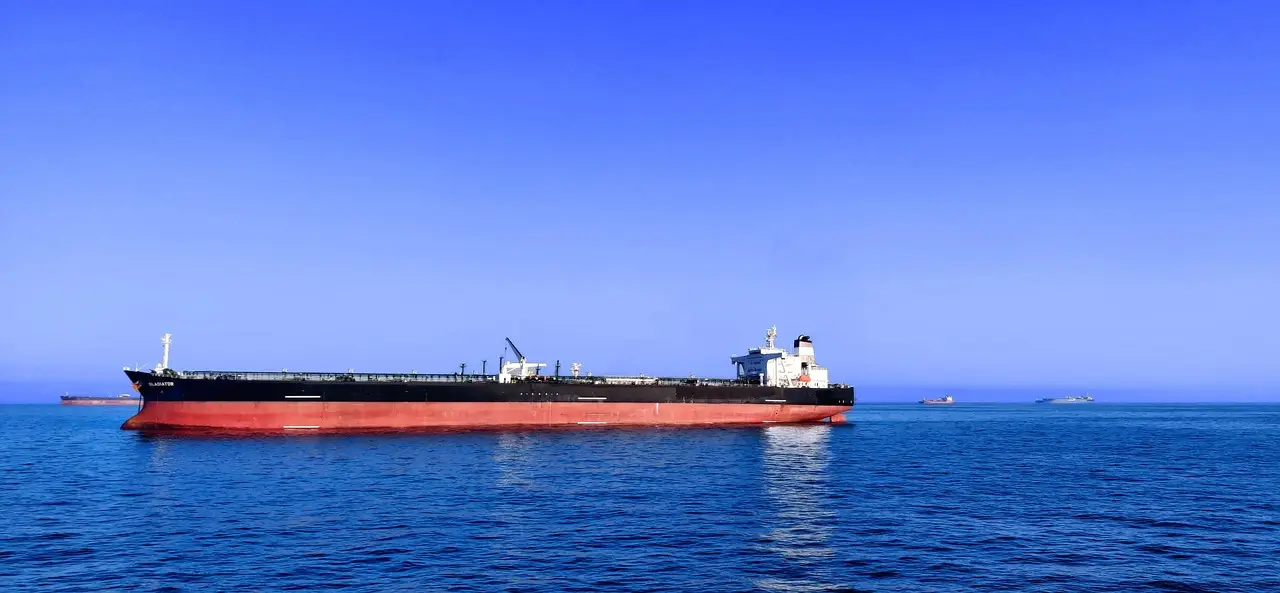
Traffic through Hormuz ran at single or low double digits a day, with 162 ships anchored near Fujairah and Khor Fakkan as fresh attacks hit an ADNOC vessel and tanker.
- Desk
- Ocean Freight
- By
- Amara Osei
- Filed
- Length
- 760 words
- Read
- 4 min
Key points05
- Nov. 10: An ADNOC Logistics & Services vessel sustained damage; its identity, damage extent and crew-injury status were undisclosed.
- Nov. 10, 1338 UTC: A tanker was struck 19 nautical miles northeast of Lima, Oman; its crew was safe and no environmental impact was reported.
- Hormuz transits ran at single digits to low double digits versus a historical average of about 138 vessels per day in 2025.
- About 162 ships were anchored near Fujairah and Khor Fakkan as of Nov. 8, with more vessels near Sohar and Musandam.
- JMIC rated the Strait SEVERE, counted five Musandam attacks from Nov. 1-5 and logged 177 regional incidents since March 1.
By Amara Osei
Commercial vessel traffic through the Strait of Hormuz was running in the single digits to low double digits a day, against a historical average of approximately 138 vessels per day in 2025.
That is the central freight fact in one of the world's most important energy shipping corridors. By Nov. 8, the Joint Maritime Information Center estimated that about 162 ships were anchored near Fujairah and Khor Fakkan, with additional concentrations near Sohar and Musandam.
U.S. naval coordination figures showed 91 U.S.-facilitated transits between Nov. 5 and 7, averaging roughly 30 a day. JMIC cautioned that the datasets use different reporting systems and vessel populations and are not directly comparable.
ADNOC Logistics & Services confirmed on Tuesday, Nov. 10, that one of its vessels sustained damage in an attack in UAE territorial waters in the Persian Gulf. The attack occurred in the afternoon. The company did not identify the vessel, disclose the extent of the damage or say whether any crew members were injured.
In a statement carried by the UAE's state-run WAM news agency, ADNOC said: "response operations were ongoing." It promised further updates as information became available.
Separately, UKMTO reported that a tanker had been struck by an unidentified projectile about 19 nautical miles northeast of Lima, Oman, near the Strait of Hormuz. Warning 201-26 placed the incident at 1338 UTC on Nov. 10. The master reported: "all crew members were safe and there was no environmental impact." A damage assessment was planned for first light.
UKMTO had not identified the tanker or established the projectile's origin. It was not immediately clear whether the ADNOC incident and the UKMTO strike were connected or represented separate attacks. Both concerned the same regional operating theater, although neither report established a common cause.
Earlier incidents had already tested that uncertainty. On Nov. 7, a tanker caught fire about eight nautical miles northwest of Khasab, Oman, forcing its crew to evacuate. UKMTO initially reported the incident using information from military authorities before reclassifying it as an attack.
Another tanker transiting outbound through the Strait of Hormuz was reportedly struck by an unidentified projectile on Nov. 7. Its crew was reported safe, with no environmental impact. These events formed part of a wider run of hostile activity along Oman's side of the waterway.
In its Nov. 8 advisory, JMIC set out the region's risk picture:
- Nov. 1-5: JMIC reported five attacks off Oman's Musandam coast, followed by additional incidents on Nov. 7.
- Since March 1: The center counted 177 maritime security incidents across the wider region. The total included suspicious activity and military enforcement incidents, not just attacks against merchant vessels.
- Nov. 8 advisory: JMIC kept the Strait of Hormuz threat level at SEVERE, described the operating environment as exceptionally dangerous and warned that further deliberate attacks were "highly likely."
What does the disruption change for shippers and carriers?
The source disclosed no tanker freight rate or cargo-specific surcharge, so the commercial effect is clearest in schedule risk rather than a measurable price move. For carriers, the immediate burden is fleet time held outside the waterway, with 162 ships concentrated off the UAE coast.
For shippers, fewer daily passages and large queues make tanker-cargo arrival windows harder to defend. Forwarders must build security-related delay into transit planning without treating facilitated passages as proof of normalization. The 91 U.S.-facilitated transits provide exceptions to the depressed traffic figures; they do not describe a functioning market.
The measurable commercial change is throughput. Independent tracking remained in the single digits to low double digits, while the waiting fleet near Fujairah and Khor Fakkan exceeded a normal day's passage volume. The arithmetic is difficult to soften.
The roughly 30-vessel daily average for U.S.-facilitated movements also cannot be compared directly with the historical 138-vessel benchmark. JMIC said the figures reflect different systems and vessel populations. Treating the two as equivalent would make a weak traffic picture look like reopening.
The outlook
JMIC warned that continued attacks, Iranian monitoring of commercial shipping and U.S. naval blockade enforcement were likely to keep shipping operators cautious and traffic depressed. The severe threat rating and the Nov. 10 incidents leave little basis for an imminent return to the roughly 138 daily transits recorded in 2025.
Without a change in security conditions, the queue outside Hormuz is likely to persist, schedules should remain conservative and passage volumes should stay below the historical benchmark. The queue may outlast the headlines.
Original: ukmto.org
More from Amara Osei
Show full bio
Staff writer covering regulation, policy and their impact on Ocean and air freight, container shipping at Waybill Wire.
855 articles