WW/OCEANFREIG
Hormuz Flows Run at 62% of Pre-War Level as US, Iran Trade Mediator Talks
Hormuz clearances run at 10,591 kb/d vs a 17,133 kb/d pre-war baseline as US and Iranian officials hold separate mediator talks, with Tehran expecting a reply by Tuesday.
- Desk
- Ocean Freight
- By
- Elena Vasquez
- Filed
- Length
- 533 words
- Read
- 3 min
Key points03
- Strait of Hormuz clearances hit 10,591 kilobarrels/day on Saturday vs a 17,133 kb/d pre-war baseline, per Kpler.
- Middle East crude exports rebounded to just under 80% of pre-conflict levels, their highest since the war began in February.
- Iran demands release of frozen funds, oil sanction relief and an end to the port blockade in 4-5 days, with nuclear talks within 7 days; Araghchi expects a US reply by Tuesday.
Crude clearances through the Strait of Hormuz stood at 10,591 kilobarrels a day on Saturday, Kpler's real-time tracking shows — barely 62% of the 17,133-kilobarrel pre-war baseline. That gap frames the diplomacy now playing out on two separate tracks between Washington and Tehran.
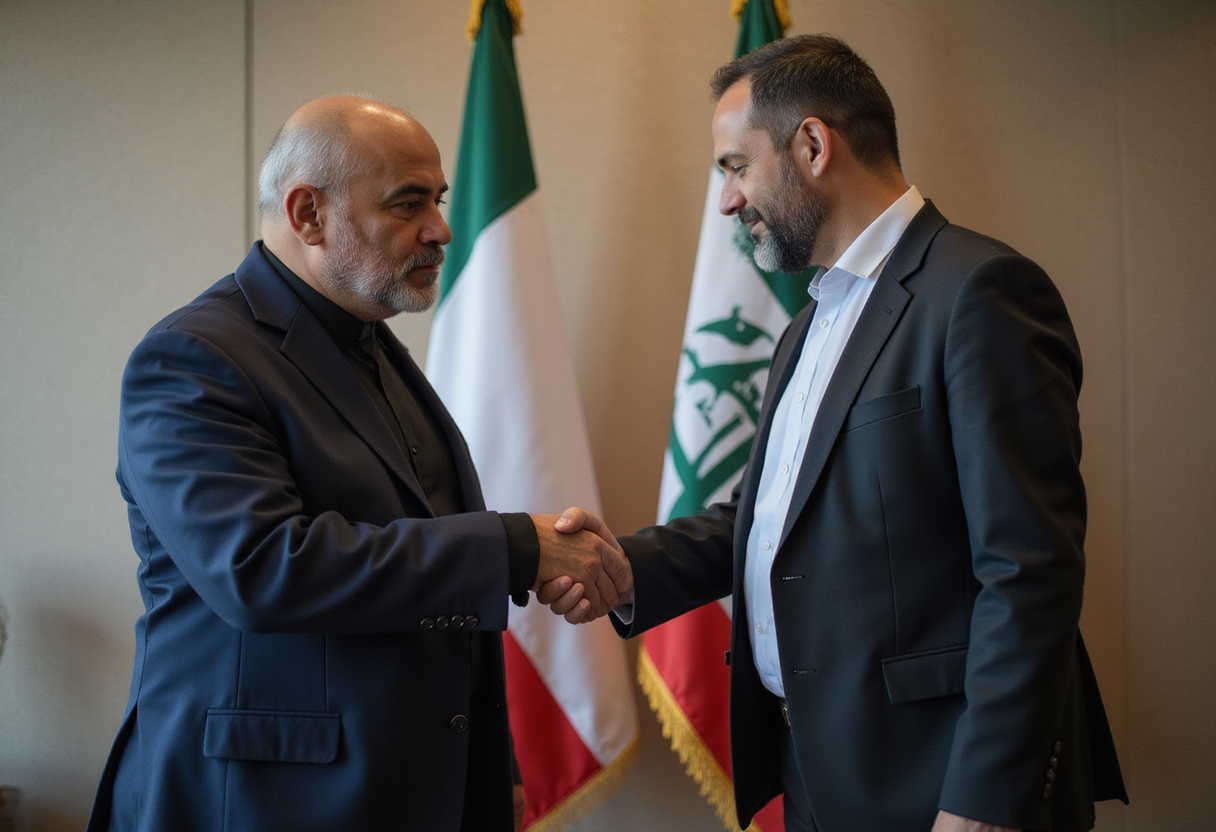
US and Iranian officials held indirect talks with mediators on Monday, reviving efforts to end seven months of war. Iranian Foreign Minister Abbas Araghchi met Qatari mediators in New York, where he stayed after the United Nations General Assembly, and said he expects Washington's reply by Tuesday. "We talked about ideas and how to find solutions to fulfil Iran's conditions," Araghchi said, adding that he plans to return to Tehran once a response arrives. "Whenever the Qataris have a response, they know how to get it to us."
The Iranian proposal, first presented on the sidelines of last week's General Assembly, sets a demanding timetable. It calls for the US to release frozen Iranian funds, lift sanctions on Iranian oil and end the naval blockade of Iranian ports within four to five days, with nuclear talks beginning inside seven days. Tehran has tied any reopening of the Strait of Hormuz to those steps.
President Donald Trump rejected the plan outright on Sunday, calling it "unacceptable" and telling reporters Iran wants a swift deal because of the economic pressure it faces. Speaking at the White House on Monday, Trump confirmed US officials had spoken separately with mediators but gave no details. "We're going to win. It's going to go pretty quickly," he said.
For tanker owners and oil charterers, the physical picture is more encouraging than the rhetoric. Kpler data shows Middle Eastern crude exports rebounded this month to around their highest level since the war began in February. "Middle East crude exports at just under 80% of pre-conflict levels," the tracking firm said in a note on Monday.
The divergence matters commercially. Recovering export volumes from producers outside the Hormuz chokepoint support freight availability and crude supply, while the strait itself remains constrained — keeping war-risk premiums elevated and routing options limited for tonnage serving Gulf loading terminals. Iranian ports remain under naval blockade, removing a meaningful share of potential cargo from the market and sustaining the pressure Tehran says is driving its negotiating position.
The standoff is also feeding directly into US fuel markets. Retail diesel prices hover near a record high of $6.53 a gallon. The Trump administration is again weighing an export ban — days after distancing itself from an earlier version of the plan. Kpler estimates the measure would keep roughly 1.2 million barrels a day at home and risk overwhelming domestic storage, a scenario that would hit distillate exporters and reconfigure product tanker demand on Atlantic basin routes if enacted.
The immediate variable is timing. Araghchi expects a US response via Qatari channels by Tuesday, and Trump signals confidence in a fast resolution. With Hormuz clearances still nearly 6,600 kilobarrels a day below baseline and a possible export ban back on the table, both crude and product markets face sharp repricing depending on which document arrives first — a reply, or a rejection.
Source: Hellenic Shipping News
More from Elena Vasquez
Show full bio
News editor covering industry trends and analytics at Waybill Wire.
144 articles
Related05
Hormuz Reopening Hinges on Talks as Trump Denies Iran Sanctions Relief
Brent jumps 2.7% to $107 as Iran holds firm on Hormuz terms
Iran Holds Firm on Hormuz Terms as Trump Rejects Reopening Bid
Diesel Benchmark Falls 14.7 cts/g as Gulf Oil Flows Rebound
80 nations demand full reopening of the Strait of Hormuz