WW/OCEANFREIG
HD Hyundai's lashing-free boxship carries 10% more deck cargo
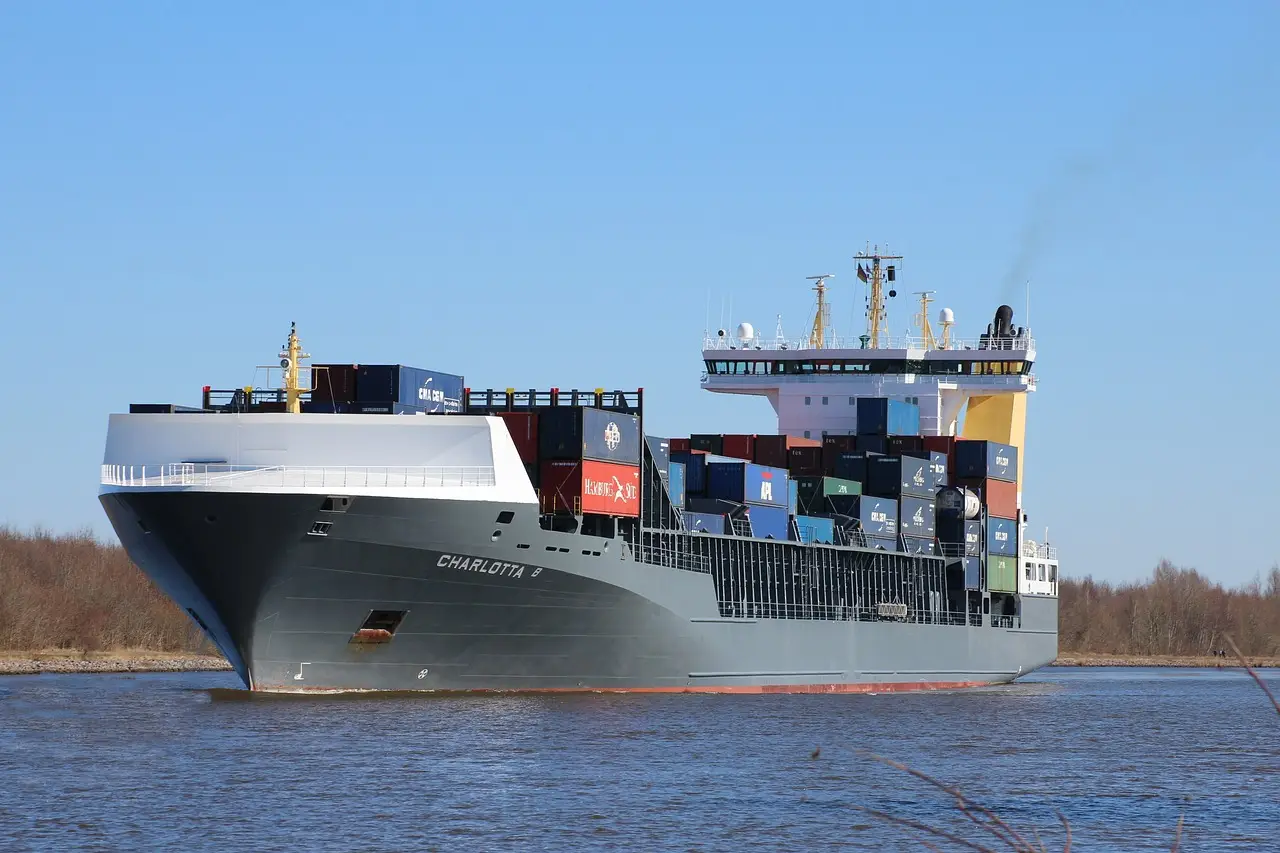
HD Hyundai's 13,000-TEU lashing-free boxship for CMA CGM carries 10% more deck cargo weight, while Maersk and COSCO pursue smart and robotic lashing instead.
- Desk
- Ocean Freight
- By
- Amara Osei
- Filed
- Length
- 589 words
- Read
- 3 min
Key points05
- HD Hyundai delivered the world's first Lashing-Free container ship, a 13,000-TEU vessel, to CMA CGM in Q3 2026.
- The design carries over 10% additional cargo weight on deck versus conventional vessels of the same type.
- Sea trials in September 2026 confirmed significantly reduced vibration versus hatch-cover designs.
- Maersk is pairing with LashingTech Partnership; COSCO with SecureLash, on automated lashing systems.
- HD Hyundai is developing a next-generation version adding weathertight features.
A 13,000-TEU container ship delivered in Q3 2026 can carry more than 10% additional cargo weight on deck than a conventional vessel of the same type — because it has no lashing at all. HD Hyundai handed the world's first "Lashing-Free" container ship to CMA CGM, and sea trials in September 2026 suggest the concept works.
That matters for a industry that still secures deck stacks the old way: workers climbing lashing bridges with turnbuckles and rods. HD Hyundai's design removes that manual labour entirely and adds technologies aimed at preventing cargo loss and maximising logistics efficiency.
The engineering is straightforward to describe, if not to build. Cell guides — the steel frames that keep container stacks aligned inside the hold — now extend all the way above deck. Conventional large hatch covers would obstruct them, so the guides could never reach up there. HD Hyundai Heavy Industries solved this with a standardised portable bench, built to the exact dimensions of a 40ft container, installed between the cell guides. Port cranes handle it like any other box. The yard also developed a Twistlock Rooting System that fastens containers stowed outside the cell guide area directly to the vessel's structure.
What does the change mean at sea?
According to HD Hyundai, the design gives stable container support even in rough seas and strong winds. That translates into fewer lost boxes, better maritime safety, and a lower risk of marine pollution — the chronic worry every winter on the North Pacific and North Atlantic.
The September 2026 sea trials also confirmed significantly reduced vibration during operation compared with conventional designs using hatch covers and lashing bridges. Quieter ships tend to be gentler on cargo and crew alike.
HD Hyundai Heavy Industries developed and validated all key components of the Lashing-Free technology in-house. HD Hyundai Samho handled the detailed design and construction of the vessel carrying it.
Maersk and COSCO are taking a different road
Not everyone is abandoning lashing. 360iResearch outlines two collaborations among the world's largest operators:
- Maersk Line is working with LashingTech Partnership to integrate smart lashing technology with the carrier's fleet management systems, targeting real-time monitoring and adaptive lashing adjustments.
- COSCO is partnering with SecureLash to test standardised robotic lashing equipment, aiming to cut container securing time significantly while improving safety on its vessels.
So the industry is running two strategies in parallel. One automates the lashings; the other deletes them.
What does this change for shippers and terminals?
For carriers, the 10%-plus gain in deck cargo weight capacity is the commercial headline. More payload per sailing on the same hull means better asset utilisation without ordering new tonnage. For crews and terminals, removing lashing labour cuts port turnaround work and injury exposure — the tasks robots and cell guides now absorb.
The technology could also accelerate automation and unmanned operations across the wider logistics network of shipping lines and container terminals, 360iResearch notes. A vessel that secures itself needs fewer hands in fewer places.
For CMA CGM, being first mover carries the usual risk of unproven hardware at scale. For HD Hyundai, it carries a sales pitch no other yard can currently match.
HD Hyundai Heavy Industries has confirmed it is now developing a next-generation version of the system that will add weathertight features — a signal that the yard sees lashing-free as a product line, not a one-off demonstrator. If the design proves out across a full winter schedule, expect rivals to follow the cell guides upward.
Source: portstrategy.com
More from Amara Osei
Show full bio
Staff writer covering regulation, policy and their impact on Ocean and air freight, container shipping at Waybill Wire.
950 articles