WW/OCEANFREIG
Freightos update ties ME conflict, port congestion to rate picture
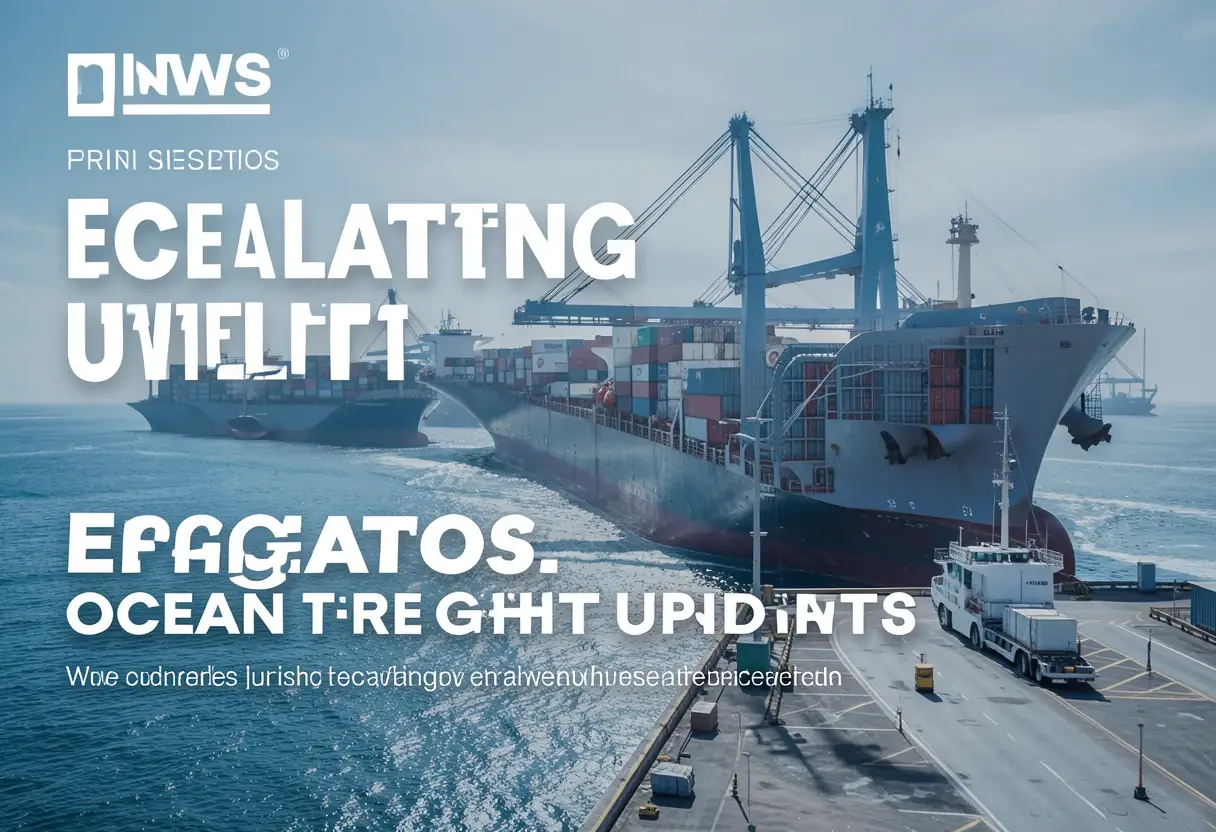
Freightos' latest weekly ocean briefing threads escalating Middle East conflict, port congestion, and rate-volume shifts on east-west container trades into a single market read for shippers and carriers.
- Desk
- Ocean Freight
- By
- Tom Whitfield
- Filed
- Length
- 545 words
- Read
- 3 min
Key points04
- Freightos' weekly update treats Middle East conflict, port congestion, and rate-volume trends as connected forces shaping the east-west container market
- Conflict-driven rerouting has absorbed container capacity that would otherwise sit in carrier schedules
- Spot rates are tracking the capacity squeeze from extended routings rather than underlying demand pull
- The Freightos index has shown only modest week-on-week movement, signaling volatility without clear direction
The latest weekly ocean freight briefing from Freightos puts three forces at the front of the east-west container market: an escalating Middle East conflict, port congestion, and the slow grind of volumes and rates.
The update treats the three themes as connected rather than parallel. Conflict-driven rerouting has lengthened voyages and absorbed capacity that would otherwise sit in the schedule. Port congestion has built in waves at hubs touched by those longer round-trips. Spot rates, the usual lagging indicator, track the capacity squeeze rather than any clear demand signal.
That is the analytic frame. Here is what each leg actually means on the trade.
What does the Middle East escalation move?
Shippers and carriers have watched the conflict become the single biggest disruption variable in the container market. Operators have rerouted around the affected waters, absorbing tonnage into longer round-trips that shrink usable capacity on the major lanes. Any further escalation — broadening of the theatre, new chokepoints threatened, or fresh attacks on commercial tonnage — would force a rethink of fleet deployment.
The practical effects on shippers land in three places. Lead times on the affected lanes stretch longer and reliability falls short of pre-disruption norms, so inventory buffers matter more than they used to. Spot rates can spike on short notice if a carrier announces an extra sailing or pulls a service in response to a shock. Equipment availability at inland points is the under-reported risk — boxes pile at import terminals when vessels arrive late, and exporters wait longer for repositioned empties.
Where does port congestion sit?
Congestion has been the more variable leg of the briefing. Hub terminals build up when schedules slip, and the buildup feeds back into the equipment cycle in ways that hit shippers before carriers. The Freightos note treats congestion as spread across regions rather than concentrated at any single chokepoint, which is itself a signal of how deeply embedded the schedule disruption has become.
For carriers, the calculus is delicate. Rerouting has lifted average revenue per FEU, but longer voyages have lifted bunker costs almost in lockstep. That margin stays fragile, and any move back toward the shorter routing would compress it fast. Operators are unlikely to treat the conflict as a permanent network feature, even though the market currently prices it as one.
What does the volume-and-rate read tell us?
Booking volumes on the trans-Pacific have steadied after a front-loaded peak season, while demand on Asia-Europe lanes has stayed softer against the rate backdrop. Spot rates have largely tracked sideways, and the Freightos index shows only modest week-on-week movement — volatility without direction.
For forwarders running tenders, the practical takeaway is to build rate-adjustment mechanisms into long-term agreements rather than lock fixed annuals. The briefing reads the market as one that swings on geopolitical headlines more than on fundamental demand, and contract structures need to absorb that exposure.
Looking ahead
With the conflict unresolved, congestion still tied to schedule reliability rather than underlying demand, and spot rates still pricing absorbed capacity more than real pull, the ocean market enters the next quarter exposed to upside shocks. The question for shippers, carriers, and forwarders is not whether volatility returns, but which trigger pulls it next.
Source: Google News: port congestion
More from Tom Whitfield
Show full bio
Market editor covering companies, deals and strategy in Ocean and air freight, container shipping at Waybill Wire.
490 articles
Related05
Iran Conflict Pushes Container Routes Off Course
Iran Conflict Fears Send Container Rates Soaring Worldwide
Prolonged Iran War Triggers Blank Sailings and Falling Box Demand
Global Port Congestion Passes Pandemic-Era Peak in "Perfect Storm"
US strikes on Iran push Red Sea container return out of reach, Xeneta warns