WW/TRUCKINGRA
DHL Freight puts SuperPanther e-truck into daily NL–Belgium service
DHL Freight's SuperPanther eTopas 600 has hauled commercial freight on Netherlands–Belgium routes since September 2026, running 2,000 km weekly with 40 more e-trucks planned.
- Desk
- Trucking & Rail
- By
- Tom Whitfield
- Filed
- Length
- 532 words
- Read
- 3 min
Key points05
- DHL Freight runs the SuperPanther eTopas 600 in commercial operations since September 2026, covering ~2,000 km per week
- The battery-electric truck offers up to 500 km of range on a single charge
- A spring 2026 two-week trial in Austria covered ~1,900 kilometers; the first European-built unit was completed in July
- DHL Freight plans to add around 40 electric trucks in the coming months
- The company operates ~1,700 low-emission vehicles, targeting net-zero logistics by 2050
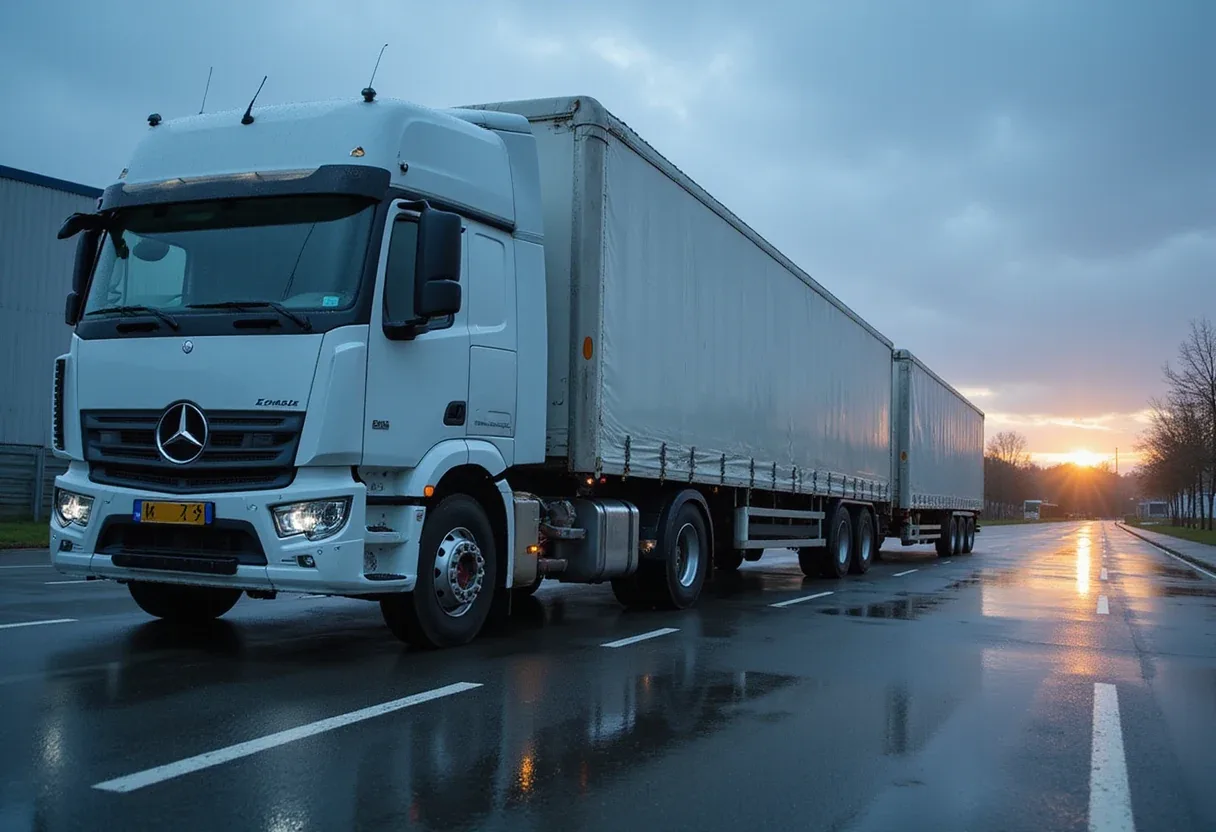
A battery-electric heavy truck is now hauling freight roughly 2,000 kilometers a week for DHL Freight across the Netherlands and into Belgium — not in a trial, but in regular commercial operations.
The vehicle is the SuperPanther eTopas 600, the first European-built unit of its type, completed in July 2026 and in service since September. DHL Freight says it covers up to 500 kilometers on a single charge and has met every planned transport requirement so far.
What makes the deployment unusual is how DHL is running it. The truck is not pinned to one fixed shuttle lane. It moves across different parts of the network, which lets the operator measure how a battery-electric rig behaves when routes, loads and distances keep shifting — closer to how a real fleet actually works.
How did it get here?
The road to commercial service took two years. DHL Freight and SuperPanther started working together in September 2024, then tested the vehicle in Austria earlier this year. A two-week trial in spring 2026 covered about 1,900 kilometers.
The first European-built eTopas 600 rolled out in July. Two months later it entered daily operations. That timeline — from Alpine trial to paying freight in under a year — is the part carriers and forwarders should watch.
"Our experience from daily operations has been positive so far. The vehicle meets the requirements of the planned deployment profiles and achieves high productivity within the network," said Arjan van Weelden, Carrier & Sustainability Manager at DHL Freight Netherlands.
What does this change for shippers?
For now, one truck changes little. But DHL Freight plans to add around 40 electric trucks over the coming months, and the eTopas 600's data will shape how they are deployed — including on international routes, where range and charging constraints bite hardest.
The commercial logic is customer-driven. Shippers face mounting pressure to cut Scope 3 transport emissions, and road freight is where the tonne-kilometers stack up.
"Our customers are looking for practical ways to reduce greenhouse gas emissions from their transport operations," said Heidi van Eldik, CEO of DHL Freight Netherlands & Belgium.
In plain terms: if electric tractors can hold productivity on cross-border work like the Houten-based routes into Belgium, low-emission capacity stops being a premium add-on and becomes standard kit. If they can't, expect e-trucks to stay confined to fixed short shuttles.
A 1,700-vehicle test bed
The eTopas 600 joins a fleet of roughly 1,700 vehicles that DHL Freight already runs to cut transport emissions, alongside trials of other vehicle technologies. All of it feeds DHL Group's target of net-zero logistics emissions by 2050.
The company is not betting on a single drivetrain. It is gathering operating data across technologies and lanes, then scaling what works — the 40-truck order is the first visible installment of that.
For European road carriers, the benchmark now exists: a 500-km-range electric tractor running mixed domestic and cross-border work at, in the operator's own words, high productivity. The next data point to watch is whether the 40-truck wave sustains that performance through winter and peak-season schedules.
Source: Container News
More from Tom Whitfield
Show full bio
Market editor covering companies, deals and strategy in Ocean and air freight, container shipping at Waybill Wire.
500 articles
Related05
ZET SCALE Orders 2,500 Battery Electric Class 8 Trucks, Most From Tesla
Electric Truck Market on Track for $1.04 Trillion by 2035
Tesla Moves to Electrify Trucking After a Decade of Delays
1,000 New EV Truck Orders Double LA-Long Beach Port Electric Fleet
Tesla Fronts 2,500 Electric Class 8 Trucks as Microsoft, PepsiCo Back Freight Decarbonization