WW/TRUCKINGRA
California ports propose $60 million for electric trucks
Los Angeles and Long Beach plan $60 million in electric-truck incentives, paying $60 per one-way move as diesel nears $8.50 a gallon, though approval is pending.
- Desk
- Trucking & Rail
- By
- Tom Whitfield
- Filed
- Length
- 839 words
- Read
- 4 min
Key points05
- Los Angeles and Long Beach plan $60 million in per-move electric-truck incentives.
- The proposal pays $60 per one-way trip, with a $36,000 cap per truck per year.
- About 4% of trucks visiting the two ports are zero-emission.
- A used diesel truck costs about $70,000; first-generation electric trucks cost more than $500,000.
- Los Angeles targets all-electric short-distance container trucking by 2035; Long Beach targets zero carbon emissions by 2050.
By Tom Whitfield
The ports of Los Angeles and Long Beach plan to commit $60 million to battery-electric drayage, paying operators $60 for each one-way trip to or from either port. The proposal would cap annual support at $36,000 per truck and direct more payments to carriers that deploy more electric units.
The money would come from a fund built since 2022, when the ports began charging diesel rigs a $10 clean-truck fee. Each proposed payment would reward a completed one-way drayage move. Neither port has a launch date, both harbor commissions must approve the program, and the ports are still collecting stakeholder feedback.
It would be California’s first per-move incentive of this kind, with distributions tied to trip counts rather than a one-time purchase grant.
What does the $60-per-move incentive change for carriers?
For a carrier, the proposal targets the recurring operating cost that a purchase voucher cannot. Every one-way electric trip earns $60, while annual support stops at $36,000 per truck. Because payments depend on completed trips, utilization and route planning determine how much value an operator captures.
For shippers and forwarders, the commercial test is schedule reliability, not only fuel savings. Charging takes longer than refueling, so truck downtime becomes a cost the per-move payment does not cover. The subsidy can narrow the operating gap without solving the capital, battery or insurance burden.
Deadline pressure is real. Long Beach aims to eliminate its carbon emissions by 2050. Los Angeles wants zero-emissions cargo-handling equipment by 2030 and an all-electric short-distance container truck fleet by 2035. Record diesel prices have triggered a wave of trucking bankruptcies, while diesel-free operation has proved more expensive than expected.
Port of Long Beach chief executive Noel Hacegaba said: “When I talk about 100% zero emissions, the way we get there is by having 100% zero-emission trucks.” He said the program must reduce port-related emissions while keeping the supply chain efficient and competitive.
Adoption remains thin. Port data put zero-emission trucks at about 4% of trucks visiting the two ports. Long Beach has set aside nearly $5 million for one-time payments of $10,000 to early adopters of electric cargo trucks. That payment supports initial acquisition but does not address the operating-cost gap.
California had nearly 9,000 registered medium- and heavy-duty zero-emission vehicles at the end of 2025, according to the California Energy Commission. Only 2,075 were trucks; the rest were buses and delivery vans.
The loss of federal electric-vehicle incentives last year slowed California and national sales. The state’s Clean Truck and Bus Voucher Incentive Project has distributed $1 billion so far through point-of-sale discounts on zero-emission trucks and buses.
The economics still work against adoption
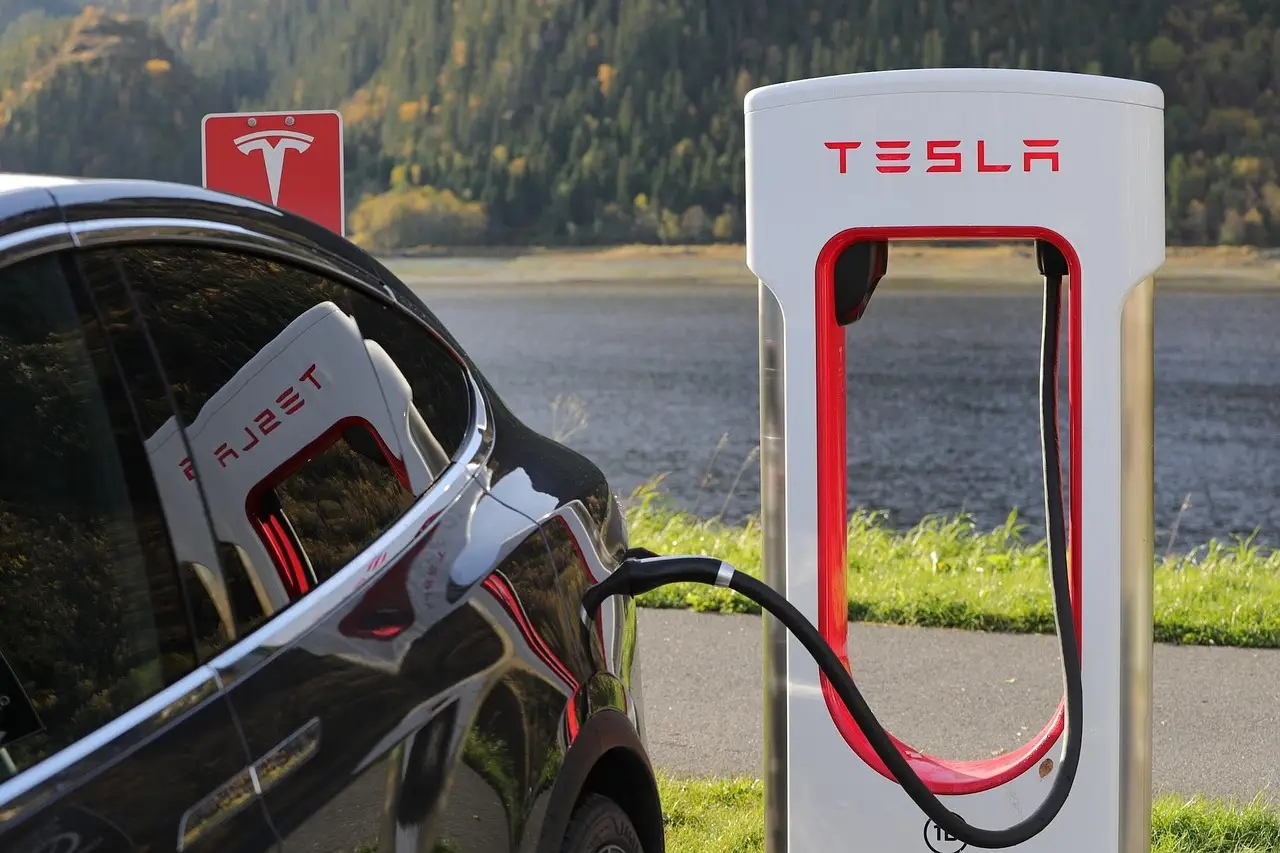
- Purchase price: A used diesel truck costs around $70,000; first-generation electric trucks cost more than $500,000. The new Tesla Semi is expected to cost nearly $400,000 after taxes and fees.
- Range and charging: Electric big rigs need charging about once a day, while diesel trucks need refueling every three or four days. A diesel tank can cover more than 1,000 miles; an electric truck’s range is closer to 200 miles. The Tesla Semi has an estimated 325-mile standard range and up to 500 miles in long-range form.
- Fuel and uptime: California diesel averages near $8.50 a gallon, improving the economics of electric operation. Longer charging times still create truck downtime and cost.
- Maintenance: Electric trucks have fewer moving parts and usually need less maintenance. Their extra weight of thousands of pounds speeds tire wear, while battery replacement every five to seven years can cost as much as $7,000.
- Insurance: Few electric trucks haul cargo for ports, leaving insurers with limited pricing data. Premiums therefore remain high for carriers adding these trucks to their fleets.
Together, these figures explain why electric operation has cost more than expected and why the ports are considering direct support rather than relying on purchase incentives alone.
The Harbor Trucking Association approached both ports earlier this year for help with electric-trucking operations. “We were asking for support to see if they were able to do anything to help … with the cost of ownership and the cost of operating those units,” said Robert Loya, the association’s chief executive.
The $60 payment directly addresses Loya’s operating-cost complaint. It also gives the ports a way to reward use rather than ownership, although the $36,000 annual cap remains well below the first-generation electric truck’s purchase price. Carriers must still absorb battery replacement, accelerated tire wear and expensive insurance.
If both commissions approve the proposal, the first state program of its kind could use clean-truck fee revenue to turn electric drayage from a capital problem into a recurring operating-cost case. Until approval, there is no launch date and the 4% zero-emission share remains the baseline.
Source: Google News: trucking industry
More from Tom Whitfield
Show full bio
Market editor covering companies, deals and strategy in Ocean and air freight, container shipping at Waybill Wire.
738 articles
Related05
Swire Shipping hikes US West Coast terminal charges to $700 per box
$8 Diesel Puts Los Angeles Drayage Operators on the Ropes
California's trucking sector faces fuel supply strain
Asia-US rates hold $5,500 above pre-peak as carriers chase $3,000 hikes
Record AAPA Convention Puts Nuclear Power and Faster Dredging Front and Center