WW/PROCUREMEN
Brussels clears $2.26bn Belgian offshore wind aid, tender back on
The European Commission approved €2.04bn ($2.26bn) in state aid for Belgium's first Princess Elisabeth Zone wind farm, reviving a 735MW tender cancelled last year, with a result due in Q4 2027.
- By
- Marcus Bennett
- Filed
- Length
- 713 words
- Read
- 4 min
Key points05
- European Commission approved €2.04bn ($2.26bn) state aid for Belgium's first Princess Elisabeth Zone offshore wind farm
- The 735MW farm will generate roughly 2.6TWh annually; tender result expected Q4 2027 under a 20-year scheme
- The original tender was suspended in July 2025; an earlier €682m aid measure approved in September 2024 was never implemented
- The revised framework uses a two-way contract for difference and extends the construction period from four to five years
- The Princess Elisabeth Zone is planned for three wind farms totalling around 3.5GW
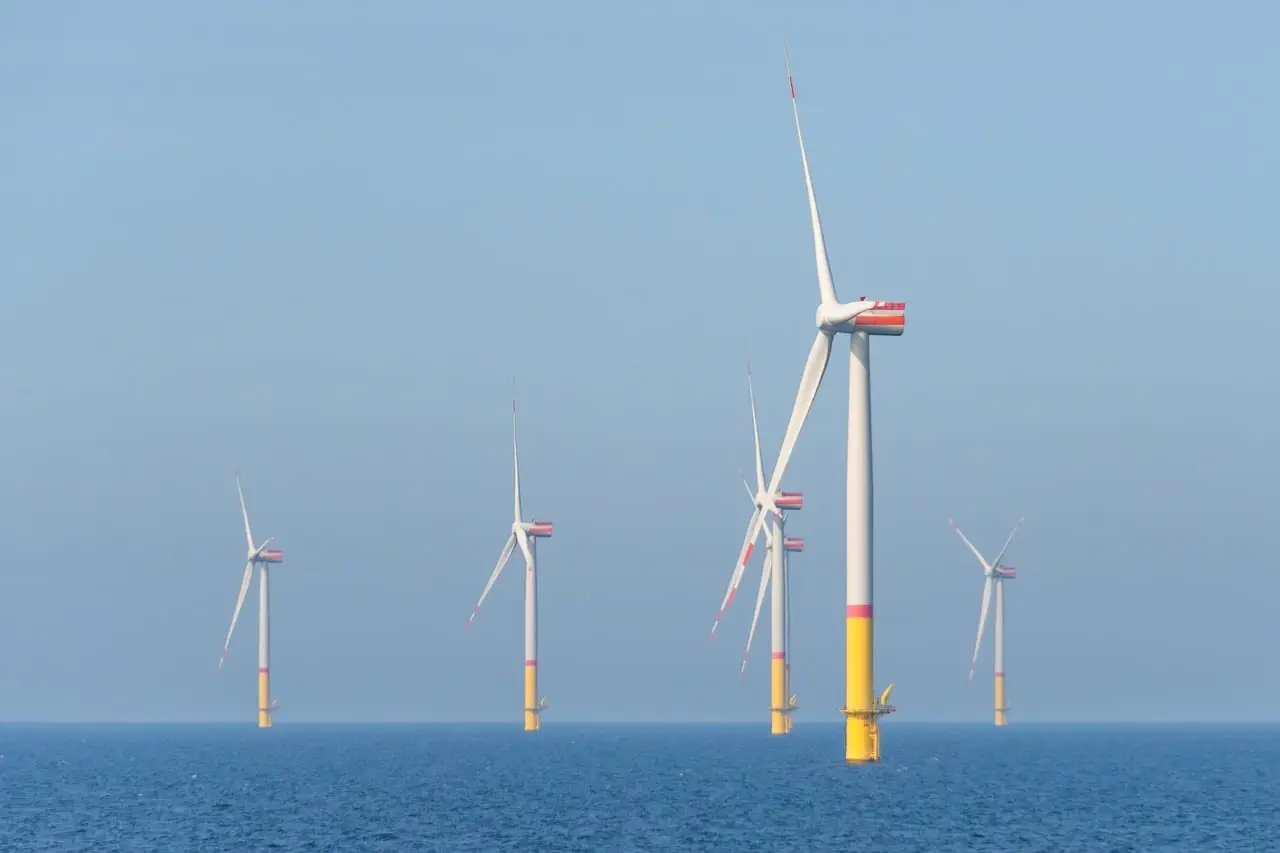
The European Commission has approved a €2.04bn ($2.26bn) state aid scheme for Belgium's first offshore wind farm in the Princess Elisabeth Zone, reopening a tender that collapsed last year under legal, financial and technical uncertainty.
The approval, announced this week, covers construction and operation of a wind farm with planned capacity of up to 735MW — enough to generate roughly 2.6TWh of electricity per year, comparable to the annual power consumption of several hundred thousand Belgian households. The scheme runs for 20 years, and the competitive tender result is expected in the fourth quarter of 2027.
That timeline deserves scrutiny. Developers now face a five-year maximum construction window — extended from four under the revised framework — which means first power from this zone is realistically a 2030s proposition, not a near-term one. The Commission's approval removes a bureaucratic hurdle, not the engineering or market ones that sank the original process.
What killed the first tender?
Belgium suspended the Princess Elisabeth Zone tender in July 2025, citing a tangle of legal, financial and technical uncertainties. The €682m ($755m) support measure the Commission had approved in September 2024 was never implemented — a plan on paper, never a project in the water.
Federal energy minister Mathieu Bihet said the Commission's approval removes the final obstacle to relaunching the tender. Every promise in that sentence comes with a caveat: the relaunched process still has to attract bids, clear the new contract terms, and deliver hardware into a North Sea construction market where turbine suppliers and installation vessels remain scarce.
How the new support structure works
The revised framework switches to a two-way contract for difference. The developer receives compensation when electricity prices fall below an agreed level; it pays the Belgian authorities back when prices exceed it. That symmetry protects taxpayers from funding windfall profits — a lesson drawn from the 2021–22 energy crisis, when one-way subsidy schemes across Europe looked suddenly generous to generators.
The package also lengthens the construction window from four years to five, giving developers scheduling flexibility that the industry has long requested, particularly given vessel availability and grid connection queues.
Notably, the tender will carry supply-chain diversification requirements covering wind turbines and major components, mandated under the EU's Net-Zero Industry Act. The Commission did not specify which suppliers or technologies qualify — a gap that could complicate bidding for developers locked into existing turbine procurement relationships.
A zone with 3.5GW at stake
The Princess Elisabeth Zone is planned to hold three offshore wind farms with combined capacity of around 3.5GW. The current tender covers only the first of the three, meaning Belgium's offshore buildout hinges on two further processes that have no approved aid schemes, no dates, and no framework yet.
For the supply chain, the implications are concrete. A 735MW farm implies roughly 50 to 60 turbines at current offshore ratings, plus monopile or jacket foundations, array cabling, and at least one offshore substation — tenders that European fabricators, cable makers and installation contractors will compete for from 2028 onward, after the tender result lands in late 2027.
The Net-Zero Industry Act sourcing requirements add a procurement twist: developers may face pressure to diversify away from single-supplier arrangements, which could favour European manufacturers over concentrated Asian supply chains — though the Commission's text leaves the precise thresholds unstated.
What remains unresolved
Three questions sit outside the Commission's decision. Whether the two-way CfD strike price attracts enough bidders to keep the tender competitive. Whether the supply-chain conditions narrow the field to developers with diversified sourcing. And whether the second and third farms in the zone secure aid approval on a faster timeline than the first — which took from 2024's €682m scheme through its cancellation to this €2.04bn replacement, roughly two years and one false start.
Belgium has now committed more money to a smaller guaranteed outcome than its first attempt contemplated: $2.26bn against a single farm's 735MW, versus the earlier $755m measure that never moved. If the relaunched tender closes on schedule in late 2027, the Princess Elisabeth Zone could finally begin delivering on the 3.5GW Belgium has promised — one farm, and one five-year construction window, at a time.
Source: Splash247
More from Marcus Bennett
Show full bio
Senior reporter covering regulation, policy and their impact on Ocean and air freight, container shipping at Waybill Wire.
862 articles
Related05
Antwerp-Bruges taps tidal power at Kallo Lock in EU-backed green push
Empire Wind Slips to 2027 as US-Built Vessel Delays Bite Equinor
Empire Wind first power slips to H1 2027 as Jones Act feeder vessels run late
Fugro lands East Anglia Two seabed survey work worth covering 64 monopiles
Cadeler’s Wind Apex takes 87-turbine Dogger Bank C assignment