WW/MARKETANAL
Box fleet to swell 50% by 2030 — and scrapping can't stop it
Sea-Intelligence forecasts the box fleet to hit 50m teu by Q3 2030, with quarterly deliveries peaking at 1.8m teu — and record scrapping offsetting less than 17% of new capacity.
- Desk
- Rates & Markets
- By
- Tom Whitfield
- Filed
- Length
- 650 words
- Read
- 3 min
Key points05
- Global containership fleet to grow from ~34m teu today to 50m teu by Q3 2030, a near-50% expansion (Sea-Intelligence).
- Quarterly deliveries to average 1m teu from 2027-2030, peaking at 1.8m teu in Q3 2028, versus 560,000 teu average in 2023-2026.
- Orderbook stands at 15.7m teu (Sea-Intelligence) or 15.47m teu (Xeneta), 46.4% of the existing fleet.
- Record scrapping of 670,000 teu a year (2016 level) repeated 2027-2030 would offset under 17% of deliveries, leaving 8.5% annual fleet growth.
- Only 600,000 teu demolished since 2019; just 3.4m teu of fleet capacity is at least 21.8 years old.
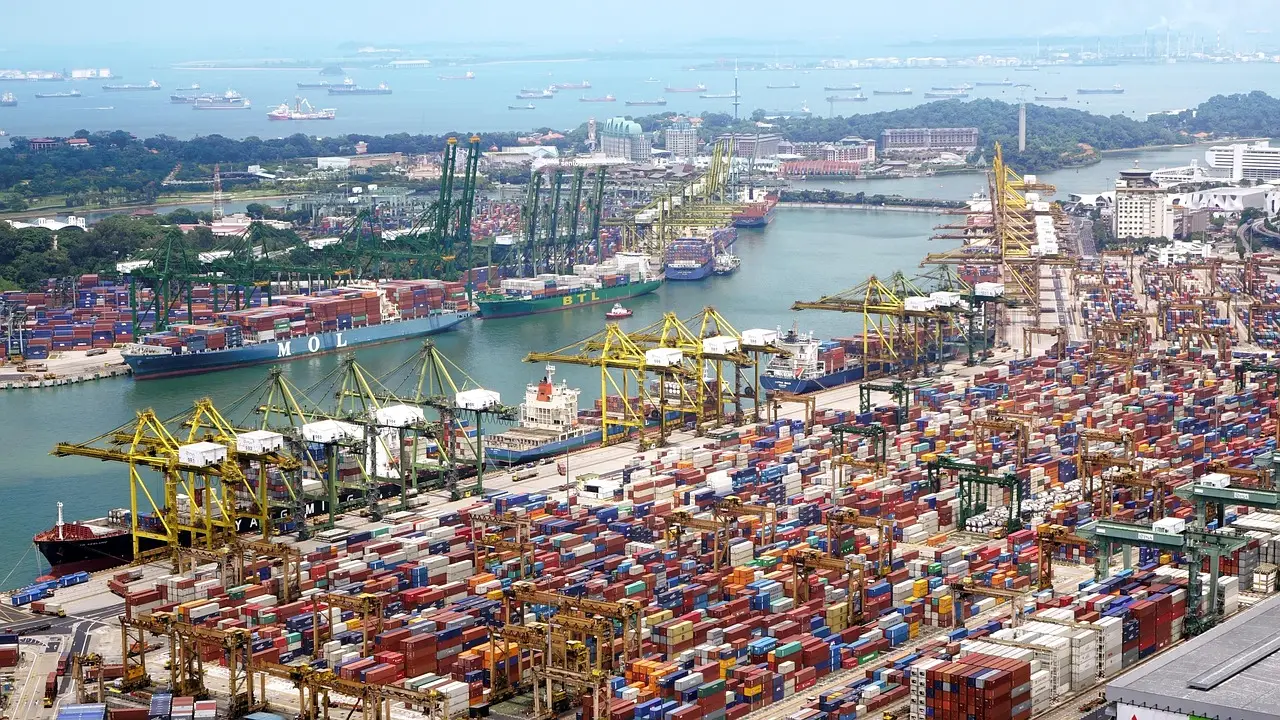
The global containership fleet will grow from almost 34m teu today to 50m teu by Q3 2030 — a near-50% expansion that even record demolition cannot offset, according to Sea-Intelligence's latest report.
The analyst forecasts the fleet hits 40m teu by Q2 2028, then adds another 10m teu in barely two years. Average annual fleet growth of 10% is expected between 2027 and 2030, based on existing orders alone. New contracts could push it higher.
The delivery schedule explains why. Quarterly deliveries will average 1m teu over the period, peaking at 1.8m teu in the third quarter of 2028. Between 2023 and 2026, the average was 560,000 teu per quarter. Capacity inflows are set to nearly double.
How big is the orderbook?
Sea-Intelligence puts the current orderbook — vessels scheduled for delivery through March 2031 — at 15.7m teu, or 46.4% of the existing fleet. Xeneta's latest assessment is slightly lower, at 15.47m teu, a gap of roughly 230,000 teu.
The ordering surge began in the third quarter of 2024, with new contracts averaging 1.5m teu every quarter since.
Can scrapping absorb the wave?
What does this change for carriers and shippers? The blunt answer: an unprecedented demolition programme still barely dents the incoming capacity.
In 2016, during the industry's previous overcapacity crisis, carriers scrapped a record 670,000 teu — just 3.3% of the fleet then afloat. Repeating that record every year from 2027 to 2030 would offset less than 17% of scheduled deliveries, leaving annual fleet growth at 8.5%.
Recent history is even starker. Peter Sand, chief analyst at Xeneta, told The Loadstar only 600,000 teu had been demolished since 2019 — less than one record year from 2016.
Xeneta estimates just 3.4m teu of existing capacity is at least 21.8 years old, the average demolition age recorded between 2016 and 2019. The pool of genuinely old ships is small.
Sand explained: "Containerships are built to last a life at sea, so they are mainly demolished for commercial and operational reasons rather than wear and tear." He expects demolition to rise if a large-scale return to Red Sea transits releases capacity currently absorbed by longer voyages around the Cape.
The size mismatch problem
Even the ships available for scrapping are the wrong ones. Jonathan Roach, analyst at Braemar, told The Loadstar there are 1,944 vessels aged 20 years or more — and 1,903 ships on order.
He said: "On paper, the numbers look remarkably similar, but this is where the comparison ends. There is a major mismatch in vessel sizes."
The old tonnage clusters in the smaller sub-panamax segment. The newbuilds are weighted towards larger ships. Demolition could therefore remove large numbers of ageing vessels while replacing only a fraction of the capacity arriving on the water.
Jan Tiedemann, VP liner strategy at Alphaliner, told The Loadstar he expects scrapping to increase in 2027 and 2028 — but without offsetting the newbuilding influx.
He pointed to several demand-side factors that could soak up capacity instead:
- longer trade routes
- slow-steaming
- rising consumption in emerging markets
Tiedemann also flagged replacement demand for larger vessels built between 2000 and 2010, many of which will approach the end of their commercial lives in the mid-2030s.
What it means for rates
For carriers, the arithmetic points to sustained structural overcapacity from 2027 unless demand outperforms or Red Sea diversions persist. For shippers and forwarders, the same arithmetic suggests downward pressure on freight rates as quarterly deliveries approach 1.8m teu at the 2028 peak — leverage that BCOs have not held since the post-pandemic rate collapse.
Sea-Intelligence's conclusion is unambiguous: with fleet growth of 8.5% a year even under record scrapping, the supply imbalance through 2030 looks severe, and only a durable demand surge or prolonged route disruption can close the gap.
Source: The Loadstar
More from Tom Whitfield
Show full bio
Market editor covering companies, deals and strategy in Ocean and air freight, container shipping at Waybill Wire.
802 articles
Related05
Container orderbook set to hit 16m teu as record year looms
Container fleet headed for 50m teu by 2030, Sea-Intelligence warns
Containership orderbook hits 46.5% as giant-vessel race expands
Containership orderbook nears 16m TEU as Asia trades expand
Xeneta Sees Container Spot Rates Down 30% in 2027 as Red Sea Capacity Returns