WW/OCEANFREIG
Benin Ships First Crude Cargo in Decades to Rotterdam
The 330,000-barrel Seme cargo aboard the Kriti Jade is estimated to reach Rotterdam on Nov. 18, reviving Benin’s West African oil-export route after decades of inactivity.
- Desk
- Ocean Freight
- By
- Amara Osei
- Filed
- Length
- 744 words
- Read
- 4 min
Key points05
- Benin loaded 330,000 barrels of crude from the offshore Seme field, its first crude cargo to Europe in decades.
- The Kriti Jade is estimated to reach Rotterdam on Nov. 18, 2026.
- Akrake began drilling at Seme in 2025 and restarted production in the first quarter of 2026.
- The IMF attributed Seme’s 1990s output decline to a lack of investment.
- Afentra targets an Angola Kwanza basin block shut during a 27-year civil war.
By Amara Osei
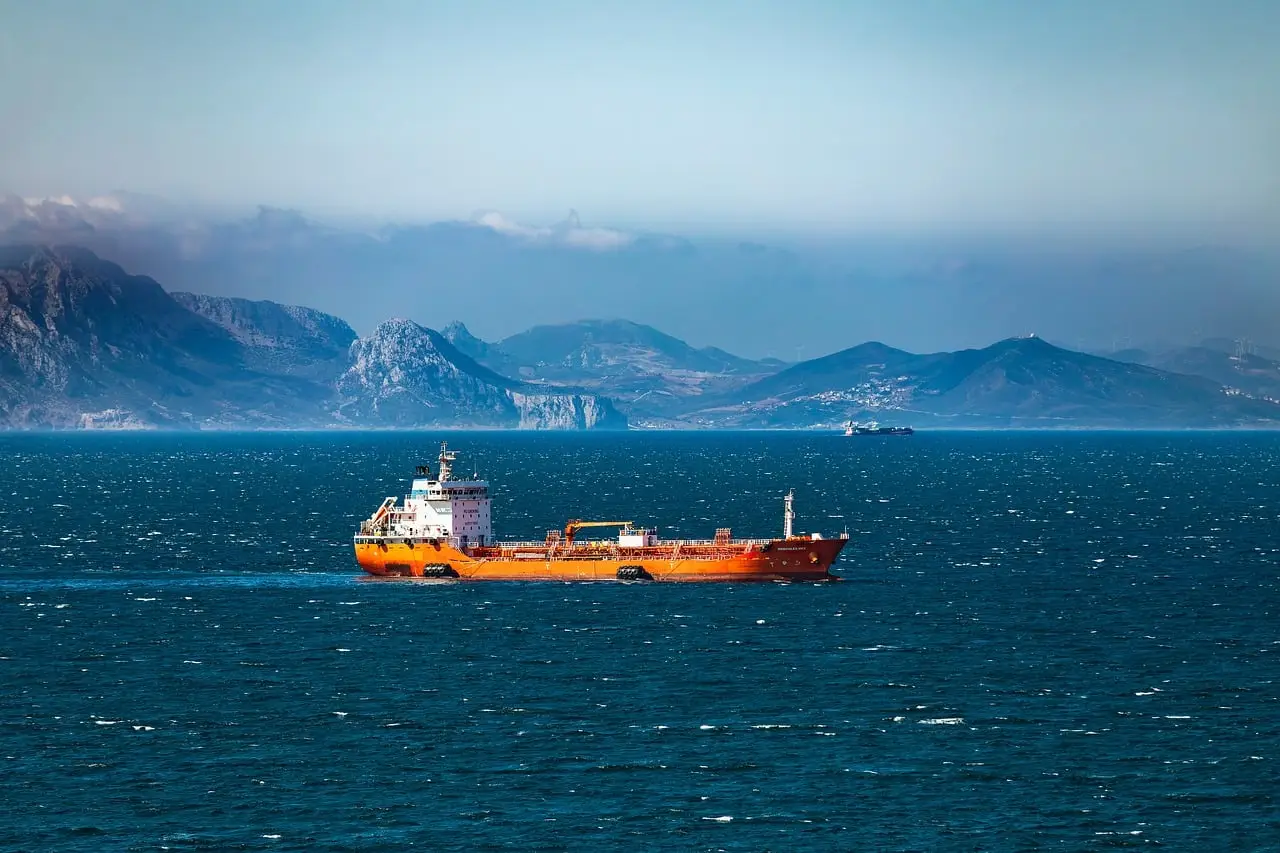
A tanker carrying 330,000 barrels of crude oil from Benin’s offshore Seme field is estimated to reach Rotterdam on Nov. 18, 2026, giving the country its first crude cargo to Europe in decades.
The Kriti Jade loaded offshore Benin early in November, according to Bloomberg tanker-tracking data. As of Nov. 12, the vessel was bound for Rotterdam, with Nov. 18 the estimated arrival date. Its voyage brings Benin’s Seme field, dormant since the late 1990s, back into export supply.
What does this change for Benin’s oil trade?
For Benin, the shipment reopens a seaborne crude-export channel and returns the country to West Africa’s group of oil-exporting states. For tanker owners and charterers, it creates one additional loading on the West Africa-to-Europe crude route. What it does not yet prove is that Seme can support regular cargoes at the same 330,000-barrel scale.
For forwarders, the useful test will be a second sailing, not the arrival of the first. One cargo can establish offshore loading, tanker coordination and a Rotterdam discharge precedent, but it does not create dependable capacity. Akrake has not disclosed a cargo sale, charter structure, buyer, onward routing or schedule for additional shipments, so those commercial details remain unavailable.
That is a restart in the literal sense, not merely another promising block on a presentation slide. A voyage is measurable from one ship’s movement and estimated arrival; a trade lane requires repeat volumes, reliable dates and returning buyers. Benin’s export revival is real; its frequency remains a question mark.
Why did Seme fall out of production?
Seme’s output began a steep decline in the 1990s, and the International Monetary Fund cited a “lack of investment” in a report from that period. Akrake started a drilling campaign in 2025 and brought the field back into production in the first quarter of 2026, according to a company presentation. The sequence is straightforward: decline, drilling, production, first cargo.
Akrake Petroleum SA, Benin’s state oil company, operates Seme. The company did not immediately respond to Bloomberg requests for comment by phone and email. Its presentation establishes the operating timeline, but the silence leaves open how much investment the restart required and how the company plans to market future output.
Why revive mature fields now?
The Seme shipment highlights a specialist business: producing the remaining oil from fields that have matured or sat idle. Higher crude prices have strengthened operating budgets and made those projects more workable. For oil markets, that means another cargo from an existing field, not a greenfield discovery. The logic is commercial rather than romantic, despite the “revival” label.
Who else is using this playbook?
Akrake joins Perenco SA and Afentra Plc, two energy companies producing oil from mature fields across Africa. Their work centers on late-life output rather than headline discoveries. Seme adds another West African operation to that group, although the cargo report included no production or export forecast.
Afentra has targeted a block in Angola’s Kwanza basin, shut because of a civil war that lasted 27 years. That history differs from Seme’s investment-related decline, yet the asset fits the same late-field strategy. A war-closed block and an underinvested field require different histories. Both still need capital and operating execution.
What should shippers and forwarders watch?
Three items will determine whether Seme develops into recurring supply: the next cargo, its volume and its marketing terms. No production or export forecast accompanied the current shipment. For carriers, another sailing would improve Benin’s credibility as an origin and broaden loading options across West Africa. For forwarders, it would justify closer monitoring of Seme’s production schedule and the tanker market around it.
Higher crude prices support the operating case, but the report gives no oil-price benchmark, freight rate or vessel size for the Kriti Jade. So no one should turn the 330,000-barrel cargo into a precise forecast of Benin’s future exports. The immediate fact is narrower: one tanker, one cargo and one estimated Rotterdam arrival.
Akrake’s next disclosure, and the vessel’s actual Nov. 18 arrival, will carry more weight than the symbolism. If Seme follows with repeat cargoes, Benin will have reopened an export lane rather than merely made a ceremonial return. If not, the Kriti Jade will remain a one-off exception, commercially notable but not yet a dependable supply source.
Original: elibrary.imf.org
More from Amara Osei
Show full bio
Staff writer covering regulation, policy and their impact on Ocean and air freight, container shipping at Waybill Wire.
870 articles
Related05
Nigeria Launches First Domestic Container Shipping Line
Tanker Freight Slump Puts Atlantic Crude Back on Asia's Menu
Nigeria Approves Modernisation of Four Ports to Relieve Lagos Congestion
ARA Fuel Stocks Up 15% in September as Africa, Med Tighten
West Africa's Ore Boom to Absorb 120 More Capesizes by 2030