WW/OCEANFREIG
Bangladesh factory closures put Chittagong export sailings at risk
About 690 garment factories in Bangladesh stopped production Monday as protests blocked cargo routes to Chittagong, threatening booked sailings, delivery deadlines and higher airfreight costs.
- Desk
- Ocean Freight
- By
- Amara Osei
- Filed
- Length
- 564 words
- Read
- 3 min
Key points05
- Around 690 garment factories suspended production nationwide on Monday.
- At least 500 factories closed Sunday, while more than 150 closed in Gazipur Monday.
- Workers demand a minimum monthly wage of Tk30,000, approximately $250.
- A district-judge-led wage board formed Sunday with factory-owner and worker representatives.
- Bangladesh signed a $336 million loan agreement with China to expand and modernise Mongla port.
By Amara Osei
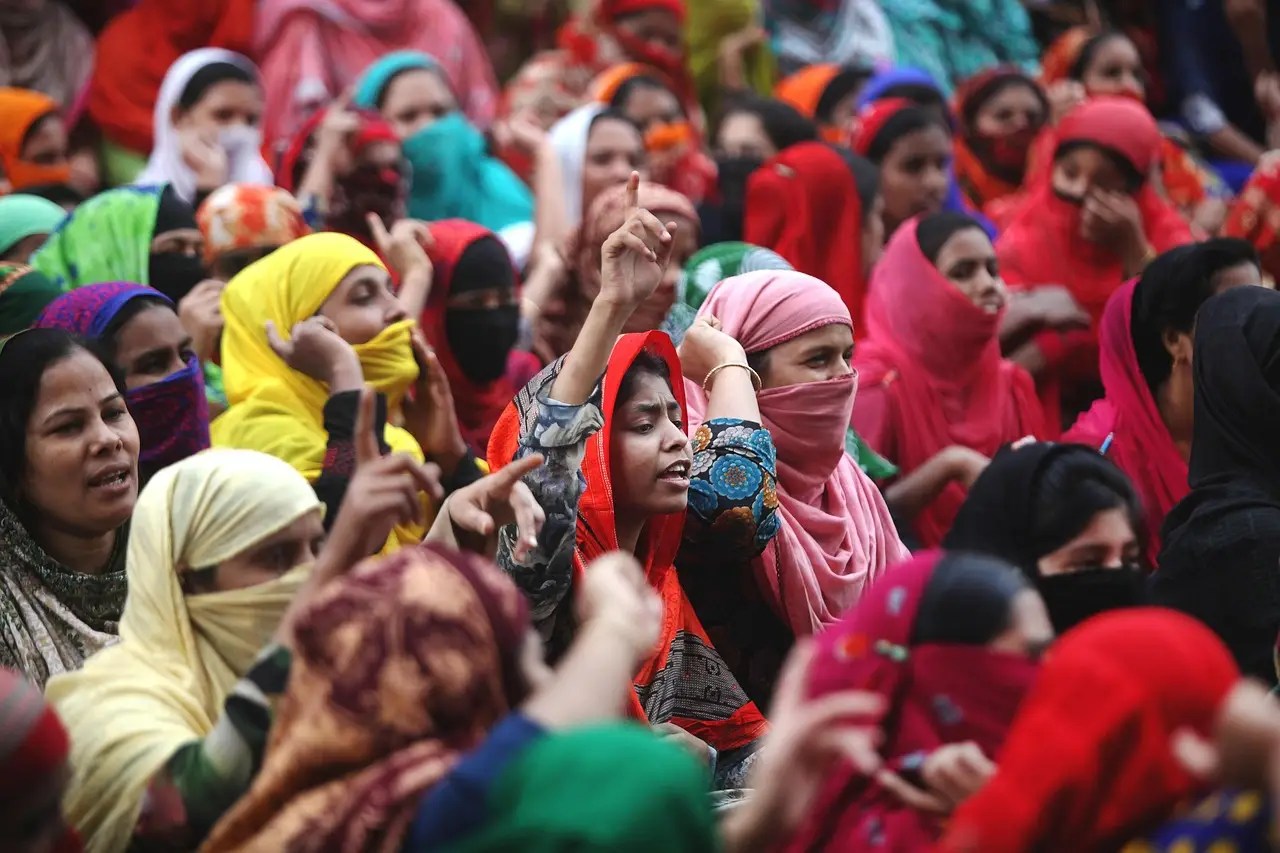
About 690 garment factories across Bangladesh suspended production on Monday, up from at least 500 closed on Sunday, as wage demonstrations and roadblocks hampered export cargo moving from Dhaka factories to Chittagong port.
The latest nationwide tally came after more than 150 factories in Gazipur shut. Gazipur Industrial Police superintendent Amjad Hossain said more than 150 factories in his area had closed because of the protests, while the national figure rose through the day.
Sunday's at least 500 closures came amid fears of vandalism. Factory owners have threatened indefinite shutdowns if protests continue, making Monday's figure a snapshot rather than a settled baseline.
Fazlee Shamim Ehsan, president of the Bangladesh Knitwear Manufacturers and Exporters Association, said: “...the ongoing labour movement is hampering production and exports. Buyers are worried.” He warned that Europe, Bangladesh's largest apparel market, faces severe instability and that European buyers will purchase less than in the past.
Workers continued demonstrations on Monday in Dhaka's Mirpur area, Ashulia, Gazipur and Tongi. Authorities deployed police and Border Guard Bangladesh personnel, and clashes with protesters were reported.
What does this disruption change for shippers and forwarders?
The disruption squeezes schedules from both ends. A closed factory cannot complete an order on time; a finished order cannot board its booked vessel if a roadblock delays its arrival at Chittagong. The two failures do not need to share a cause, but they now share a deadline.
For forwarders, prolonged unrest could require rearranged collections and bookings as cargo-readiness dates slip. Cargo that misses a sailing cutoff faces a longer delay, while buyers protecting contractual delivery dates may have to consider more expensive airfreight. That is a contingency, not a forecast.
For ocean carriers, booked services face loading uncertainty, but no confirmed estimate of delayed cargo, missed sailings or additional air-transport demand had emerged. The disruption is clear; its volume is not.
The workers' demands go beyond pay. They seek a minimum monthly wage of Tk30,000, approximately $250, along with food rationing in factories, implementation of trade union rights, a judicial investigation into workers' deaths and an end to unjustified layoffs. Improved working conditions also remain a stated demand.
On Sunday, the government formed a new wage board, chaired by a district judge and including factory-owner and worker representatives, to determine a new minimum wage. Its creation did not stop the roadblocks or closures. A board can set a number; it cannot reopen a factory by itself.
That creates a second commercial problem. Even factories able to restart face softer European demand, while finished orders still risk missing booked vessels. Restoring production would not, by itself, restore every delivery promise.
Bangladesh has also signed a $336 million loan agreement with China to expand and modernise Mongla port in a DP World deal. The financing concerns port development; the immediate export problem remains a production-and-road disruption on the Dhaka–Chittagong lane.
For shippers, the decisive variables are when factories can resume and whether completed orders can reach Chittagong before their booked vessels. An extended shutdown would leave less room to recover lost production and transport time before contractual deadlines.
The wage-board process, factory reopening dates and road access will determine whether missed sailings deepen; any shift toward costlier airfreight remains unquantified. Until those three clocks start moving together, the export calendar remains under pressure.
Source: The Loadstar
More from Amara Osei
Show full bio
Staff writer covering regulation, policy and their impact on Ocean and air freight, container shipping at Waybill Wire.
754 articles