WW/MARKETANAL
Amazon shipping costs rose 11% in 3Q as retail freight bills climbed
Amazon's shipping costs rose 11% in 3Q against 12% unit growth, while Tractor Supply's gross margin fell to 36.4% and Carter's inventory dropped 11% year over year.
- Desk
- Rates & Markets
- By
- Elena Vasquez
- Filed
- Length
- 663 words
- Read
- 3 min
Key points05
- Amazon's shipping costs rose 11% year over year in 3Q, compared with a 12% increase in units.
- Amazon's shipping expenses increased 8% excluding fuel and line-haul inflation.
- Tractor Supply's gross margin declined to 36.4% from 37.4%, even as sales increased 5.1%.
- Carter's inventory totaled $587 million, down 11% year over year, amid port congestion and container availability issues.
- Carter's said the inbound shipping disruptions had not materially affected its business to date.
By Elena Vasquez
Amazon’s shipping costs rose 11% year over year in the third quarter, compared with a 12% increase in units, while shipping expenses excluding fuel and line-haul inflation rose 8%.
Early reports from Amazon, Tractor Supply and Carter’s point to an uneven freight environment heading into the holiday season. Higher fuel and transportation expenses weighed on retailers’ supply chains, even as fulfillment improvements helped some companies contain costs.
How did Amazon limit its shipping-cost increase?
Amazon said on its earnings call that its fulfillment operations faced higher fuel costs and line-haul rates on long-distance trucking between facilities. Better inventory placement, shorter shipping distances and package consolidation nevertheless helped lower the cost to serve customers.
Excluding fuel and line-haul inflation, shipping expenses increased 8%, against 11% for total shipping costs and 12% for units. Amazon said operational improvements helped it handle the additional volume without a proportionate increase in shipping costs.
For shippers, that 8% figure offers a benchmark for separating input inflation from network performance, but it does not mean transport costs fell. For carriers and forwarders, Amazon’s 12% unit increase shows that higher line-haul rates did not stop the retailer from handling more packages.
Where did freight costs reach the income statement?
Tractor Supply’s third-quarter results showed a more direct effect from rising logistics expenses. The company attributed gross-margin pressure primarily to higher transportation and fuel costs, alongside investments in pricing.
Gross margin declined to 36.4% from 37.4% a year earlier, even as sales increased 5.1%. For Tractor Supply, the 1 percentage-point decline shows how distribution costs can narrow retailers’ room to hold competitive prices.
Retailers face added pressure from rising distribution expenses while they continue investing in competitive prices. For carriers and forwarders, the signal is that transport inflation is reaching retailer operating results rather than staying inside logistics budgets.
What left Carter’s below plan?
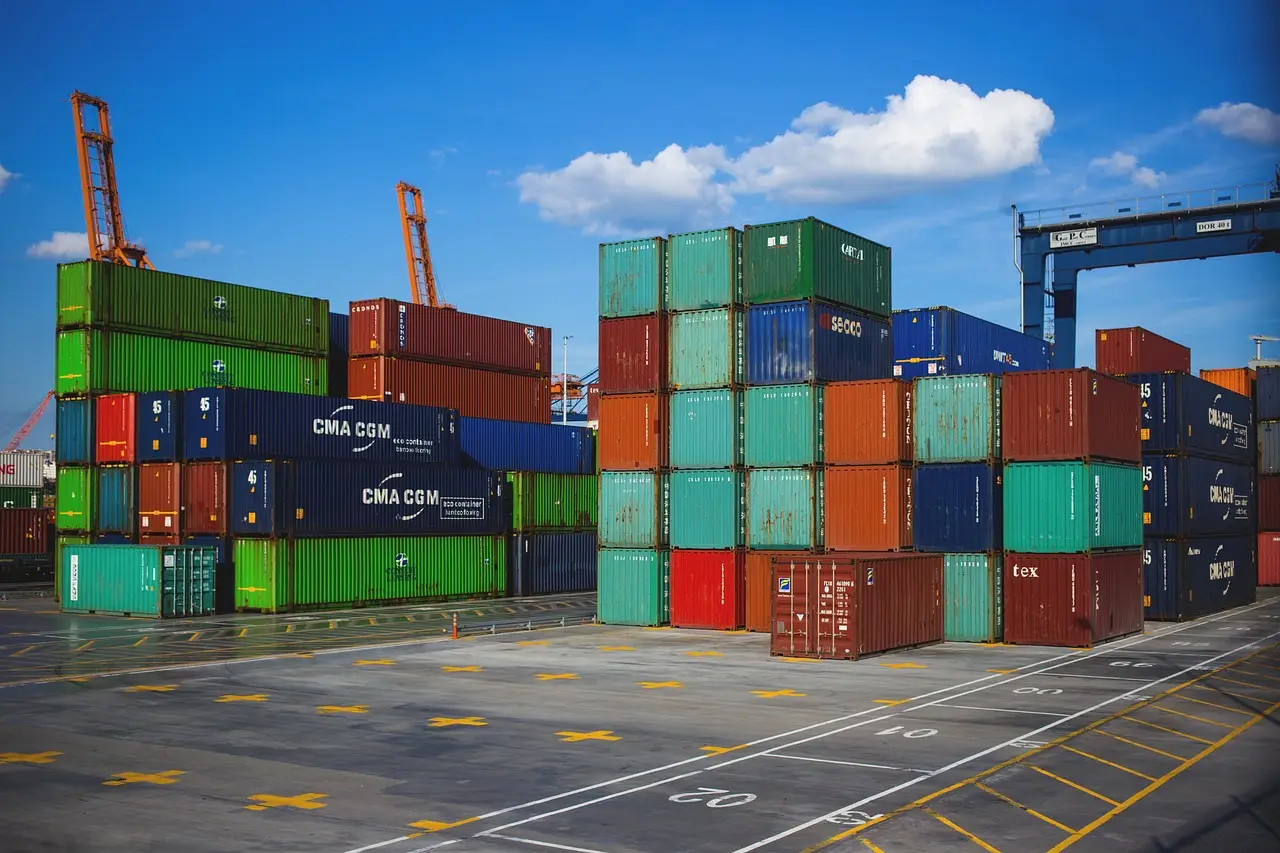
Carter’s faced a different constraint, one centered on the timing of inventory arrivals. Management said on its third-quarter call that port congestion and container availability issues had left inventory somewhat below plan.
Inventory totaled $587 million, down 11% from a year earlier. Carter’s said the disruptions had not materially affected its business to date.
Late merchandise can miss its selling window and require discounts, so the risk centers on timing rather than a reported sales loss. For shippers moving retail goods through ports, Carter’s experience makes container availability and port congestion planning variables alongside freight rates.
The disclosures did not identify an affected port, an ocean carrier or a container rate. They therefore document an inbound execution problem rather than quantify a capacity change on a named trade lane.
What does this mean for the holiday season?
The early results combine shipping inflation with isolated delays in getting merchandise into inventory. Amazon contained part of the cost increase through fulfillment efficiency, Tractor Supply saw freight and fuel pressure reach gross margin, and Carter’s reported below-plan inventory. Together, the reports show how improving the movement and placement of goods can offset external cost pressure.
For shippers, the immediate task is to separate uncontrollable fuel and line-haul inflation from controllable network costs. Amazon’s 8% increase excluding fuel and line-haul inflation provides one benchmark, while Tractor Supply’s 36.4% gross margin shows what distribution expenses can do to profitability.
For carriers and forwarders, the reports pair higher transport prices and constrained container availability with Amazon’s 12% unit growth. That mix makes fuel, line-haul rates and container availability separate variables to monitor rather than a single freight measure.
Those effects converge on holiday profits: higher freight expenses squeeze margins, while late merchandise can require discounts. Heading into the holiday season, retailers’ next freight bills will depend on fuel and line-haul rates, fulfillment efficiency and whether port congestion eases enough for delayed containers to arrive before their selling windows.
Original: getfreightdata.com
More from Elena Vasquez
Show full bio
News editor covering people, launches and day-to-day practice in Ocean and air freight, container shipping at Waybill Wire.
710 articles
Related05
Amazon's Shipping Costs Jump 11% in Q3 as Fuel and Linehaul Bite
Shipper freight costs jump 32% in Q3 — biggest rise since 2021
Freight Rates Jump 130%, Squeezing Global Trade
Last-Mile Costs Eat Over 40% of Delivery Spend as Peak Season Arrives
Trucking Costs Are Climbing Fast — and Consumers May Foot the Bill