WW/AIRCARGO
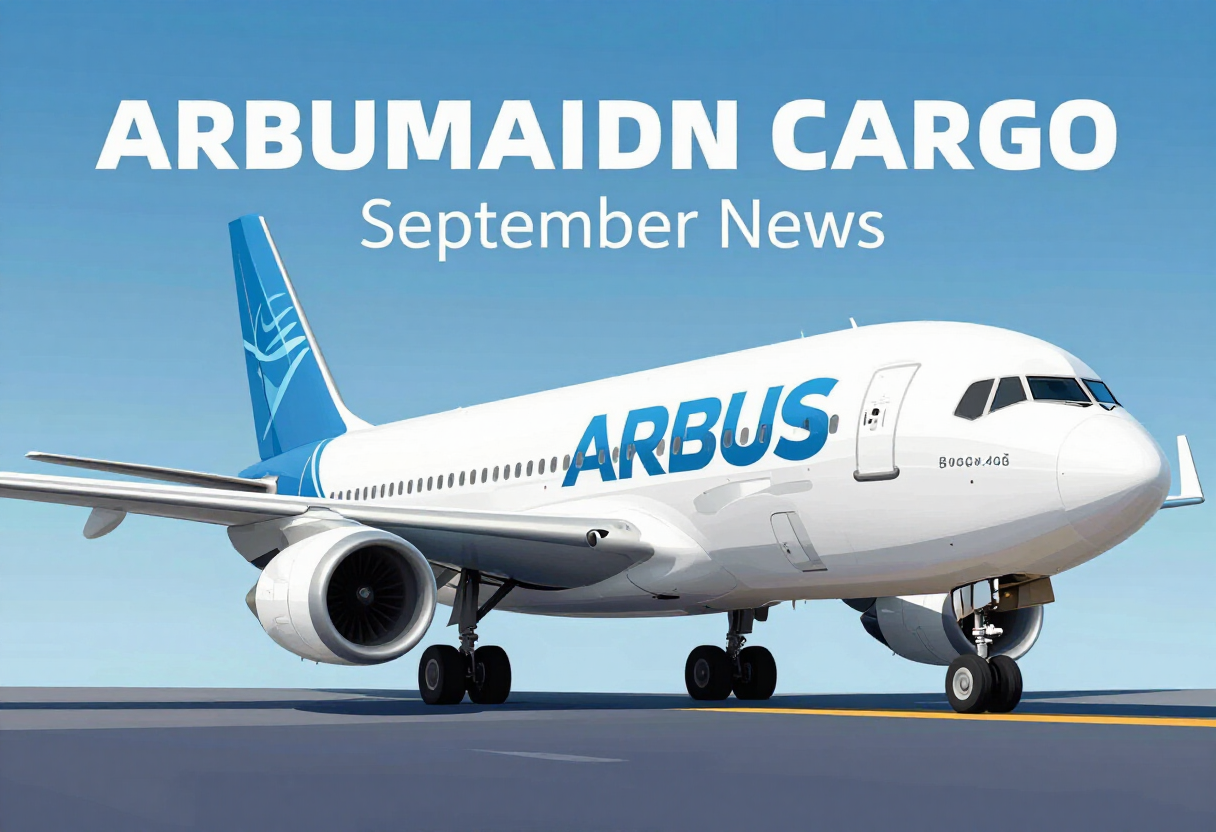
Airbus sets 29 September for A350F first flight
Airbus has scheduled the A350F freighter's first flight for 29 September, launching flight tests for its challenger to Boeing's 777F in the widebody cargo market.
- Desk
- Air Cargo
- By
- Marcus Bennett
- Filed
- Length
- 610 words
- Read
- 3 min
Key points03
- Airbus has set 29 September as the date for the A350F freighter's first flight
- The flight launches the certification campaign required before first deliveries to launch customers
- The A350F competes directly with Boeing's 777F in the long-haul widebody freighter segment
Airbus has scheduled the first flight of its A350F freighter for 29 September, moving the programme from the assembly hall to flight test and putting the airframer's next-generation cargo offering on a firm public timeline for the first time in months.
The date, confirmed in a report by Air Cargo News, marks the most significant visible milestone yet for an aircraft that Airbus is positioning directly against the Boeing 777F family in the widebody freighter segment — the class of aircraft that carries the majority of the world's long-haul air cargo capacity.
For carriers, the timing matters. The A350F is the only all-new freighter Airbus has brought to market in years, and its entry into flight test signals that delivery schedules for launch customers are beginning to harden. Airlines and integrators that placed early orders have been watching the programme closely, since widebody freighter availability — not just price — has become the binding constraint on fleet growth in the cargo sector since the e-commerce boom tightened capacity on key intercontinental lanes.
For freight forwarders and shippers, the A350F first flight is an early but meaningful signal of medium-term capacity trajectory. Widebody maindeck capacity determines how much volume moves on long-haul lanes outside the bellyhold space of passenger aircraft. Any new maindeck type entering service adds incremental lift, and the A350F is designed to compete on unit economics — fuel burn per tonne-kilometre — which, if Airbus delivers on its claims, would lower the cost floor for operators and potentially sharpen competition on rates for dense freight.
The 29 September flight will kick off a certification campaign that Airbus must complete before first deliveries. That process typically runs well over a year even when it proceeds smoothly, and freighter conversions of passenger platforms — which the A350F in effect is, derived from the A350 passenger family — have historically moved faster than clean-sheet programmes because much of the underlying airframe certification already exists. Airbus will nonetheless need to validate the freighter-specific elements: the large cargo door, the reinforced maindeck floor, and the loading systems that operators such as launch customers will depend on for full container utilisation.
The competitive backdrop is stark. Boeing has dominated the dedicated freighter market for decades, and its 777F remains the reference aircraft for long-haul cargo operators. Airbus has tried and failed before to break that grip with converted and new-build A330 freighters, which captured only limited market share. The A350F represents a heavier bet: a larger, longer-range maindeck aircraft built around a modern airframe with lower fuel consumption, aimed at carriers planning fleet replacements in the 2030s rather than immediate lift additions.
Air cargo market conditions will shape how quickly that bet pays off. Demand has been volatile since the pandemic-era peak, with e-commerce traffic out of Asia sustaining yields on transpacific and Asia–Europe lanes even as traditional industrial cargo volumes have lagged global trade growth. Operators weighing A350F commitments must judge whether that structural shift toward time-definite, high-density e-commerce freight persists long enough to justify new maindeck investment at scale.
The flight test campaign that begins on 29 September will start answering the technical side of that question. Certification timing, entry into service, and the pace of deliveries to launch operators will determine when the market sees actual new capacity from the programme. Until then, shippers and forwarders should treat the A350F as a 2020s-decade capacity story rather than near-term relief, while carriers face a widening window in which freighter capacity decisions made now will set competitive positions on the world's densest cargo lanes for years ahead.
Source: Google News: air cargo
More from Marcus Bennett
Show full bio
Senior reporter covering marketplaces and e-commerce at Waybill Wire.
145 articles
Related05
Airbus A350 Freighter Takes to the Skies for First Test Flight
Airbus A350F Freighter Completes First Flight
Airbus A350F Takes to the Air in Toulouse as Certification Campaign Begins
Airbus A350F Flies for First Time, Aiming at Boeing's Cargo Grip
Airbus A350F freighter programme moves toward entry into service