WW/AIRCARGO
Airbus sees global freighter fleet growing 46% by 2045
Airbus lifts its 20-year freighter forecast to 2,670 new aircraft by 2045 on 3.2% annual cargo growth, as tariff-shifted trade lanes and AI hardware demand reshape the fleet picture.
- Desk
- Air Cargo
- By
- Amara Osei
- Filed
- Length
- 698 words
- Read
- 3 min
Key points05
- Airbus projects the global freighter fleet to grow 46% by 2045, requiring 2,670 new aircraft
- Air cargo demand is forecast to grow 3.2% annually, down from 3.3% in last year's outlook
- US tariffs have shifted $750 billion of Chinese exports to other markets since last year
- The A350F is slated for first delivery in late 2027, with 115 orders on the books
- Middle East air cargo volumes are down 6.5% year-to-date amid the US-Iran war
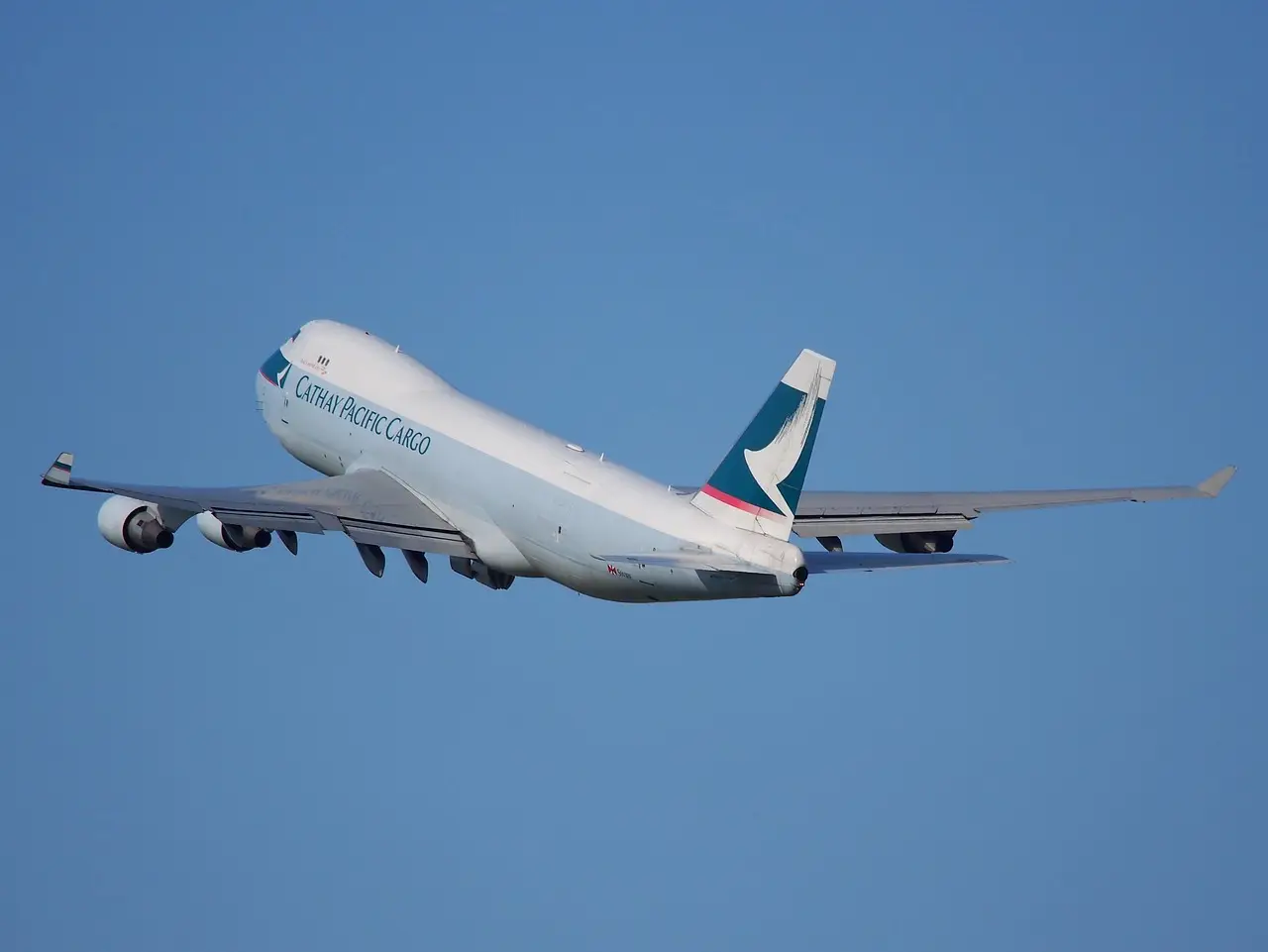
Airbus now expects the global freighter fleet to grow 46% by 2045, requiring 2,670 new aircraft — 65 more than it projected a year ago. The forecast, released Wednesday, trims the industry's expected traffic growth rate by a tenth of a point, to 3.2% per year, while quietly adding airplanes to the shopping list. Not much change, then. Just a bigger bill.
Of the 2,670 airframes, 970 will be factory-built freighters and 1,700 will arrive as passenger-to-freighter conversions. Nearly 1,100 serve pure fleet growth; the rest replace aging metal. The total fleet is projected to reach 3,460 aircraft, 40 more than last year's estimate. Airbus had previously forecast 45% fleet growth on 2,605 new aircraft plus 815 retained frames.
Fifty-seven percent of demand will sit in medium and large widebody freighters flying long-haul and transcontinental routes. That's convenient for Airbus, which begins delivering its all-new A350F in about a year.
Why the slightly rosier math?
The 3.2% growth assumption rests on economists' forecast of 2.9% annual global trade growth. Air cargo has outpaced trade for years through geopolitical, fuel and supply chain turbulence. The projection beats the 2.3% compound annual growth of the past 20 years — a period that included two major economic shocks. It also looks better than many expected because tariff impacts have been muted, with volumes shifting between regions rather than shrinking.
Asia, the industrial and high-tech production hub, leads regional growth at a projected 4% per year.
What do the trade shifts mean in numbers?
US tariffs on China — including on duty-free direct-to-consumer e-commerce packages — have redirected $750 billion worth of Chinese exports to other markets since last year. The US has imported $375 billion more from Vietnam, Taiwan, Thailand and elsewhere, more than offsetting the China decline. US imports from the rest of the world are up 12% this year, per Accenture trade data.
North American air cargo demand dipped 1.1% last year; in 2026 it's up 5.9% year over year through August, helped by tariff waivers reviving China-US flows. Globally, volumes were up 4.6% through August, improving on 2025's 3.3%.
The Middle East tells the opposite story. Volumes there have fallen 6.5% year-to-date amid the US-Iran war. Connecting traffic through the region is down to 31% from 38% last year, while Europe-Asia traffic rose 3% as carriers fly direct. Central Asian hubs in Baku and Tashkent are picking up freighter traffic.
One more demand engine: computers, semiconductors and electronic equipment have doubled to 15% of air cargo value in two years, driven by AI hyperscalers outfitting data centers. The stuff is light — high-tech is just 6.2% of tonnage, up only 2.2 points.
Old planes, new orders
The global freighter fleet has swelled past 2,350 aircraft, a legacy of the Covid boom in conversions and slowed retirements. Two-thirds of those planes will be replaced over 20 years.
"On average, the fleet is a lot older than what it was just five or ten years ago. And that's why there is a very strong demand for replacement aircraft, whenever they become available," said Francois Cabaret, head of market forecasts at Airbus, in a virtual briefing. Retirements rose to about 75 in 2025, according to Cirium.
Cabaret said most demand in the 80-ton category will go to newbuilds, since heavily flown widebodies don't always justify conversion. Boeing's 777 conversion programs at Israel Aerospace Industries and Mammoth Freighters hold dozens of orders; Airbus converts the A330-300 and A321 but has no large-jet program — a position that conveniently favors selling the new A350F.
Freighter marketing head Crawford Hamilton was adamant the first A350F delivery lands in late 2027. The aircraft completed its first test flight last month and faces nine more months of testing before expected European certification. Airbus holds 115 A350F orders from 15 customers; Boeing has 81 orders for the 777-8 freighter. Boeing issues its updated forecast next week — expect the duopoly's numbers to stay politely apart.
Original: getfreightdata.com
More from Amara Osei
Show full bio
Staff writer covering regulation, policy and their impact on Ocean and air freight, container shipping at Waybill Wire.
640 articles