WW/AIRCARGO
Air Tanzania down to one A220 as early engine removals bite
Three of Air Tanzania's four A220-300s are inactive after early engine removals, cutting 75% of A220 capacity and disrupting flights from 7 to 14 November.
- Desk
- Air Cargo
- By
- Tom Whitfield
- Filed
- Length
- 675 words
- Read
- 3 min
Key points05
- Three of Air Tanzania's four A220-300s are inactive, leaving 75% of A220 capacity temporarily lost.
- Disruption window: flights from 7 to 14 November face delays, time changes and aircraft substitutions.
- All four jets use Pratt & Whitney PW1524G-3 engines; the cause of the early removals is undisclosed.
- Auditor found earlier A220 groundings of 279 to 721 days as of June 2024, generating TSh9.16bn (~$3.4m) in fixed costs in 2023/24.
- Air Tanzania operates 120+ weekly flights to over 35 destinations with a 16-aircraft fleet.
Air Tanzania is flying just one of its four Airbus A220-300s after early engine removals grounded the rest of the type, cutting 75% of its A220 capacity and triggering eight days of schedule disruption running from 7 to 14 November.
The state-owned carrier warned passengers that flights across the period "may experience delays, disruptions, changes in departure times and aircraft substitutions." It advised travellers to confirm flight status before heading to the airport, and said affected customers would get help with alternative arrangements where necessary.
Independent flight tracking examined by aviation publication NewsAero shows how thin the operation has become. As of 10 November, only one A220-300 remained active.
The registered aircraft tell the story. 5H-TCL completed its last recorded flight on 7 November, operating Dubai to Dar es Salaam, then went quiet. It joined 5H-TCI and 5H-TCM, inactive since 5 October and 12 September respectively. The sole survivor, 5H-TCH, kept flying to Muscat, Johannesburg, Zanzibar and Kilimanjaro on 10 and 11 November.
The tracking confirms the aircraft sat idle during the period examined. It doesn't prove all three were grounded for the same technical reason, and Air Tanzania hasn't confirmed every inactive jet is affected by the engine removals cited in its notice.
What do the engine removals actually involve?
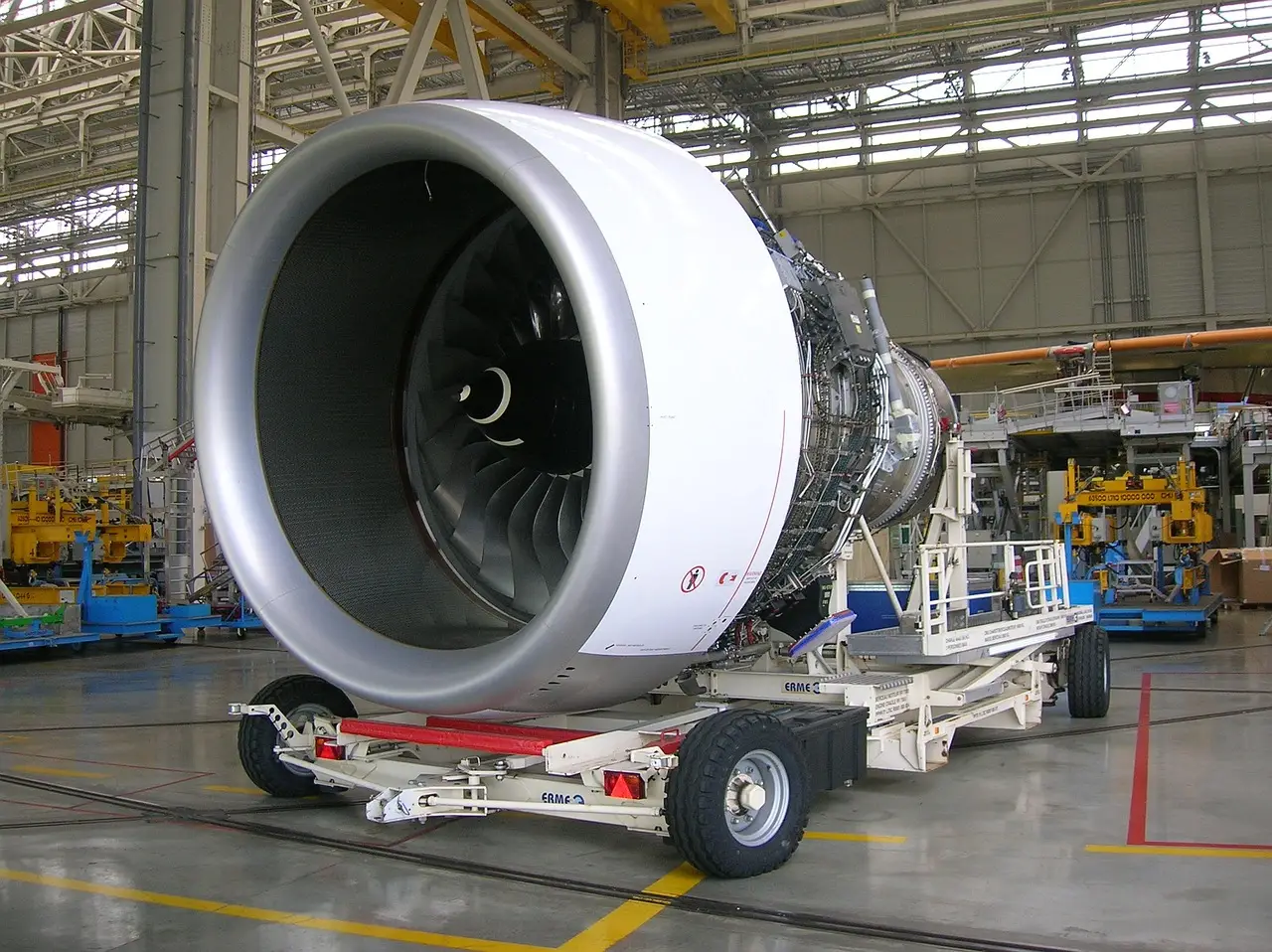
Air Tanzania hasn't said. All four of its A220-300s run Pratt & Whitney PW1524G-3 engines, and the airline has not disclosed whether the early removals stem from scheduled maintenance, inspections, overhauls, identified defects or a shortage of replacement engines.
Nor has it drawn any link to the wider maintenance and parts-availability problems that have hit Pratt & Whitney-powered aircraft worldwide. Without confirmation from Air Tanzania, Airbus or Pratt & Whitney, pinning the removals on a specific defect would be guesswork.
The airline has published no complete list of affected flights and hasn't said whether disruption continues past 14 November.
What does this change for passengers and the network?
Air Tanzania runs more than 120 weekly flights across over 35 destinations. Its international network includes Dubai, Mumbai, Guangzhou, Lagos, Accra, Johannesburg, Cape Town, Nairobi, Harare, Lusaka and Muscat.
The carrier hasn't confirmed that every A220 destination will see cancellations, and it can substitute other aircraft from its 16-plane fleet on some routes. For passengers, the practical consequence is simple: uncertain schedules through at least mid-November.
For Air Tanzania, the episode shows how sharply a small fleet bites. Lose three aircraft of a type you only operate four of, and a wide network wobbles fast.
The grounding pattern has cost millions before
This isn't the first time the A220s have sat idle. Air Tanzania became Africa's first A220-300 operator when it took delivery of its first aircraft in December 2018. Each of the four is configured for 132 passengers — 12 business class, 120 economy.
Tanzania's Controller and Auditor General found the four A220s had remained grounded for periods ranging from 279 to 721 days as of June 2024. The auditor blamed the earlier disruption partly on inadequate after-sales support and difficulty obtaining engines and spare parts.
The cost was real. During the 2023/24 financial year, the grounded aircraft generated TSh9.16 billion in fixed costs — roughly $3.4 million at the 11 November 2026 exchange rate. The Tanzania Government Flight Agency chipped in TSh5.49 billion, about $2.1 million, in lease incentives. That covered only around 60% of the fixed costs.
The auditor recommended that Air Tanzania and the government reassess the technical and economic suitability of the A220 fleet, and review purchase and maintenance agreements to recover any available warranty benefits.
Those findings concern the earlier grounding, not the November 2026 disruption, and shouldn't be read as proof of its cause. But until Air Tanzania, Airbus or Pratt & Whitney explains the engine removals — and confirms whether the last three jets return after 14 November — the carrier's A220-dependent schedule, and the cargo belly capacity that rides on it, stays at risk.
Source: africa.businessinsider.com
More from Tom Whitfield
Show full bio
Market editor covering companies, deals and strategy in Ocean and air freight, container shipping at Waybill Wire.
830 articles