WW/MARKETANAL
US Import Volumes Hit Record as Concentrated Sourcing Risk Climbs to 23%
US ports handled a record 2.67 million import TEUs in October, up 16%, while 23% of traded goods now face concentrated supply risk and 1,021 logistics jobs were cut.
- Desk
- Rates & Markets
- By
- Marcus Bennett
- Filed
- Length
- 713 words
- Read
- 4 min
Key points05
- US ports processed a record 2.67 million import TEUs in October, up 16% year over year, with China shipments up 22.9%.
- McKinsey found 23% of traded products face two supply-vulnerability factors, up from 15% in 2000.
- At least 1,021 logistics job cuts and 15 freight bankruptcies occurred between mid-September and Nov. 10.
- October US rail intermodal volume rose 9.6% to over 298,000 units per week, an AAR monthly record.
- Mexico removed about 1,100 steel mills from its registry and reports third-country steel imports down roughly 30%.
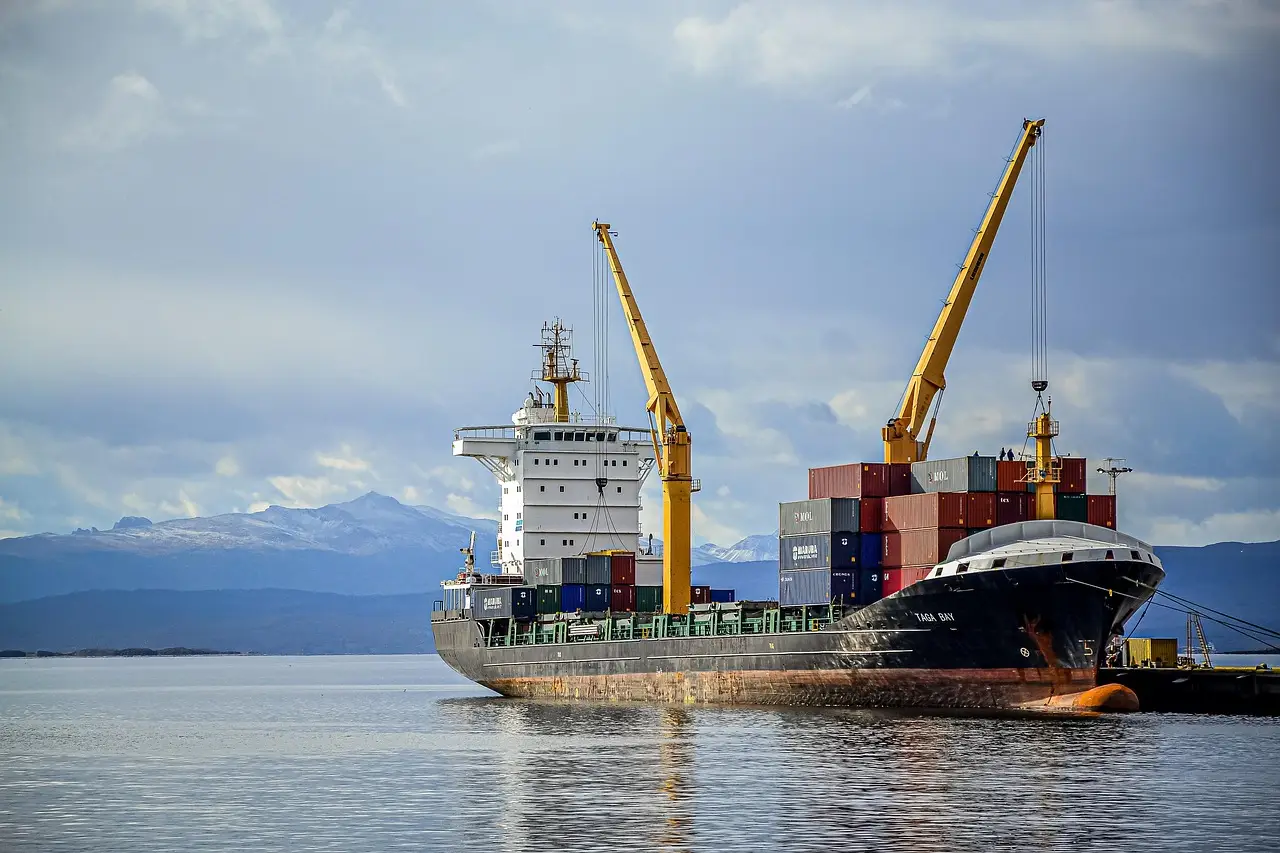
US ports processed 2.67 million import TEUs in October, a monthly record and 16% more than a year earlier, according to Reuters — even as McKinsey Global Institute finds nearly a quarter of traded goods now carry concentrated supply risk.
The two numbers frame Thursday's picture: demand is accelerating, but the sourcing base behind it is thinning. McKinsey's study, reported by The Wall Street Journal, found 23% of internationally traded products now face two vulnerability factors, up from 15% in 2000. The finding strengthens the case for supplier diversification at a moment when geopolitical tension and transport disruption keep re-routing flows. What the study does not say is how quickly shippers can realistically unwind concentration built over two decades.
What drove the October import record?
China was the engine. Shipments from China rose 22.9% year over year and reached their highest level since January 2025, per Reuters. The record volume suggests shippers front-loaded cargo ahead of potential tariff action rather than a durable demand shift — the release does not distinguish between the two.
The surge reached inland networks too. US rail intermodal volume rose 9.6% year over year in October to more than 298,000 containers and trailers per week, while total carloads gained 3.4%, according to Association of American Railroads data reported by FreightWaves. The AAR read the gains as a signal of economic resilience.
Is the freight market actually recovering?
Not evenly. Between mid-September and Nov. 10, at least 10 transportation and logistics employers announced 1,021 job cuts, and 15 freight-related businesses filed for bankruptcy protection, according to a FreightWaves compilation. Record import volumes and mounting failures are running simultaneously — a divergence that typically signals margin compression, with capacity leaving the market faster than demand arrives. For shippers, that combination historically precedes tightened capacity and firmer rates once the front-loading wave passes.
How are governments moving on tariffs and traceability?
Mexico removed roughly 1,100 mills from its approved steel registry and says third-country steel and aluminum imports fell about 30%, per Reuters. The crackdown targets tariff evasion via transshipment as Mexico seeks relief from US duties. The claimed 30% decline is Mexico's own figure; independent verification has not been published.
Across the Atlantic, the Financial Times reports Britain and the EU are expected to negotiate delaying 10% electric-vehicle tariffs because automakers cannot yet meet post-Brexit content thresholds designed to force a regional battery supply chain. A delay would give OEMs breathing room — and expose how far European battery capacity still trails assembly demand.
Who is localizing battery supply?
BMW contracted LG Energy Solution for North American battery cells and Samsung SDI for European supply beginning in the late 2020s, Supply Chain Dive reports. The deals support localized sourcing for BMW's sixth-generation electric vehicles and align with the regional-content rules pushing the EU-UK tariff debate.
What do the USPS numbers mean for parcel shippers?
USPS narrowed its fiscal 2026 net loss to $6.5 billion on revenue of $82.9 billion, per Supply Chain 24/7. Ground Advantage volume grew 10.5% even as total package volume fell 5.3% — meaning the postal service is losing overall parcels while winning exactly the e-commerce ground segment competitors price most aggressively. For parcel shippers, that shift keeps downward pressure on ground rates.
Which automation and electrification pilots advanced?
DHL is testing adaptive robots that adjust to changing warehouse conditions and deploying AI software to orchestrate labor and equipment in real time, Supply Chain 24/7 reports. The company has disclosed neither the pilot tasks nor performance results — a gap worth noting before treating the deployment as proven.
Kuehne+Nagel ran a more concrete test: its electric trucks charged at Amazon chargers during scheduled UK stops, completing 90% of planned sessions and adding about 40% battery charge without separate charging detours. If shared charging infrastructure scales, it removes one of the largest cost barriers — idle detour time — from fleet electrification economics.
With import records, rail intermodal highs and simultaneous bankruptcies, the market is sending mixed signals; watch whether Mexico's traceability regime and the EU-UK tariff delay hold, and whether October's volume surge proves to be front-loading rather than sustained demand.
Source: scmr.com
More from Marcus Bennett
Show full bio
Senior reporter covering regulation, policy and their impact on Ocean and air freight, container shipping at Waybill Wire.
940 articles
Related05
US Container Imports Hit All-Time High of 2.67m TEU in October
US Container Imports Hit All-Time High of 2.67 Million TEU in October
US container imports set September record at 2.5M TEUs
US container imports hit record 2.67m TEUs in October as delays build
Port Warehouse Vacancy Hits 7.7% as Imports Shift Inland