WW/MARKETANAL
U.S. diesel falls 24 cents to $5.695 as Hormuz risk persists
U.S. diesel fell 24 cents to $5.695 and gasoline lost 16 cents, easing Thanksgiving costs, but tanker mine strikes in the Strait of Hormuz keep oil supply uncertainty high.
- Desk
- Rates & Markets
- By
- Tom Whitfield
- Filed
- Length
- 710 words
- Read
- 4 min
Key points
- EIA's Nov. 24 data put U.S. on-highway diesel at $5.695 a gallon, down 24 cents for a fourth consecutive week.
- EIA gasoline averaged $3.642, down 16 cents but 58 cents above a year earlier.
- Midwest diesel fell 30 cents to $5.671; Gulf Coast gasoline fell 17 cents to $3.125.
- AAA's national averages were $5.798 for diesel and $3.615 for gasoline, 10 cents above and 3 cents below EIA, respectively.
- AAA said gasoline could fall another 15 cents by next Thursday; tanker traffic through the Strait of Hormuz remained below pre-war levels.
U.S. on-highway diesel prices fell 24 cents to $5.695 a gallon in data the U.S. Energy Information Administration released on November 24, marking a fourth consecutive weekly decline just before Thanksgiving travel. Gasoline fell 16 cents to $3.642.
The move trims truckload carriers' pump costs and gives shippers and freight forwarders a lower near-term fuel-cost baseline. It doesn't reset year-on-year economics: diesel remained $1.864 more expensive than a year earlier, and gasoline was 58 cents higher, according to EIA.
What is driving the four-week decline?
Fuel prices have fallen consistently in November so far, and the slide has continued every week since just before the midterm elections. Seasonality accounts for part of it: diesel and gasoline prices usually peak in summer, while winter fuel costs less to make because summer grades require additives to limit evaporation.
That seasonal pattern could still be interrupted later in the week by a brief spike linked to Thanksgiving travel. AAA's gasoline outlook points lower: the association said, "It's possible the national average will drop another 15 cents by next Thursday and avoid setting a new record."
AAA identified $3.58 on November 24, 2022, as the highest Thanksgiving Day national average at the pump. The association also said: "Crude oil has fallen to the low $80 per barrel range, helping bring down pump prices, although the national average is still more than 60 cents higher than this time last year."
Where did diesel prices land across the regions?
All five EIA regions recorded lower diesel prices, with prices per gallon. The Midwest posted the largest weekly drop, while the West Coast remained the most expensive market:
- Midwest: down 30 cents to $5.671.
- Gulf Coast: down 25 cents to $5.294.
- West Coast: down 24 cents to $6.709; excluding California, down 19 cents to $6.079.
- Rocky Mountain: down 24 cents to $5.772.
- East Coast: down 16 cents to $5.619.
AAA's separate national diesel average stood at $5.798, 10 cents above EIA's estimate and $2.013 above the same point last year. Neither series cancels the week's decline, but carriers using national fuel-cost benchmarks must account for the 10-cent gap.
How far did gasoline fall?
All five EIA regions also posted weekly gasoline decreases, with prices per gallon. The Midwest again had the largest decline, while the West Coast again carried the highest average:
- Midwest: down 22 cents to $3.380.
- Rocky Mountain: down 19 cents to $3.502.
- Gulf Coast: down 17 cents to $3.125.
- West Coast: down 13 cents to $4.805; excluding California, down 13 cents to $4.272.
- East Coast: down 13 cents to $3.582.
AAA's national gasoline average was $3.615, three cents below EIA's $3.642 estimate and 55 cents above a year earlier. The two readings sit close together, but both show that four weeks of declines haven't returned gasoline to last year's level.
What does Hormuz disruption mean for freight costs?
Political signaling around the Strait of Hormuz has quieted since the midterm elections. President Trump has stepped back from provoking more violence against Iran and is reportedly open to negotiating a peace deal.
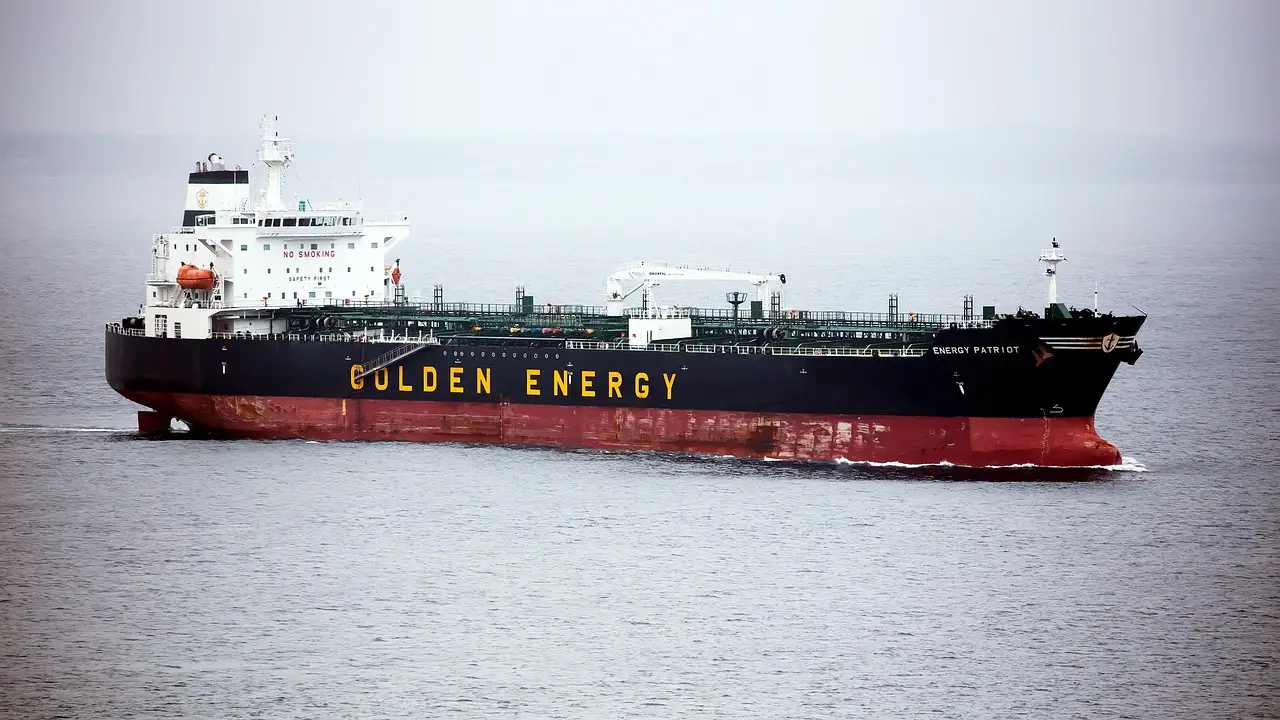
Yet the shipping disruption has not ended. Oil tankers are still striking naval mines in certain parts of the Strait, reportedly despite U.S. military escorts. Some traffic continues through other areas, but oil transported through the Strait remains below pre-war levels.
Regular tanker passage is the mechanism that matters. Until peace returns and tanker traffic normalizes, fuel prices will struggle to return to levels the average driver and trucking industry can consider affordable. Another mine strike or policy reversal could interrupt the seasonal slide before it becomes durable.
For shippers, carriers and forwarders, the practical question is whether the current pump-price decline reflects temporary holiday-season easing or a lasting improvement in oil availability. The regional numbers answer the first question; tanker traffic through the Strait will answer the second.
With crude near the low $80s and Thanksgiving demand still building, a sustained freight-cost reset now depends more on normalized Hormuz passage than on another routine weekly price move.
Source: fleetowner.com
More from Tom Whitfield
Show full bio
Market editor covering companies, deals and strategy in Ocean and air freight, container shipping at Waybill Wire.
1,009 articles
Related
Diesel Falls 6 Cents to $6.292, Still $2.54 Above Last Year
National Diesel Average Falls Below $6 for First Time Since September
Diesel falls third week as Hormuz violence clouds fuel outlook
U.S. diesel drops 16.5 cents, but 2027 pressure remains
US Gasoline Breaks Below $4, but Diesel Holds Above $6 for Trucking