WW/TRADEPOLIC
U.S. Auto Tariffs Hit Mexico Logistics, Redrawing Cross-Border Freight
U.S. automotive tariffs on Mexican-made vehicles are reshaping the country's logistics sector, MEXICONOW reports. Cross-border truck, rail and ocean volumes now sit exposed to shifting U.S. duty structures and unclear exemption lists.
- Desk
- Trade & Tariffs
- By
- Tom Whitfield
- Filed
- Length
- 522 words
- Read
- 3 min
Key points05
- MEXICONOW headline reports U.S. auto tariffs are reshaping Mexico's logistics sector
- U.S. duties target the trucking, rail and ocean lanes carrying Mexican-made vehicles and parts
- Laredo, El Paso and Nuevo Laredo corridors carry the bulk of cross-border auto freight
- CPKC owns Kansas City Southern de México, the dominant cross-border rail bridge at Laredo
- Source provides no tariff percentage, exemption schedule or named operator in the body
U.S. automotive tariffs on Mexican-made vehicles are now redrawing Mexico's logistics map, according to a MEXICONOW dispatch on cross-border freight flows.
The headline is blunt. Tariffs don't only tax cars. They tax the trucks, chassis, containers and rail moves that carry them. Mexico's auto sector — the country's largest manufacturing export — runs on tight, just-in-time logistics that U.S. duties now threaten to break.
How does a tariff on cars become a logistics story? Three ways. Duty structures force producers to shift where parts are sourced and how finished vehicles cross the border. Shippers then rearrange routings to dodge affected lanes or to chase preference under USMCA. Warehousing patterns shift near the border as inventory piles up waiting for tariff clarification.
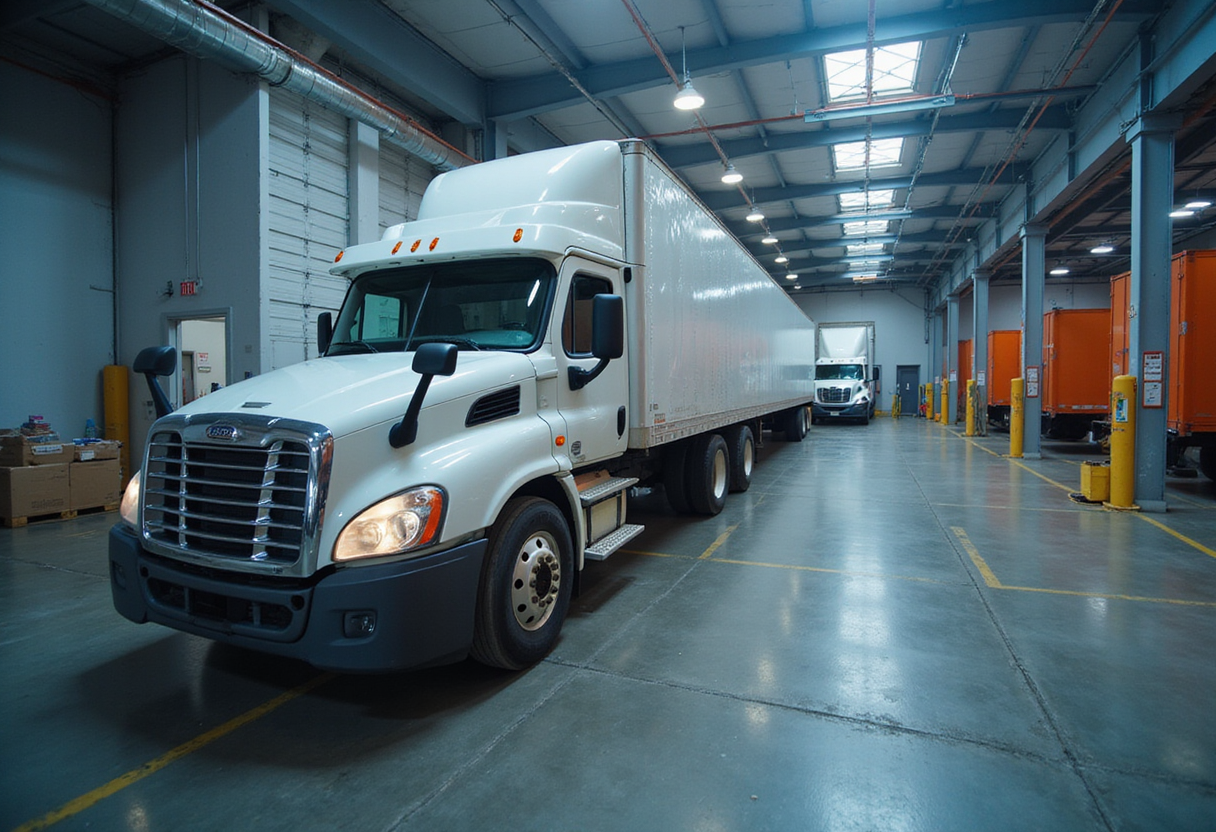
For Mexican truckers and cross-border drayage operators, that means volume and pricing turn unstable on the busiest lanes overnight. The Laredo, El Paso and Nuevo Laredo corridors — the spine of Mexico-to-U.S. auto freight — see day-rate moves whenever tariff news breaks. Capacity pulls one way, then the other, depending on which vehicles or components qualify for exemption.
Forwarders face a different problem. Their job is locking in routings and contracted rates months ahead. When tariff policy moves on a presidential announcement rather than a published schedule, those contracts turn into risk. Shippers ask for shorter quote windows, more routing options, more rerouting clauses. Margins on cross-border auto freight compress.
What changes for rail and ocean carriers?
Rail isn't insulated. Kansas City Southern de México (KCSM), now part of CPKC, moves a meaningful share of finished vehicles and auto parts across the border at Laredo. Union Pacific and BNSF handle the U.S. side. Tariff shifts change cycle times, dwell, and whether a finished vehicle goes by rail or gets bumped onto a truck for faster turnaround.
Ocean matters too. Veracruz and Manzanillo move auto parts feeding northern assembly plants. If the tariff regime pushes sourcing to Asia or to U.S. domestic suppliers, inbound TEU into Mexican Pacific and Gulf ports could soften. If producers double down on North American content, those same ports could see stronger inbound flows of components from China, Japan and South Korea.
What does the ruling change for warehouses?
Mexican 3PLs and warehouse operators near the border see demand spike when tariffs create "inventory in transit" — vehicles and parts that are technically finished but commercially stalled. That burns warehouse space, raises rents, and pulls labor into temporary holding rather than active distribution.
The MEXICONOW piece is short on hard numbers. It flags the reshape but doesn't lay out tariff percentages, exemption lists, or company-level volume shifts. That gap matters. Until the duty schedule locks, shippers can't price contracts, carriers can't redeploy fleets, and ports can't sequence capacity.
Where does this go next?
Expect the next move to come from Washington rather than Mexico City. U.S. Trade Representative actions, alongside Commerce Department rulings on auto-part content thresholds, will decide whether the reshape settles into a new steady state — or keeps shaking logistics plans every six weeks.
Source: Google News: tariffs and supply chain
More from Tom Whitfield
Show full bio
Market editor covering companies, deals and strategy in Ocean and air freight, container shipping at Waybill Wire.
423 articles
Related05
Mexico's trucker drought tightens cross-border drayage
US-Mexico Trade Review Slips As Auto Rules, Metal Tariffs Dominate
Nearshoring demand outruns tightening US-Mexico truck capacity
Mexico Auto Exports Fall 12% in September as US Tariffs Bite
Mexico Air Cargo Rises 4.7% as US Trade Tightens the Corridor