WW/OCEANFREIG
Turkon Line Takes Delivery of 4,000-TEU Multi-Fuel Newbuild
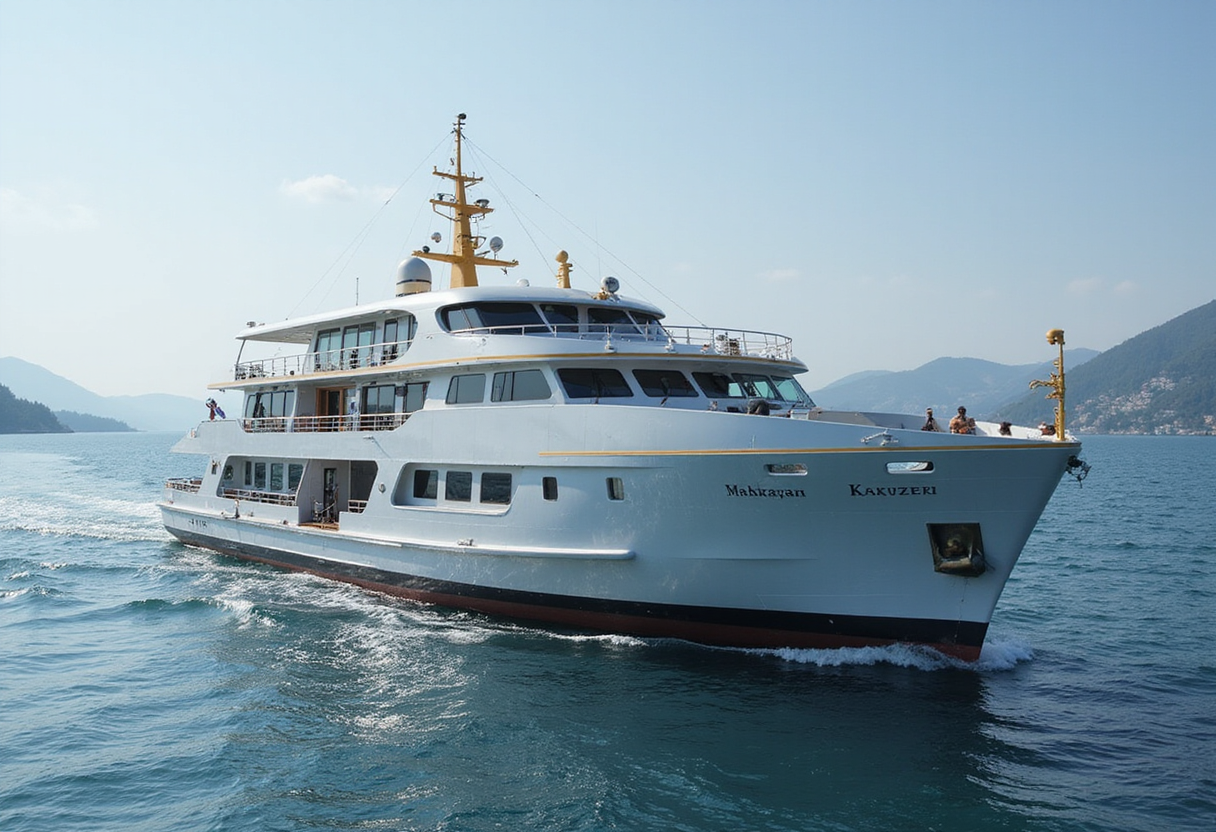
Turkon Line has taken delivery of the Kaşif Kalkavan, a 4,000-TEU multi-fuel newbuild, adding flexible mid-size capacity to its Mediterranean-focused fleet.
- Desk
- Ocean Freight
- By
- Tom Whitfield
- Filed
- Length
- 579 words
- Read
- 3 min
Key points04
- Turkon Line has taken delivery of the 4,000-TEU newbuild Kaşif Kalkavan
- The vessel features multi-fuel propulsion capability
- The delivery was detailed in a Baird Maritime vessel review
- The 4,000-TEU size class sits in the under-ordered feeder-to-midsize band
Turkon Line has taken delivery of the Kaşif Kalkavan, a 4,000-TEU container newbuild with multi-fuel propulsion capability, according to a vessel review published by Baird Maritime. The acquisition gives the Turkish operator one of the more flexible mid-sized hulls now trading in its segment.
The number matters before the name does. A 4,000-TEU ship sits squarely in the feeder-to-midsize band that carries intra-regional cargo, Mediterranean and Black Sea feeder loops, and secondary trade lanes the mega-alliances don't touch. That band has seen the least new ordering of any size class over the past decade, which is precisely why tonnage there ages fastest and why a modern, fuel-flexible insertion stands out.
What does multi-fuel actually buy an operator?
It buys optionality. Ships rated for multiple fuels can switch between conventional very low sulphur fuel oil, marine gas oil, and alternative fuels as pricing and regulation shift. For a mid-size operator, that flexibility is a hedge rather than a marketing line. Fuel is the largest single operating cost on most voyages, and the spread between compliant fuel grades has swung wildly since IMO 2020.
It also future-proofs the hull against tightening emissions rules. The International Maritime Organization's carbon-intensity framework steps down requirements year by year, and older tonnage in the 3,000-to-5,000-TEU range struggles to keep pace. A newbuild that can burn cleaner fuel from day one extends its commercial life beyond what a single-fuel sistership could expect.
Why Turkon, why now
Turkon Line operates from Turkey, a country whose box volumes have grown on the back of manufacturing relocation and Black Sea-Med connectivity. Adding modern capacity lets the carrier defend slots on routes where chartered, elderly feeders dominate the supply side. When charter owners push rates up because suitable ships are scarce, an owned newbuild resets the operator's cost base.
There's a competitive angle too. Turkish carriers have been quietly upgrading fleets while much of the industry's ordering attention went to 15,000-TEU-plus units. The mid-size segment is where regional carriers live or die, and it's the segment where a single efficient vessel can shift the economics of an entire loop.
Baird Maritime's review of the vessel details its technical fit-out, the reference point for operators weighing similar orders. The vessel review format, long a staple of the maritime press, exists precisely because ship descriptions tell the market what's achievable at a given price point.
What does this change for shippers and forwarders?
In the near term, very little on rates. One ship doesn't move a market. But it signals where mid-size capacity is heading: newer, cleaner, and increasingly owned rather than chartered by regional carriers. Shippers on Turkish and Mediterranean intra-regional lanes gain a marginally more reliable unit of capacity, and forwarders gain a counterparty whose cost base is less exposed to charter-rate spikes.
For carriers watching from the sidelines, the message is starker. The 4,000-TEU orderbook remains thin relative to the fleet's age profile, and every multi-fuel delivery tightens the technical bar for the ships that remain. Expect more regional operators to follow the same template — mid-size, multi-fuel, owned — as older charter tonnage prices itself out of compliance.
The Kaşif Kalkavan's entry into service marks a small but legible data point in that trajectory.
Source: Google News: container shipping
More from Tom Whitfield
Show full bio
Market editor covering companies, deals and strategy in Ocean and air freight, container shipping at Waybill Wire.
441 articles
Related05
Germany, Austria and Luxembourg launch €2.1 billion eSAF scheme
Erasmus Shipinvest doubles down on feeders with two more 1,900 TEU orders
Contships Bets on China With Up to 30 Feeder Newbuilds
Akrotiri doubles suezmax orderbook at New Times with $84.4m newbuild
Smaller Boxships Win Reader Favour in Newbuild Ordering Shift