WW/OCEANFREIG
Trump Extends Jones Act Waiver 90 Days as 90 Million Barrels Move on Foreign Ships
Trump extended the Jones Act waiver 90 days from Nov. 16, keeping foreign-flagged ships moving 90 million barrels of U.S. coastal cargo as fuel costs stay politically charged.
- Desk
- Ocean Freight
- By
- Elena Vasquez
- Filed
- Length
- 656 words
- Read
- 3 min
Key points05
- Trump extended the Jones Act waiver by 90 days effective 12 a.m. Nov. 16, closing the gap before the prior waiver expired.
- 90 million barrels of products, mostly refined fuels, have moved between U.S. ports on foreign vessels since March.
- 338 foreign-flagged voyages have occurred since March, per Cato Institute analysis of government data.
- California received 23 million barrels under the waiver versus 8 million barrels in the same period last year.
- The current waiver has enabled about 13 million barrels, over a third gasoline and about 28% crude oil.
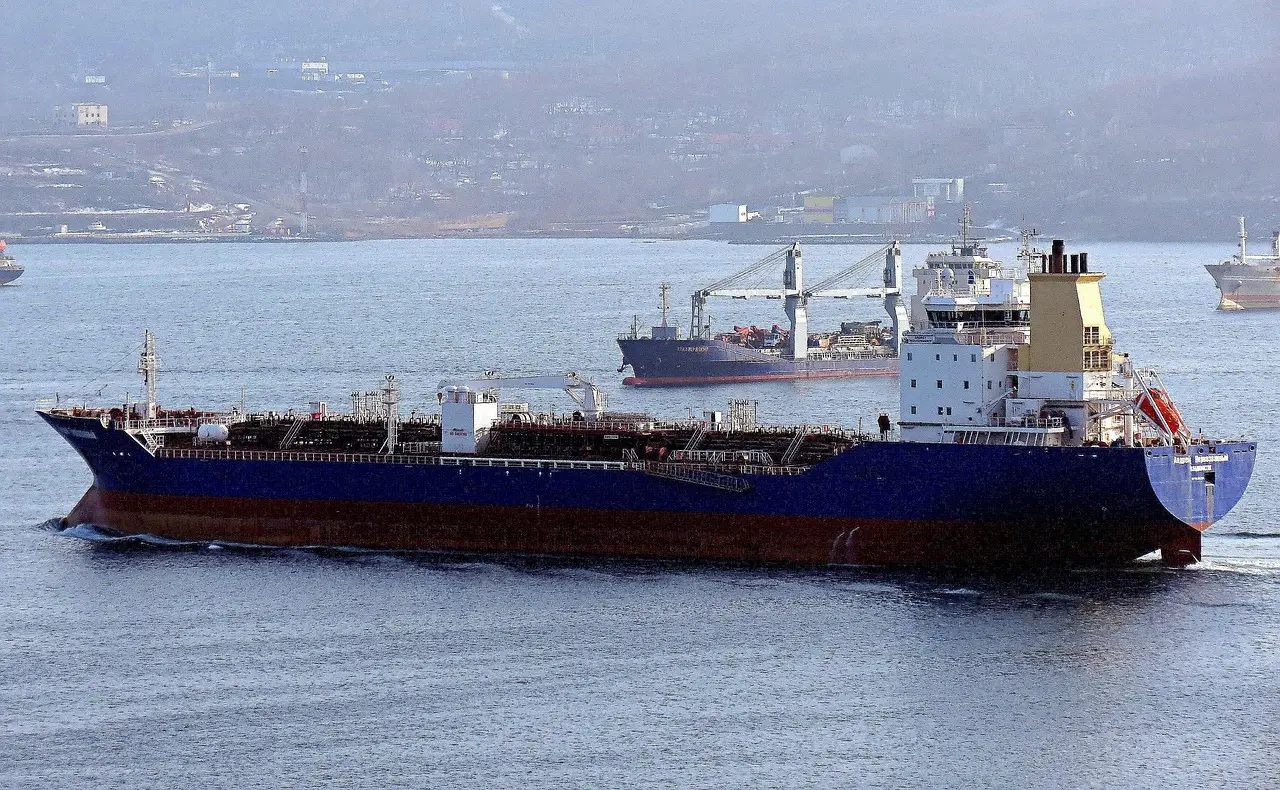
Some 90 million barrels of refined products, crude and other commodities have moved between U.S. ports on foreign-flagged ships since March — and President Donald Trump has just extended the waiver that made it possible by another 90 days.
The extension takes effect at 12 a.m. on Nov. 16, closing a gap that would have opened just two days later when the previous waiver expired, according to a White House official who spoke on condition of anonymity ahead of the public announcement. The move renews the longest and broadest suspension of the century-old Jones Act in more than seven decades.
The Jones Act normally requires cargo moving between U.S. ports to travel on American-owned, U.S.-flagged and U.S.-crewed vessels. Trump first waived those mandates in March as energy markets reeled from the war in Iran, and the administration has now renewed the relief twice as fuel costs remain a political liability.
What has the waiver actually moved?
The numbers are material for coastal petroleum logistics. Government data analyzed by the Cato Institute show 338 voyages by foreign vessels since March, including Texas crude shipped to Pennsylvania and propane delivered to Puerto Rico.
California has absorbed the bulk of the flows. The state received 23 million barrels of additional products during the waiver period, up from 8 million barrels over the same stretch a year earlier, the White House official said.
Under the current waiver alone, roughly 13 million barrels have moved, and gasoline dominates the mix:
- More than a third of the volume has been gasoline
- About 28% has been crude oil
- Refined fuels make up most of the 90-million-barrel cumulative total
- Jet fuel, naphtha, LNG, soy oil and fertilizers also qualify
For shippers and traders, the practical effect is cheaper and faster repositioning of fuel between Gulf, Atlantic and West Coast markets. Oil and chemical companies told the administration the waiver has let them move crude, fertilizer and other cargoes efficiently between U.S. ports at lower cost — a counterweight to supply disruptions from the Iran war and refinery damage in Russia.
Why did Trump extend it now?
Politics played a visible role. The renewal came after Democrats trounced Republicans in the November midterm elections, which voters dominated with concerns about the cost of living. High energy prices remain a sensitive file for the White House, and letting the waiver lapse two days after an expiration deadline would have handed traders a fresh supply headache heading into winter.
Trump did not widen the relief back to its original scope, however. In August he narrowed the waiver to require case-by-case reviews, and that structure stays in place: the U.S. Maritime Administration must be consulted on the availability of compliant U.S.-flagged, U.S.-owned and U.S.-operated vessels before an exemption applies to any individual voyage.
That procedural hurdle has already dented usage. The waiver's use has shrunk since Trump limited its scope in August, a signal that MARAD consultation is functioning as a throttle rather than a rubber stamp.
Who is unhappy?
Shipbuilders and their allies on Capitol Hill fought the extension. They argue the repeated waivers undercut protectionist mandates they consider critical to rebuilding domestic shipbuilding capacity — the same industrial base the Jones Act has sheltered since 1920.
The shipping industry itself is split along predictable lines. Domestic shipbuilders lose potential hull demand every quarter the waiver runs; refiners, chemical producers and propane exporters gain cheaper coastal transport. Previous presidents granted only discreet, voyage-specific waivers after hurricanes and pipeline outages, keeping the law's protectionist core intact.
For forwarders and tanker operators, the next pressure point is the new expiry in mid-February. Unless fuel markets normalize or the Iran-related disruptions fade, traders should expect the administration to face the same extension decision again — with shipbuilding advocates likely to push harder for a sunset each time.
Source: ttnews.com
More from Elena Vasquez
Show full bio
News editor covering people, launches and day-to-day practice in Ocean and air freight, container shipping at Waybill Wire.
867 articles
Related05
White House Set to Extend Jones Act Shipping Waiver
Nine Unions Accuse Administration of Broken Jones Act Waiver Oversight
Jones Act Waiver Cost Industry $2.6bn in Delayed Investment, AMP Says
Jones Act Waiver Under Fire: $40M in Unrecorded Foreign Tanker Moves
LA/LB Strike Deadline Pushed to November 20 as Transpacific Rates Hold Near Peak