WW/OCEANFREIG
TFG Marine adds nine Venezuelan port locations to bunkering map
Singapore-based TFG Marine will offer VLSFO, LSMGO and HSFO at nine Venezuelan port locations, using Impordiesel tankers and ship-to-ship services to widen regional supply.
- Desk
- Ocean Freight
- By
- Marcus Bennett
- Filed
- Length
- 832 words
- Read
- 4 min
Key points05
- Three fuel grades—VLSFO, LSMGO and HSFO—will be offered at nine named Venezuelan port locations.
- Impordiesel will handle physical deliveries through tankers and ship-to-ship bunkering.
- TFG Marine is a Singapore-based joint venture between Trafigura and tanker owners Frontline and CMB.Tech.
- La Guaira is identified as Venezuela's largest port in the coverage list.
- No launch date, price, volume or capacity change was disclosed.
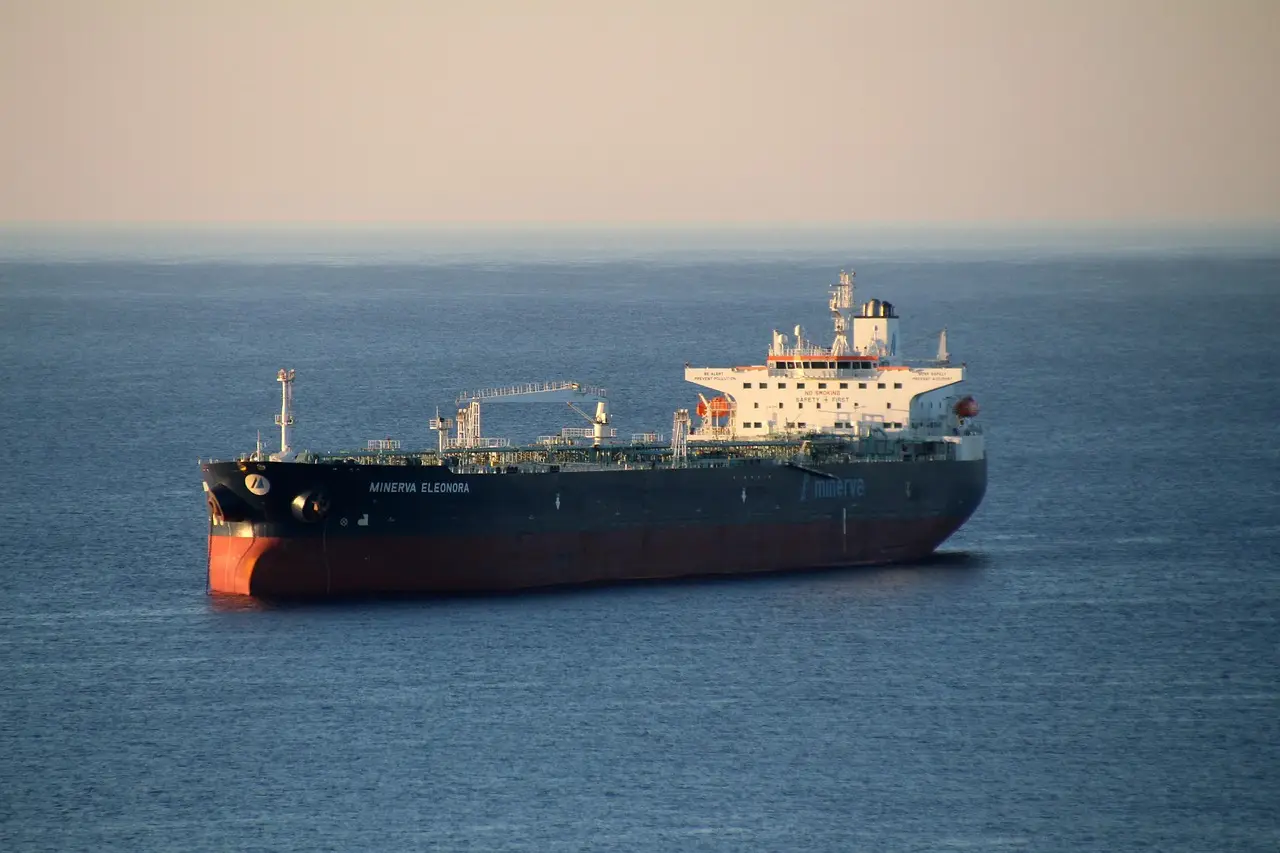
TFG Marine will offer three marine bunker grades at nine named Venezuelan ports and coastal locations, with physical deliveries handled by local bunker supplier Impordiesel.
The Singapore-based global supplier said VLSFO, LSMGO and HSFO will be available at Amuay, Puerto La Cruz, La Guaira, Guanta, Maracaibo, Puerto Cabello, El Guamache, José and the Boca de la Serpiente area. The announcement identifies La Guaira as Venezuela’s largest port.
No start date, bunker price, minimum order, delivery schedule or contracted volume accompanied the announcement. That leaves shipowners and their fuel buyers without a quantified basis for calculating cost changes. The immediate claim concerns market access and delivery coverage, not a disclosed increase in capacity or a published rate move.
The arrangement marks TFG Marine’s entry into Venezuela. TFG Marine called the plan a “significant operational extension” in Latin America, adding access to what it calls vital energy shipping routes and major South American refining hubs.
TFG Marine is a joint venture between Trafigura and tanker owners Frontline and CMB.Tech. The announcement does not disclose the partners’ ownership percentages, the division of commercial responsibilities or how much fuel each side intends to move.
What changes for vessel operators?
TFG Marine supplies the fuel, while Impordiesel handles physical deliveries in Venezuela. Impordiesel’s website says it provides direct bunker deliveries at ports by tankers and ship-to-ship bunkering services.
For operators, the practical addition is a second delivery format alongside tanker supply: ships can use ship-to-ship bunkering in addition to tanker-delivered fuel. The announcement does not specify whether both methods will be available at every listed location or how much notice each requires.
TFG Marine said the partnership gives vessel operators navigating the southern Caribbean and northern South American coasts greater “logistical flexibility.” That is the principal commercial benefit: more potential fuel-supply and delivery options around ports serving those routes.
Yet added supplier choice does not automatically mean lower bunker costs. Without product-level pricing, inventories or contracted volumes, a carrier cannot determine whether the arrangement changes a voyage’s fuel bill or whether it merely improves access when regular supply is constrained.
Why does local execution matter?
TFG says Impordiesel brings local operational expertise that will streamline stem coordination in a region historically characterized by complex regulatory and infrastructural landscapes. The claim identifies the intended commercial rationale, but it remains untested because no service-level data are provided.
For shippers, any effect will be indirect. If the network improves fuel availability, it can support vessel availability and routing decisions, yet the announcement provides no evidence of changes in cargo capacity, sailing times, port dwell or freight rates. For carriers and vessel managers, the relevant question is whether local execution shortens the time between ordering and receiving fuel.
For freight forwarders, the arrangement should be treated as a vessel-operating input rather than a cargo-handling development. It could inform vessel-cost assessments on Caribbean and northern South America services, but it supplies no figures for revising quotations or budgets.
Can buyers quantify the benefit?
The announcement does not allow buyers to calculate the benefit. It gives a nine-location coverage map, three fuel grades and two delivery methods—tanker and ship-to-ship—but no price per metric ton, annual volume, available inventory or percentage change in capacity. It also provides no launch date or port-by-port product matrix.
That omission matters because a broader footprint can be commercially useful without changing the market balance. A carrier gains procurement optionality; it does not follow that total supply, competition or rates will move.
Regulatory and infrastructure conditions are described as complex, but the announcement does not quantify them. Buyers therefore have no disclosed lead time, documentation process, credit term or contingency plan against which to test operational continuity.
Nor does the announcement explain how TFG Marine, Trafigura, Frontline, CMB.Tech and Impordiesel will share liability for fuel quality, delivery failure or vessel delay. That may sit outside the announcement, but it remains relevant to a shipowner deciding whether to use the network.
The partnership’s structure gives the expansion potential depth: a global fuel supplier and tanker owners connect with an on-the-ground delivery company. It does not, by itself, demonstrate that nine locations will operate at the same service standard or carry the same grades.
What should the market watch next?
Four items would turn the announcement into a measurable operating development: a start date; confirmation of VLSFO, LSMGO and HSFO at each named port; tanker and ship-to-ship lead times; and contracted or expected liftings. Any published bunker pricing would then allow shipowners to test whether the network changes local rates.
Until those data appear, the defensible conclusion is narrower: the announced network covers nine Venezuelan port locations and names Impordiesel as the physical delivery partner. Whether the plan produces lower costs, steadier supply or additional effective capacity depends on execution under the regulatory and infrastructure constraints the company itself has flagged.
Source: seatrade-maritime.com
More from Marcus Bennett
Show full bio
Senior reporter covering regulation, policy and their impact on Ocean and air freight, container shipping at Waybill Wire.
788 articles
Related05
Trafigura buys seven SFL tankers, books $175M gain as reroutings lift values
DP World Signs Corpus Christi Lease Option for 1 Million TEU Terminal
Axpo delivers first containership LNG bunkering in Valencia
U.S. Sanctions Trap Five Cuban-Flagged Tankers in Energy Crackdown
Venergy doubles VLCC order at Hengli to four supertankers