WW/TRUCKINGRA
Texas Bills Take Aim at Cartel Fuel Trafficking Worth Up to $21bn
Cartels earn up to $21bn a year moving tax-free fuel in overweight tankers. Two Texas bills, backed by DPS testimony, would make hazmat weight violations a felony.
- Desk
- Trucking & Rail
- By
- Tom Whitfield
- Filed
- Length
- 860 words
- Read
- 4 min
Key points05
- Fuel trafficking generates cartels $12bn-$21bn annually, per Texas DPS testimony
- Senate Bill 167 would make hazmat weight violations by three-axle tankers a felony
- Trafficking tankers have been found weighing 150,000 lbs against an 80,000-lb general limit
- Texas 90th Legislature convenes Jan. 12; prefiling opened Nov. 9
- FinCEN's June 30 alert said most complicit U.S. fuel traders operate in Texas
Fuel trafficking hands Mexican cartels between $12 billion and $21 billion a year, and Texas lawmakers have filed two bills for the 2027 session to cut that revenue off at the road.
Prefiling opened Nov. 9 ahead of the 90th Texas Legislature, which convenes Jan. 12. The proposals follow nearly four hours of testimony before the Senate Select Committee on Homeland and Border Security on Aug. 13, where state police and transportation experts laid out how the scheme works — and why existing traffic law can't stop it.
What do the bills actually change?
State Rep. Ryan Guillen (R) backs House Bill 245, which would let the city of Roma issue an optional permit for moving oversize or overweight vehicles on several Starr County roads along the Rio Grande.
State Sen. Brent Hagenbuch (R) — owner and chairman of Titus Transport, a dedicated freight carrier for food retailers — has introduced Senate Bill 167. It would make it a felony for a three-axle vehicle to exceed authorized weight limits while hauling fuel or other hazardous materials in cargo tanks.
That felony threshold matters. Committee Chair Sen. Phil King said at the hearing that traffickers routinely "add weight significantly exceeding the 125,000-pound authorized permit for overweight corridors, creating serious public risks on our roads."
How the scheme works
The Texas Department of Public Security laid out the mechanics:
- Empty Mexican tanker trucks — three-axle vehicles able to carry up to 125,000 pounds — enter Texas and buy fuel tax-free because it's designated for export.
- Operators obtain overweight permits to haul the fuel on designated corridors toward Mexico.
- Trucks leave permitted routes for clandestine fuel sites, sometimes using private roads and bridges to dodge law enforcement.
- Fuel is transferred between vehicles or storage facilities, often blended with lower-grade products, then loaded beyond permitted weight and run under the original permit.
- Trucks return toward the border on overweight corridors or other roads.
- Paperwork and hazmat placards are frequently falsified to disguise fuel as propane and avoid Mexican import taxes.
King described the variations plainly: "Fuel trafficking can take many forms, including overloading fuel tankers beyond permitted weight limits, fabricating saddle tanks onto trucks to deceive law enforcement or transporting fuel in industrial water containers using cargo trucks."
The public safety angle is concrete. Hazmat trucks that should stay on designated routes instead cut through residential streets near churches, schools and community centers.
Why the money is so good
Mexico lacks refining capacity, so its motorists pay more than Americans — as much as three times more for diesel, testified Col. Freeman Martin, director of the Texas DPS. "The price gap creates a huge financial incentive for [fuel traffickers]," he said.
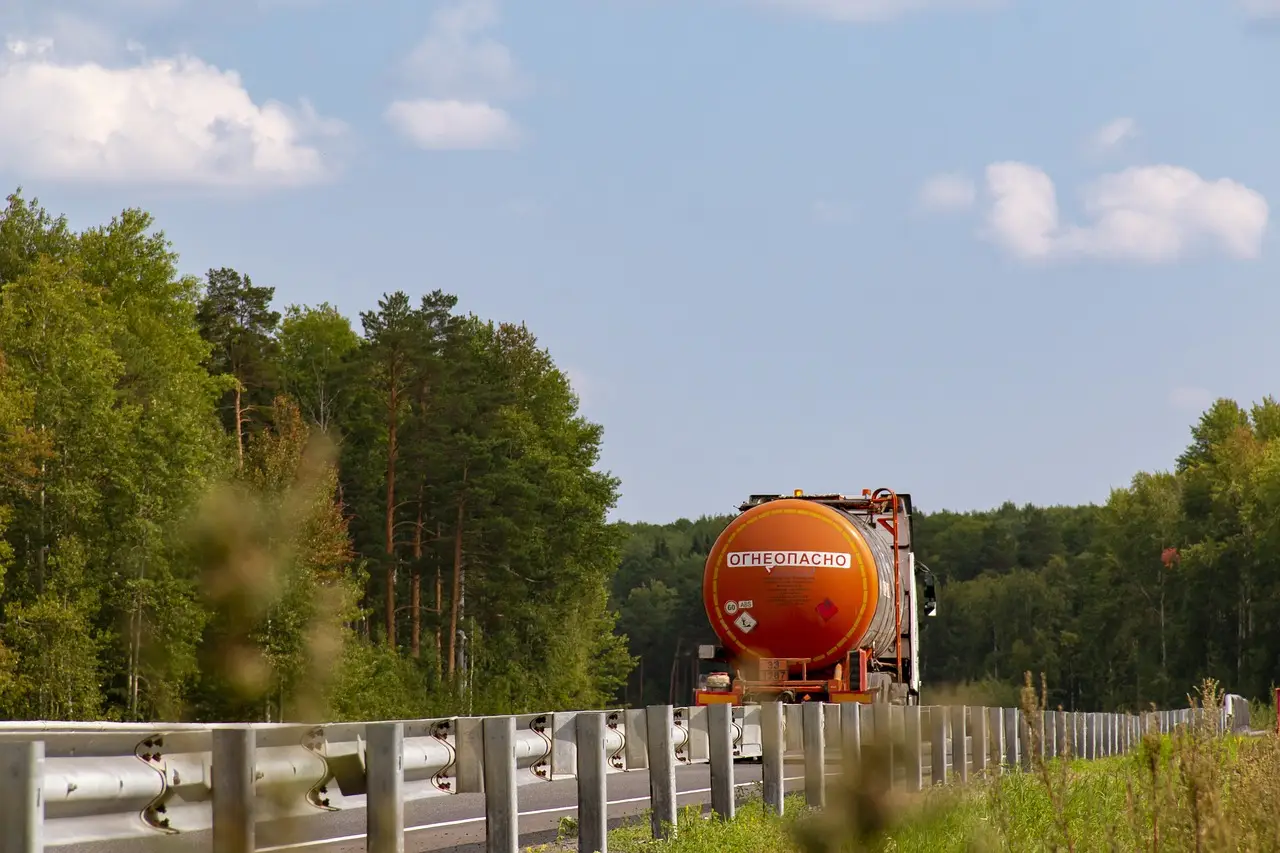
The weight abuse is stark. U.S. trucks are generally limited to 80,000 pounds, but tankers in trafficking operations have been found weighing up to 150,000 pounds.
Enforcement has been hamstrung because Texas historically treated fuel smuggling into Mexico as a traffic code violation. Martin argued that approach misses the point.
"These are outlaw companies. They'll transition. They'll start a new LLC, they'll change the name on the truck. They'll plug in another driver. And so we really have to look at this differently," Martin said. "I think our shift in focus is that we really have got to focus on U.S. companies that are doing business with cartels."
The Treasury Department's Financial Crimes Enforcement Center flagged exactly that in a June 30 alert on cartel fuel smuggling and tax evasion involving U.S. fuel exporters. FinCEN noted most complicit U.S. fuel traders operate in Texas, hold legitimate businesses and maintain long-standing relationships with major U.S. refineries and fuel distributors.
What does this mean for carriers?
The industry isn't fighting the crackdown. John Esparza, president and CEO of the Texas Trucking Association, told Transport Topics on Nov. 16 that the Senate committee's vice chair, Sen. Juan "Chuy" Hinojosa, has been instrumental in advancing legislation against unlawful fuel transportation.
"For the trucking industry and TXTA, safety must come first, so it is incredibly important for us as an association to work to do what's right. TXTA supports expanding cross-border trade, but not at the expense of Texas' safety standards," Esparza said.
He acknowledged similar legislation failed last session. "We anticipate similar proposals in 2027 and will remain vigilant in protecting the integrity and safety of our roadways," he said.
On the federal side, Sens. Jacky Rosen (D-Nev.) and John Cornyn (R-Texas) introduced the bipartisan Stop Fueling Cartel Violence Act in May. It would require the Department of Defense to report to Congress on efforts to deter Mexican criminal groups from fuel smuggling. "Fuel theft in Mexico has become the most significant source of nondrug revenue for cartels, enabling them to sustain their illegal operations on both sides of the border, and we must take action to combat it," Rosen said.
With the Legislature convening Jan. 12 and a second bite at legislation that died last session, carriers running hazmat and cross-border fuel lanes should expect tighter weight enforcement — and felony exposure — by 2027.
Source: ttnews.com
More from Tom Whitfield
Show full bio
Market editor covering companies, deals and strategy in Ocean and air freight, container shipping at Waybill Wire.
931 articles
Related05
US trucking crackdown stokes fears of border freight disruptions
US-Mexico Trucking Crackdown Risks Border Delays, Carriers Warn
House bill proposes $100K daily cabotage fines, English tests for CDLs
B-1 Visa Rules for Foreign Truckers: What Changed and Why It Hits Rates
Texas Carrier Owner Indicted Over 57 Visa Drivers, $299,606 Saved