WW/AIRCARGO
Taoyuan cargo backlog strains carriers as inbound capacity rises 20%
Inbound Taiwan widebody capacity rose 20% from Oct. 29 to Nov. 4, but uncollected AI equipment clogged Taoyuan warehouses, consumed dollies and slowed China Airlines, EVA Air and Starlux handling.
- Desk
- Air Cargo
- By
- Tom Whitfield
- Filed
- Length
- 692 words
- Read
- 3 min
Key points05
- Inbound Taiwan widebody freighter capacity rose 20% from Oct. 29 to Nov. 4.
- Narita-Taipei added about 1,000 tonnes, up 49%, while Shanghai Pudong added 595 tonnes, up 76%.
- Outbound Taiwan-US widebody capacity rose 4%, while China Airlines capacity fell 8%, or 263 tonnes.
- Seko’s Nov. 4 advisory followed Nov. 2 notices from China Airlines, EVA Air and Starlux.
- Freight from early September remained in Taoyuan’s GHA warehouse, contributing to a dolly shortage.
By Tom Whitfield
Inbound widebody freighter capacity to Taiwan rose 20% in the week from Oct. 29 to Nov. 4, compared with the preceding seven days, even as uncollected AI and semiconductor equipment imports tied up handling capacity at Taiwan Taoyuan Airport.
What is clogging Taoyuan?
Seko Logistics reported handling pressure affecting China Airlines, EVA Air and Starlux. Its Nov. 4 advisory said the three airlines issued notices on Nov. 2 warning that increased import volumes were straining staff, dollies and handling capacity at Taoyuan.
Seko warned of delays in cargo breakdown and build-up, longer export-processing times and changes to shipment departure schedules. It also reported notifications of selected China Airlines cancellations, including US-bound freighter services, but did not identify the flights or establish whether congestion caused the cuts.
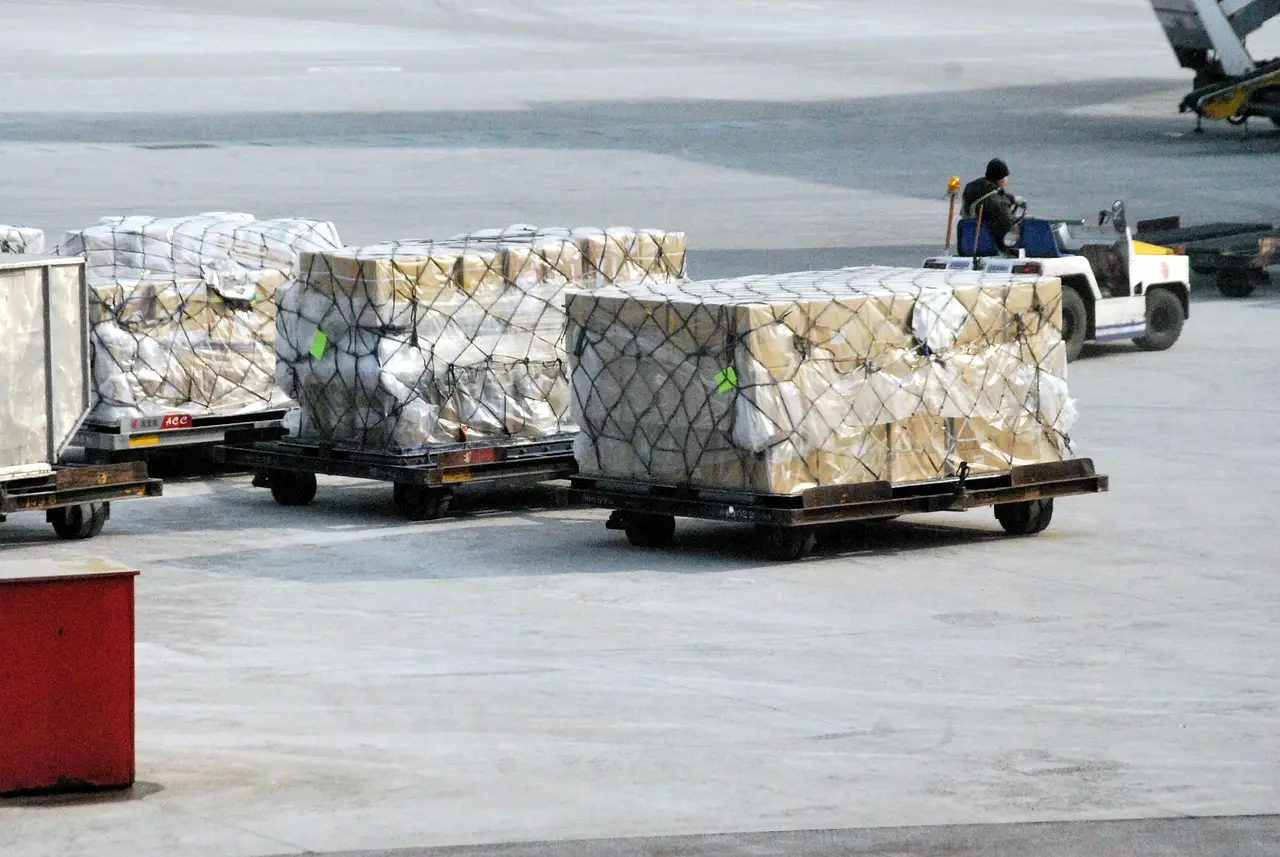
Local forwarders said uncollected imports had filled GHA warehouses and left arriving freight sitting on scarce dollies needed to unload aircraft and move cargo to ground handlers for breakdown. One forwarder told The Loadstar: “Reminds me of Covid days.”
The collection backlog reaches back to early September. Freight from that period was still in the GHA warehouse, according to one forwarder. Because the warehouse could not accept more cargo, arriving freight remained outside on dollies, creating a knock-on shortage for newly landed shipments.
The problem centered on the China Airlines warehouse, leaving China Airlines services most affected. It then spread to the bridge between the main terminal and the GHA, where loaded dollies blocked the route and slowed other GHA cargo.
The forwarder linked the build-up to a surge in equipment imports supporting AI and semiconductor manufacturing, as well as AI-related services, while factories ramped up production. Another possible explanation was that incoming equipment reached Taiwan before facilities intended to receive it were ready.
“We are not 100% sure why customers are not collecting the freight, but we understand this also stems from the customers’ manufacturing facilities not being ready to take on this equipment yet. So, the whole supply chain is backlogged,” the forwarder said.
How much capacity changed?
Rotate data showed that the 20% rise in inbound widebody capacity followed a 15% decline in the previous week, making the latest period a rebound. The largest lane increases, measured against the preceding seven days, were:
- Narita-Taipei: about 1,000 additional tonnes, up 49%.
- Shanghai Pudong: 595 additional tonnes, up 76%.
- Hong Kong: 572 additional tonnes, up 20%.
- Los Angeles-Taipei: 519 additional tonnes, up 66%.
Outbound Taiwan-US widebody freighter capacity rose 4% over the same comparison. Within that total, China Airlines’ capacity fell 8%, or 263 tonnes, while EVA, UPS and Atlas recorded increases.
Those figures put the Taoyuan disruption alongside growth in overall US-bound lift rather than a general contraction in capacity. More available widebody freighters did not, however, remove the local bottleneck: warehouses were full, consignees were not collecting and dollies were tied up outside.
What does this change for shippers and carriers?
For shippers, the practical change is less predictable cargo release and onward processing at Taoyuan. Seko’s warnings point to slower breakdown and build-up, longer export processing and changed departure schedules, with China Airlines-linked shipments carrying the greatest reported handling risk.
For airlines and ground handlers, the issue is not simply whether aircraft arrive; it is whether landed equipment can leave the aircraft and enter a warehouse with space. That constraint slows unloading, immobilizes dollies and limits handling despite wider widebody schedules. Selected China Airlines US-bound freighter cancellations add uncertainty, although no causal link to congestion has been established.
For forwarders, consignee collection and manufacturing-site readiness have become gating variables when promising delivery. The early-September backlog shows how a delayed factory pickup can consume airport capacity, turn equipment into a handling shortage and force airlines to adjust schedules.
If AI and semiconductor equipment imports continue at the current pace while receiving facilities remain unprepared, dollies and warehouse space should stay tight, extending build-up delays and schedule disruption into the next freight cycle. The clearest route to easing pressure is faster collection of the early-September backlog as new equipment continues to arrive.
Source: The Loadstar
More from Tom Whitfield
Show full bio
Market editor covering companies, deals and strategy in Ocean and air freight, container shipping at Waybill Wire.
736 articles
Related05
Airfreight Rates Slip After Golden Week, Market Holds Firm
Asia-North America air cargo up 9.2% as tariffs redraw trade lanes
China export surge powers US container imports to fresh monthly high
Seko tells China shippers: book ocean freight four weeks out for 2027 lunar new year
Hong Kong Air Cargo Volumes Rebounded in September