WW/TRUCKINGRA
STG Logistics chief: clean balance sheet, 15,000 boxes, timing is now
New STG Logistics CEO Jack Holmes says the post-bankruptcy carrier holds 15,000 53-foot containers, 19 CFS buildings and a clean balance sheet just as capacity tightens and LTL pricing surges.
- Desk
- Trucking & Rail
- By
- James Calloway
- Filed
- Length
- 1,006 words
- Read
- 5 min
Key points05
- STG Logistics named Jack Holmes CEO in October, replacing Geoff Anderman, who led the company since 2017.
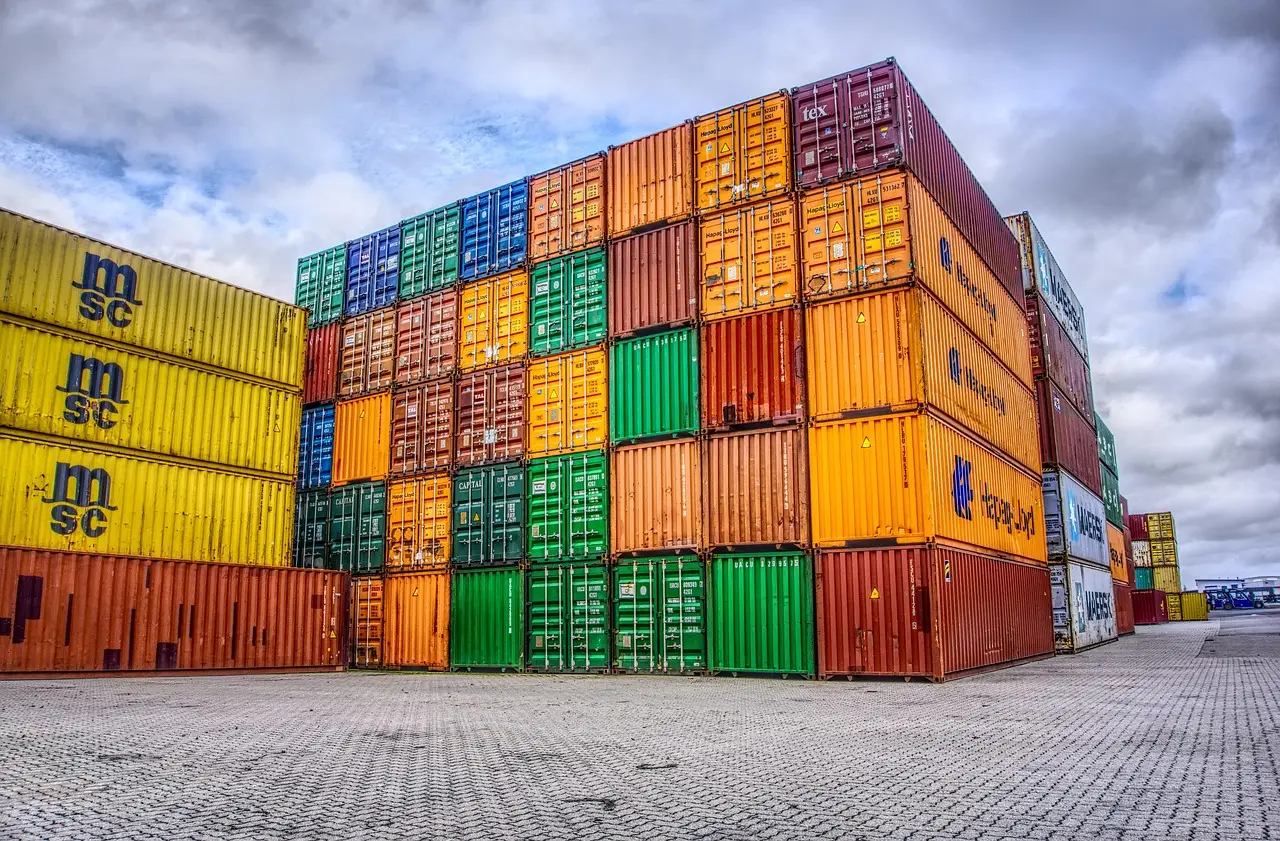
- STG owns 15,000 53-foot intermodal containers and 19 CFS buildings across the U.S.
- Deferred LTL transit runs two to three days longer than traditional LTL using intermodal line-haul.
- Vetted driver pool available to brokers has shrunk from ~15,000 to ~11,000 carriers.
- Holmes spent 37 years at UPS and led UPS Freight as president and CEO from 2006 to 2016.
STG Logistics owns 15,000 53-foot containers and operates 19 container freight station buildings across the U.S., and new CEO Jack Holmes says the Dublin, Ohio-based port-to-door provider is finally positioned to use them. The company emerged from its financial restructuring with what he calls a better balance sheet than most competitors, cash on hand, and a market swinging back toward asset owners after more than four years of shipper-friendly pricing.
Holmes took the top job in October, replacing Geoff Anderman, who had led the company since 2017 and steered it through its restructuring. The new chief is no stranger to turnaround work. He spent 37 years at UPS, starting as a part-time baggage handler and ending as president and CEO of UPS Freight from 2006 to 2016, where he oversaw the integration of Overnite Transportation into what became UPS Freight. Since retiring he has served as executive chairman of ACERTUS and Emerge and as a director of Werner Enterprises.
Why take the job?
Holmes said recruiters pitched the role bluntly: "Because it's kind of broken. It's got a team that's kind of been down on their luck. It's a big portfolio, and it's got incredible potential." At industry conferences over the past month, he said, the most common description of STG he heard was "sleeping giant" — a company that got bogged down in debt, violated covenants, and was forced into short-term thinking after ill-timed acquisitions.
That era is over, he insists. "We're almost, in some regards, like a new company," Holmes said. Customer meetings now focus on one message: the bankruptcy is in the rearview mirror, and STG can participate in RFPs with no flags attached to its name.
What changed in the market?
Driver supply issues have handed pricing leverage back to asset owners for the first time in four-plus years. Holmes said truckload customers now face a pricing delta between intermodal-capable providers and highway-only carriers that "has never been bigger." Shippers, meanwhile, are discovering loyalty cuts both ways: carriers that once treated committed loads as sacred are now not showing up or chasing higher-margin freight elsewhere.
Where will the money go?
Capex has been "very muted" for the past year-plus given the restructuring. Holmes said STG is well capitalized in hard assets — facilities, rolling stock, containers — so investment will concentrate on technology across each business unit:
- Intermodal and drayage, the connected core of the portfolio, with platform gaps to close;
- Truckload brokerage, set to grow "quite aggressively" under existing leadership;
- CFS operations, 19 large buildings positioned in North Bergen, New Jersey; Chicago; the L.A. Basin; Houston; and Savannah;
- Contract logistics, serving major retail customers;
- Deferred LTL, a product running two to three days slower than traditional LTL, using intermodal line-haul and targeting long-distance freight.
With LTL pricing having "shot through the roof," Holmes said customers who once dismissed deferred LTL are now strongly considering it on price point alone.
The sequencing matters. Before STG can sell multimodal services across business lines, it must first deliver a consistent customer experience across every product, he said. Only then does the cross-selling push begin.
How does he read the capacity picture?
Holmes expects the intermodal upswing to run as long as the four-year downcycle lasted. Even if fuel — which he frames as a prolonged "event" — corrects, the cost delta between rail and highway will persist because owner-operators hold more pricing leverage than at any point in their lives, and barriers to entry for new capacity have never been higher.
Autonomous trucks won't rescue highway capacity soon, in his view. The regulatory barriers are steep, and railroads, unions and trial attorneys all oppose it. "Who's going to go out there on a limb and say that we should have driverless trucks going up and down our highways on I-95?" he asked.
On carrier vetting, following the Montgomery ruling and C.H. Robinson's $600-plus million judgment, Holmes said the driver pool available to brokers has shrunk from roughly 15,000 to 11,000 as tainted carriers exit the industry entirely. STG met with the head of the FMCSA weeks ago and expects vigorous enforcement regardless of any change in administration. Brokers who chased price with non-vetted drivers now face cost increases; STG's brokerage, which never competed purely on cost, has had to adjust less.
What about the UP–NS merger?
STG runs solely on Union Pacific in the West — it does not use BNSF — and is predominantly CSX in the East. A UP–Norfolk Southern combination, Holmes noted, could push STG toward NS options on the East Coast, but he's keeping options open: "However we can best service our customers at the best price possible is what we're going to go with." He added that the merger process is already forcing Class I railroads to think harder about customer service, which benefits shippers regardless of the outcome.
Is the freight recession over?
Holmes points to ATA chief economist Bob Costello, who showed him a chart indicating nearly all industry growth is coming from data center buildouts, with cottage industries forming around it much like healthcare decades ago. Inventories sit at their lowest levels in 16 to 18 years, he said, because restocking is expensive and demand remains uneven.
With warehousing utilization running high per the Logistics Managers Index, and roughly 15 months since the last major natural disaster in the U.S., Holmes sees a supply shock coming: "It's not an if. It's a when." When panic restocking arrives, every intermodal asset and every truck will be consumed — and "a lot of it's not going to get moved."
On tariffs, Holmes expects nearshoring to accelerate, with the Strait of Hormuz disruption having "sent a chill up people's spines," and ultimately more freight moving domestically inside the U.S. — demand STG's port-to-door network is built to capture.
Source: logisticsmgmt.com
More from James Calloway
Show full bio
Correspondent covering companies, deals and strategy in Ocean and air freight, container shipping at Waybill Wire.
919 articles
Related05
Jack Holmes puts STG Logistics’ seven units on one growth track
UPS 'Trojan horse' theory: parcel exit could mask a 2028 strike reset
HGK Splits Operations Into Two Divisions in Rhine Corridor Push
Trailer Bridge names Caribbean trade veteran Charles Gittens as CEO
Ameriflight names Southwest veteran David Harvey as president and CEO