WW/OCEANFREIG
Stefanou brothers buy William Oldendorff for just under $50m
The Stefanou brothers paid just under $50m for the 179,120-dwt William Oldendorff, adding a 2017-built capesize to a Greek fleet as one-year charter rates reach about $35,000 a day.
- Desk
- Ocean Freight
- By
- Amara Osei
- Filed
- Length
- 699 words
- Read
- 3 min
Key points05
- Just under $50m paid for the 2017-built, 179,120-dwt William Oldendorff, one of only a handful of modern capesize transfers this year.
- The Jinhai-built vessel is the Stefanou brothers’ youngest capesize to date.
- Bright Navigation and Sea Gate Navigation together control more than 30 bulkers averaging close to 20 years old.
- Earlier this year, the brothers bought a 2009-built conventional panamax and two kamsarmaxes built in 2011 and 2017.
- The William Oldendorff could be fixed for around $35,000 per day on a one-year deal.
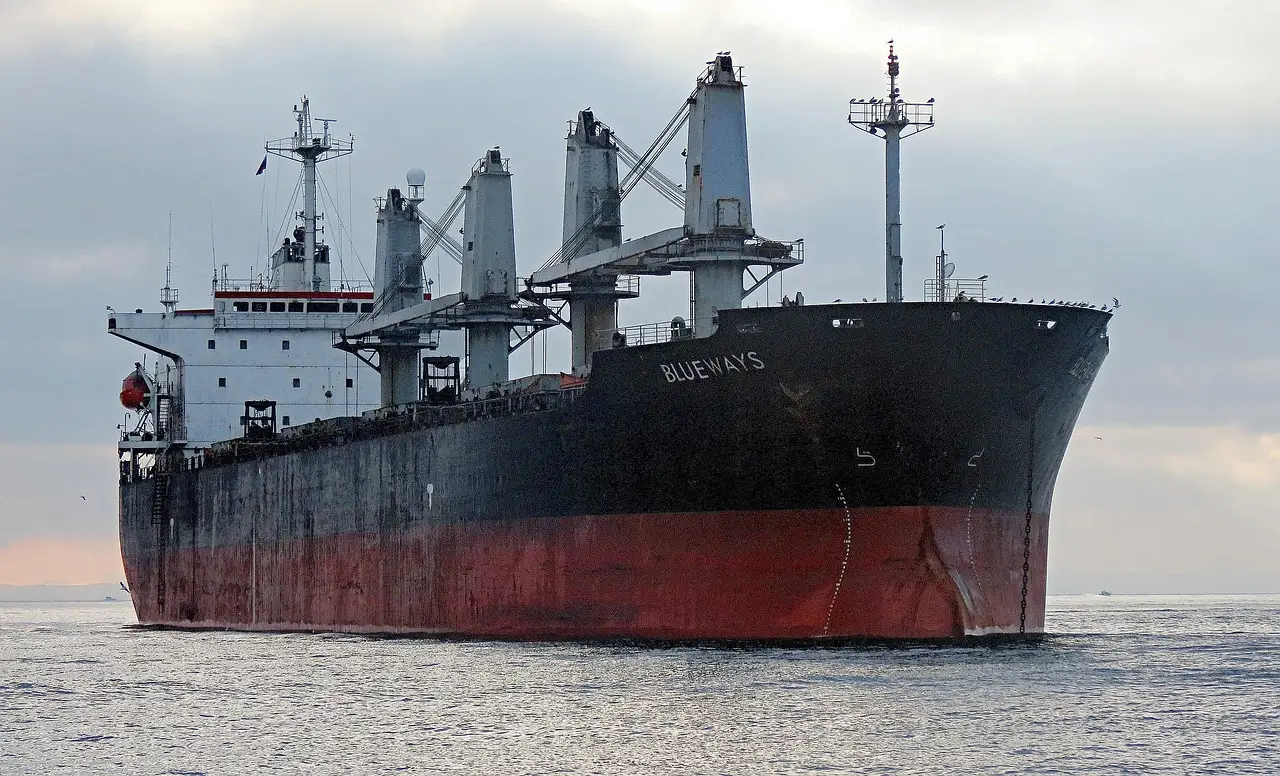
The Stefanou brothers paid just under $50 million for the 179,120-dwt William Oldendorff, their youngest capesize to date. The 2017-built vessel gives their Greek bulk fleet a rare modern large ship amid firm earnings, when it could be fixed for around $35,000 a day.
That price secured a genuinely scarce asset. Only a handful of modern capesizes have changed hands this year, and the William Oldendorff is one of them. Built by Jinhai, the ship gives the owners a younger alternative to the three older capesizes already in their fleet.
The acquisition extends a firmly committed secondhand buying campaign. Earlier this year, the brothers added a 2009-built conventional panamax and two kamsarmaxes, built in 2011 and 2017. Together, the four purchases cover three bulk-carrier classes, with every vessel built between 2009 and 2017.
Bright Navigation and Sea Gate Navigation are the two bulker arms through which the brothers operate. Combined, they control more than 30 bulkers with an average age approaching 20 years. One 2017-built ship barely moves that average, but it changes the composition of the capesize book in the right direction.
Their three existing capesizes rank among the oldest ships in the fleet. Adding the William Oldendorff therefore offers charterers a modern large-vessel option while beginning to reduce the age gap at the top of the fleet. That makes the deal a renewal play, not merely another used ship entering the fleet.
What does this change for shippers and forwarders?
Firm capesize earnings make the purchase easier to justify. The William Oldendorff could be fixed for around $35,000 per day on a one-year deal, equivalent to about $12.8 million in gross time revenue. That covers roughly one-quarter of the just-under-$50 million acquisition price before operating expenses.
At the same daily rate, four years of continuous employment would equal the purchase price on a simple, pre-cost basis. That is not a full return calculation: it leaves out operating expenses, financing and any earnings available after sale. It does show the rate sensitivity of a modern capesize bought amid firm capesize earnings.
A lower fixture would take longer to recover the outlay, while a higher rate would accelerate that arithmetic. For the Stefanou brothers, the attraction is a modern ship with a potentially valuable earnings profile while sales of modern capesizes remain limited.
For charterers, the counterpoint is practical: one modern ship does not create a large pool of alternatives. The purchase adds a vessel, not a wholesale increase in capesize capacity.
For charterers and shippers of large dry bulk cargo, the immediate change is another modern 179,120-dwt option tied to an owner expanding its newer fleet. For freight forwarders, the William Oldendorff broadens the owner-backed charter choices available when arranging large-vessel cargoes. One transaction will not transform the market, but it adds a useful renewal option.
The pressure on competing carriers comes more from the renewal pattern than from the headline price. The latest capesize extends a move that already includes a conventional panamax and two kamsarmaxes bought earlier this year. It represents a broader shift toward younger secondhand tonnage, although the combined fleet remains close to 20 years old.
For shippers, that means modestly better access to modern capesize capacity, not an immediate change in the freight-market balance. One owner’s renewal cannot by itself reset rates across the bulk market. Forwarders can still treat it as one more modern ship to include when matching owners, charterers and cargoes.
The more useful signal sits in the sequence of purchases. Four secondhand assets acquired this year, spanning conventional panamax, kamsarmax and capesize tonnage, show where the owners think fleet renewal matters. Their average fleet age still approaches 20 years, so the William Oldendorff is a step, not a reset.
The next test is whether charterers keep fixing the William Oldendorff and its peers near $35,000 a day, giving the renewal a credible path to recover its cost. With only a handful of modern capesize transactions this year, further movement in secondhand prices and one-year charter rates will make the Stefanou timing easier, or harder, to judge.
Source: Splash247
More from Amara Osei
Show full bio
Staff writer covering regulation, policy and their impact on Ocean and air freight, container shipping at Waybill Wire.
785 articles
Related05
Laskaridis Returns to Newcastlemax Market with $312m China Order
Star Bulk sells 35% stakes in two kamsarmaxes to Hermes
Capesize resale at $90m becomes 2026's priciest dry bulk deal
Non-eco suezmax Karolos fetches $90m as tanker S&P market resets
Chinese Buyers Pay $35m for Capesize Ekaterini V as Dry Bulk Bids Firm