WW/OCEANFREIG
Star Bulk completes first phase of Kamsarmax newbuild programme
Star Bulk has received three 82,000 dwt Kamsarmax sisters from CM Qingdao, completing a five-vessel newbuild series and lifting its fleet to 138 ships totalling 13.8 million dwt.
- Desk
- Ocean Freight
- By
- Elena Vasquez
- Filed
- Length
- 524 words
- Read
- 3 min
Key points05
- Star Bulk took delivery of three 82,000 dwt Kamsarmax sisters: Star Argyro, Star Aline and Star Irene.
- The deliveries complete a first series of five sister Kamsarmes ordered at CM Qingdao Shipyard in China.
- The ships feature scrubbers and shaft generators to improve energy efficiency.
- Star Bulk's fleet now counts 138 dry bulk carriers totalling 13.8 million dwt.
- The company has returned $2.1 billion to shareholders over the past five years.
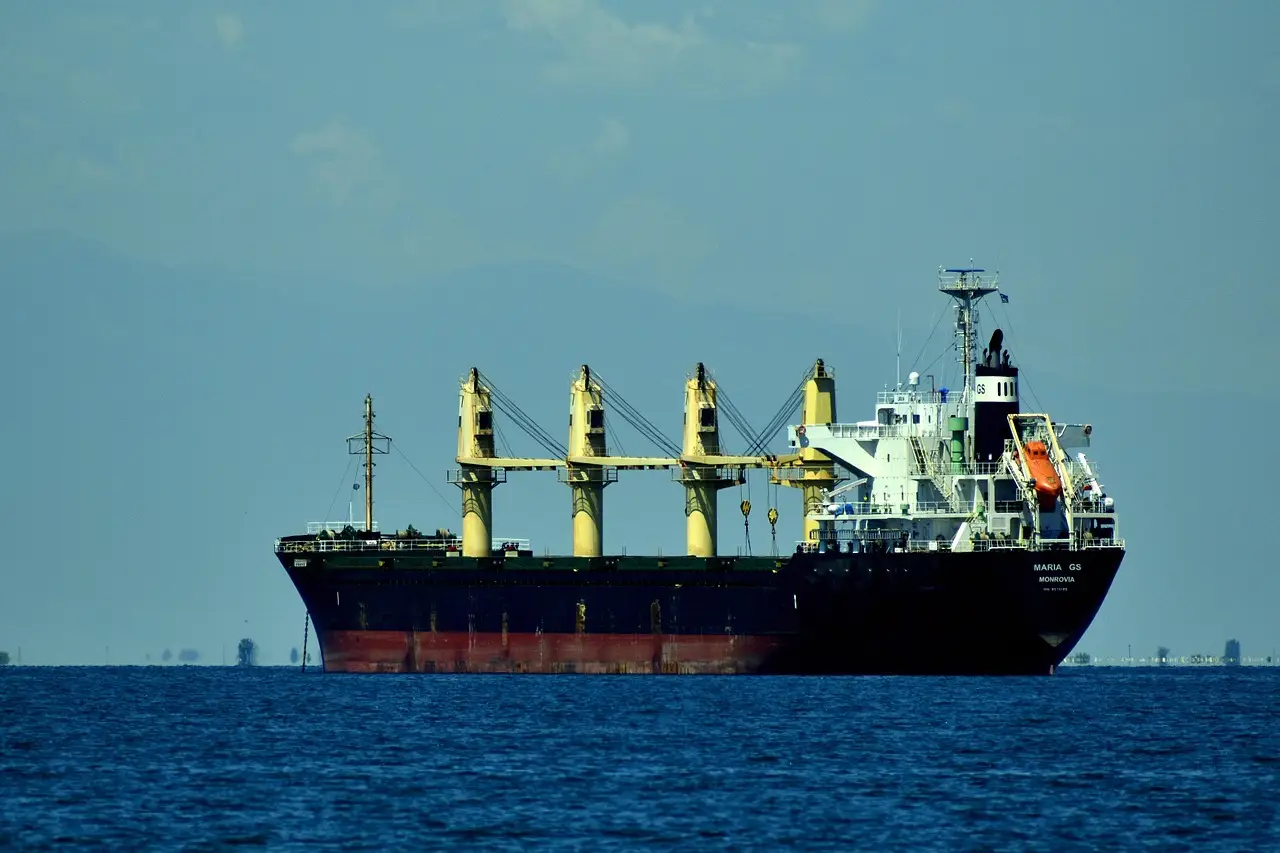
Star Bulk has taken delivery of three newbuilding Kamsarmax bulk carriers, completing the first five-vessel series of its shipbuilding programme at China's CM Qingdao Shipyard. The handover of the sister ships Star Argyro, Star Aline and Star Irene closes out a phase of fleet renewal that the dry bulk operator, controlled by shipowner Petros Pappas, has been executing at the Chinese yard.
Each of the three vessels carries a deadweight capacity of 82,000 tons, placing them squarely in the Kamsarmax segment that dominates the grain, bauxite and coal trades. The ships were built to a design developed by SDARI, the Shanghai Merchant Ship Design and Research Institute, whose standardised bulk carrier designs have become a staple of Chinese yards' order books.
What equipment do the new ships carry?
All three carriers come fitted with exhaust gas cleaning systems, commonly known as scrubbers, and shaft generators. The scrubbers allow the vessels to continue burning heavy fuel oil while meeting sulphur emissions rules, protecting the operator against the fuel-price spread that has narrowed and widened repeatedly since the global sulphur cap took effect. Shaft generators, in turn, let the ships produce electricity from the main engine rather than running auxiliary diesels, trimming fuel consumption and improving overall energy efficiency. For a fleet operator of Star Bulk's scale, even modest per-ship efficiency gains compound meaningfully when replicated across dozens of vessels.
How large is the fleet these ships join?
The deliveries bring Star Bulk's operated fleet to 138 dry bulk carriers with a combined carrying capacity of 13.8 million dwt. That tonnage makes the company one of the largest listed dry bulk owners in the world, with exposure across handysize through Capesize segments. The three new Kamsarmaxes add roughly 246,000 dwt of modern, eco-fitted capacity to that total.
The fleet count and tonnage matter commercially because they anchor the company's position in an industry where scale determines bargaining power over charterers, financing costs and trading flexibility across cargo parcels.
What has the company returned to shareholders?
Over the past five years, Star Bulk has returned $2.1 billion to shareholders through dividend payments and share buyback programmes. That figure, equivalent to more than $400 million per year on average, reflects the distribution policy the company has run through the dry bulk cycle, paying out a substantial share of available cash rather than letting it accumulate on the balance sheet.
For investors, the payout record signals management's commitment to returning value in a sector known for destroying it through counter-cyclical ordering. For charterers and counterparties, it signals a disciplined owner focused on operating returns from a largely modern fleet.
What comes next?
With the first series of five sister Kamsarmaxes now fully delivered, attention shifts to the remaining phases of the shipbuilding programme and to how the new tonnage deploys across Star Bulk's trading book. The combination of scrubbers and shaft generators positions the vessels to compete on fuel economics as emissions regulation tightens, and further deliveries from the programme will determine how quickly the company's average fleet age and efficiency profile improves.
Source: shippingherald.com
More from Elena Vasquez
Show full bio
News editor covering people, launches and day-to-day practice in Ocean and air freight, container shipping at Waybill Wire.
770 articles
Related05
DryDel Doubles Down on Kamsarmaxes With Two More Tsuneishi Newbuildings
Star Bulk sells 35% stakes in two kamsarmaxes to Hermes
Yangzijiang Maritime orders up to six kamsarmaxes at Watts yard
BG Shipping lines up four ultramaxes in Suyin lease deal
Pavimar’s four Hengli kamsarmax order estimated at up to $154m