WW/OCEANFREIG
Sparta II Burns After Drone Strike, Drifts Into Finland
The 121-metre Sparta II stayed ablaze after a drone strike, while 16 crew evacuated and fresh Black Sea incidents sharpened regional shipping risks for carriers.
- Desk
- Ocean Freight
- By
- Tom Whitfield
- Filed
- Length
- 724 words
- Read
- 4 min
Key points05
- The 121-metre Sparta II burned through Nov. 22, 2026, after a drone strike in the Baltic Sea.
- All 16 crew members evacuated onto a nearby Russian ship; the vessel later anchored in Finnish waters.
- The ship left St Petersburg on Friday for Kaliningrad and was struck west of Gogland Island.
- Oboronlogistika owns the 121-metre vessel, which the U.S. Treasury lists as sanctioned.
- Romania reported drone strikes on three commercial ships near the Sulina canal on Nov. 15.
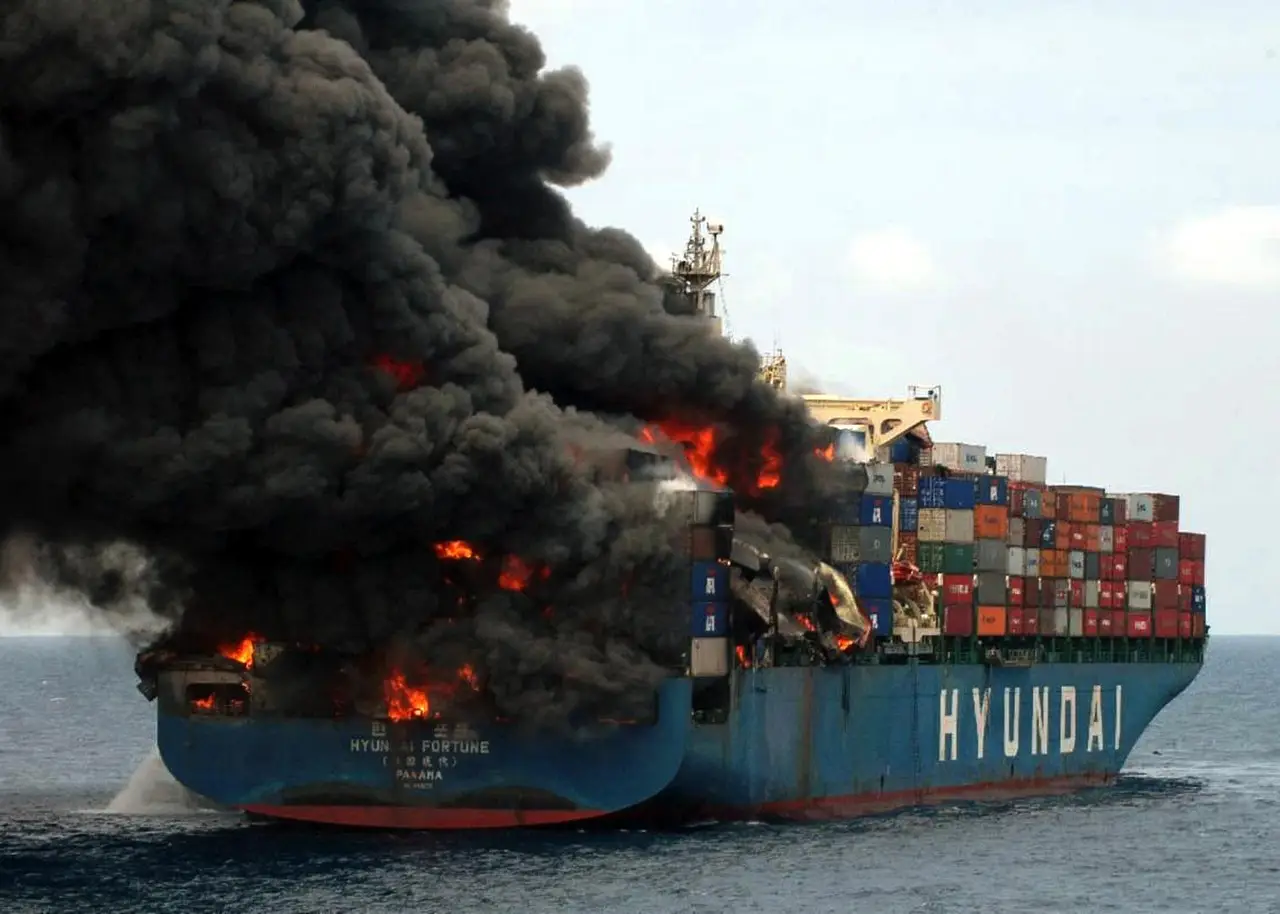
The 121-metre Russian-flagged cargo ship Sparta II remained on fire through the night of Nov. 22, 2026, after a drone strike in the Baltic Sea. All 16 crew members left the vessel and boarded a nearby Russian ship; the Sparta II later drifted into Finnish waters and remained at anchor.
Several vessels sprayed the Sparta II with water cannons, according to pictures and video released by Finland’s coast guard. They tried to put out the flames and cool the containers stacked on the ship’s deck.
Attack route and vessel identity
The Sparta II left St Petersburg on Friday, according to LSEG data, and was heading for the Russian exclave of Kaliningrad. Finland’s Defence Forces said drones struck the vessel in international waters west of Russia’s Gogland Island, corroborating Russian officials. Saturday’s attack left it burning before it drifted into Finnish waters.
Finland’s military assessed that Ukraine likely carried out the strike. Ukraine has sent waves of military drones toward Russia’s northwest Leningrad region this year. Some strayed into nearby Baltic airspace, feeding fears that the war could spill onto NATO territory.
Ownership and sanctions
Oboronlogistika owns the 121-metre, 397-foot vessel. The U.S. Treasury Department lists the Sparta II as subject to U.S. sanctions. Oboronlogistika’s website says the company provides logistics services for the Russian Defence Ministry.
For carriers, forwarders and shippers, that combination creates a specific compliance issue around any charter, cargo or service involving the ship. The sanctions status and defense-logistics ties travel with the commercial decision; the vessel cannot be treated as an unrelated Russian tramp cargo asset.
What does this change for shippers and carriers?
The immediate commercial effect is a vessel-level disruption and security event, not a demonstrated regional capacity shock. Available reports cite no cargo-loss total, freight-rate move, TEU capacity, tonnage figure, booking availability or port-volume change. They also record no closure, sailing suspension or cargo delay at St Petersburg or Kaliningrad.
Because the ship remained anchored while the fire continued, it could not complete its voyage. Any booked cargo faced delay, while heat from the fire and water applied to deck containers created a risk of cargo damage. The report identifies no specific damaged or lost cargo.
For a shipper or forwarder, the immediate need is a voyage-specific status and cargo-condition check before anyone confirms space or delivery. Broader effects depend on repetition: one disabled vessel does not remove market capacity, but further attacks could.
A wider Black Sea pattern
Related incidents show that commercial shipping faces attack risk beyond the Gulf of Finland:
- On Nov. 15, Romanian Prime Minister Luca Niculescu said drones struck three commercial ships in the Black Sea near Romania’s Sulina canal; Romanian armed forces scrambled fighter jets.
- Bulgaria summoned Russia’s ambassador to Sofia after two ships were hit off the country’s coast.
- On Aug. 29, 2026, a merchant ship caught fire and sank off Romania, likely after being hit, according to President Nicusor Dan and Romanian authorities.
These incidents do not prove a coordinated campaign against one trade lane, and the available report does not link them operationally. They do show that commercial shipping around the Black Sea’s Sulina approach has faced attacks alongside the new Gulf of Finland incident. For carriers and forwarders using either region, the immediate variables are attack frequency, government response and the ability to keep commercial calls running.
Estonian Navy Commander Ivo Vark told public broadcaster ERR on Sunday: “The risk of further attacks in the Gulf of Finland, a narrow arm of the Baltic Sea, cannot be ruled out.”
That warning turns the vessel fire into a planning risk for future Gulf voyages. Any route, schedule or rate response would start with whether another commercial ship comes under attack. No broader freight-rate increase or capacity percentage change has been quantified.
Next, authorities may tighten vessel surveillance or other security arrangements, while carriers may review Gulf of Finland and Black Sea calls. No new sanctions, sailing ban, convoy rule, rate increase or capacity reduction has been reported. If another commercial ship is hit, schedule buffers, routing changes and freight costs could follow; until then, the evidence supports a serious vessel-level incident with wider security risk, not a measured regional capacity shock.
Source: gCaptain
More from Tom Whitfield
Show full bio
Market editor covering companies, deals and strategy in Ocean and air freight, container shipping at Waybill Wire.
987 articles
Related05
Sparta II Burns After Drone Strike in Gulf of Finland
Two Tankers Ablaze off Romania, Seven Crew Missing as Drone Strikes Reach Danube Gateway
317 Ships Hit in Six Months as Black Sea War Edges Into NATO Waters
Black Sea War-Risk Premiums Hit 20% of Hull Value as Strikes Mount
Finnish court jails Fitburg captain and bosun over Baltic cable sabotage