WW/OCEANFREIG
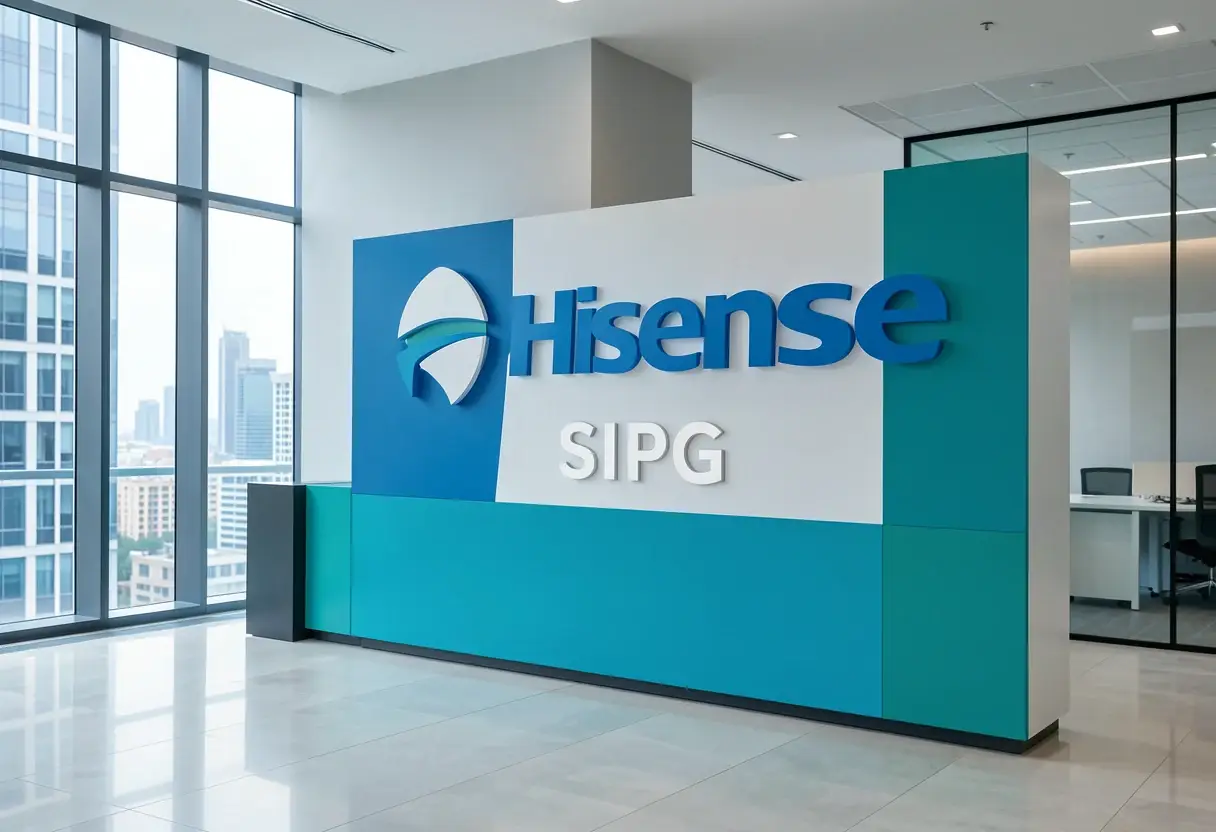
SITC, SIPG and Hisense sign South Africa equity framework
SITC, SIPG and Hisense signed a tripartite equity framework in Qingdao on 16 October for South African supply-chain operations, with no value, ownership split or closing date disclosed by the parties.
- Desk
- Ocean Freight
- By
- Elena Vasquez
- Filed
- Length
- 561 words
- Read
- 3 min
Key points05
- SITC, SIPG and Hisense signed a tripartite equity investment framework in Qingdao on 16 October 2026 covering South African supply-chain operations.
- The three companies did not disclose the equity split, investment value or completion timetable for the deal.
- SITC Logistics and SIPG Logistics will combine port, shipping, supply-chain and logistics resources to deliver integrated supply-chain services to Hisense.
- The agreement includes a regular programme of staff exchanges, joint training, personnel rotations and shared training activities.
- Attendees included SIPG Vice President Wang Haijian, SITC Chairman Yang Xianxiang, SITC CEO Xue Mingyuan and Hisense CEO Yu Zhitao.
SITC International Holdings, Shanghai International Port Group (SIPG) and Hisense signed a tripartite equity investment framework in Qingdao on 16 October, tying China's shipping, port and appliance sectors to a South African supply-chain project with no disclosed value, ownership split or closing date.
The signing drew senior executives from all three groups. SIPG sent Vice President Wang Haijian and SIPG Logistics General Manager Liu Ming; SITC brought Chairman Yang Xianxiang, CEO Xue Mingyuan and SITC Logistics President Lai Zhiyong. Hisense's side included CEO Yu Zhitao and User Delivery Center President Duan Yuebin. No South African counterparty was named in the announcement.
What does the framework actually cover?
Under the agreement, SITC Logistics and SIPG Logistics will combine their port, shipping, supply-chain and logistics network resources to deliver integrated supply-chain services to Hisense. The cooperation, the three companies said, is intended to "support Hisense's operations in South Africa and the wider overseas expansion of Chinese manufacturing companies."
The parties separately described the framework as "a basis for sharing resources, developing business jointly and strengthening workforce capabilities" — language that signals equity cooperation rather than a straightforward acquisition. The agreement is positioned as a framework rather than a binding transaction, leaving the three parties room to recalibrate as the deal moves toward execution.
What sits alongside the equity piece?
Alongside the business cooperation, the three groups will run a regular programme of staff exchanges and joint training. The initiative covers personnel rotations, shared training activities and the exchange of experience on overseas projects and local management.
The training track is the most concrete deliverable so far: it gives the partners a working calendar while equity paperwork, regulatory clearances and local partner selection run in parallel. The scope of the planned exchange suggests the parties expect the South African operation to demand dedicated local know-how that none of the three currently holds at scale.
What does this change for shippers, carriers and forwarders?
For shippers, the structure points to a single-counterparty route for Chinese consumer electronics into South Africa, with fewer intermediaries between factory gate and retailer. For carriers, the framework pairs Chinese port and shipping capital with brand-owner cargo, locking in dedicated volumes on intra-Africa and Asia–Africa services.
For forwarders, the absence of disclosed volumes, terminal allocations or routing details leaves planning data thin. Until equity split, tonnage commitments and a South African port of entry are published, the framework reads more as intent than as added capacity.
The deal also extends the port-plus-shipping pairing model that has defined Chinese logistics investment in Africa, embedding a brand-owner anchor tenant from the outset rather than building capacity for an open market.
What's still unanswered?
Three of the most basic deal metrics — equity split, dollar value and closing date — were not disclosed. The framework language also stops short of identifying a South African port of entry, naming a local joint-venture partner, or specifying whether the integrated service will sit on existing SITC intra-Africa strings or require new tonnage.
The next concrete milestone is likely either a registered South African entity or a port concession filing, neither of which appeared in the Qingdao statement. Either will set the trajectory for the framework's move from paper to operation, and without a closing date, the integrated service's timing remains unfixed.
Source: Container News
More from Elena Vasquez
Show full bio
News editor covering people, launches and day-to-day practice in Ocean and air freight, container shipping at Waybill Wire.
560 articles
Related05
TGI Group takes minority stake in DP World's Nigerian logistics unit
Hapag-Lloyd Sweetens ZIM Bid With New Israel Fleet and Asia Route
DP World Opens 10,000 sqm Bang Na Facility, Tightens Thai Contract Logistics Grid
'Data Centers Are the New Ports' – APEC Finance Ministers Weigh Funding Push
SAHCO: Collaboration and Infrastructure Hold the Key to Nigeria's Air Cargo Push