WW/AIRCARGO
Silk Way West Airlines widens digital booking reach via CargoAi
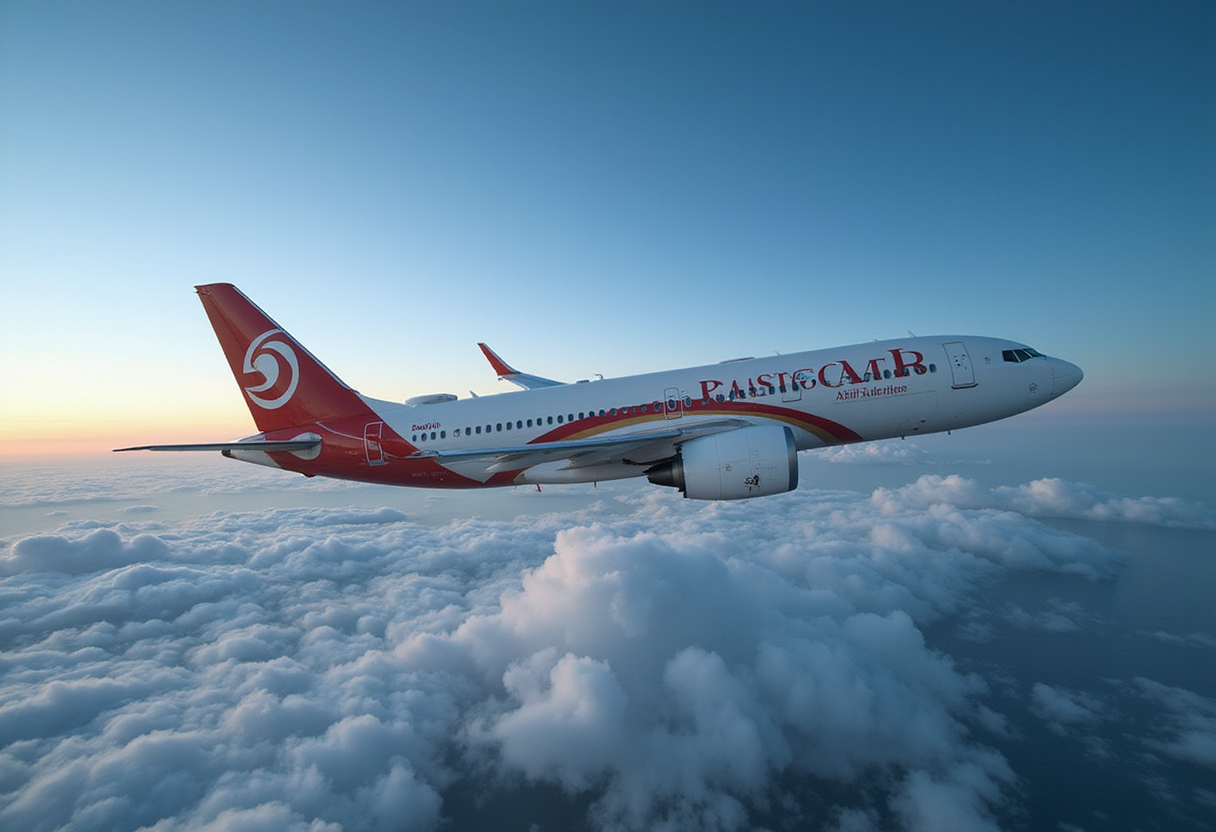
Silk Way West Airlines has widened access to its freighter capacity through CargoAi's digital booking platform, pushing Baku-hub capacity into forwarders' search results.
- Desk
- Air Cargo
- By
- Tom Whitfield
- Filed
- Length
- 596 words
- Read
- 3 min
Key points04
- Silk Way West Airlines has expanded digital booking access through CargoAi
- The carrier operates freighter services from its Baku hub, Heydar Aliyev International Airport
- The deal exposes Silk Way West capacity to forwarders searching and booking via CargoAi's platform
- The move adds another long-haul freighter operator to CargoAi's airline lineup for forwarder comparison and spot booking
Silk Way West Airlines has expanded its digital booking access through CargoAi, plugging the Baku-headquartered freighter operator's capacity directly into a booking channel that forwarders already use for spot searches and rate comparison.
The deal matters because of who each party is. Silk Way West Airlines runs a heavy freighter fleet from Heydar Aliyev International Airport in Baku, serving a network that stretches across Europe, Asia and North America — the kind of long-haul, nose-loading capacity that project cargo, machinery and oversized freight depend on. CargoAi sits on the other side of the transaction: a digital booking platform that aggregates airline capacity and gives freight forwarders searchable rates in one place.
Until now, a forwarder wanting Silk Way West capacity often worked through established channels — rate desks, phone calls, email chains. Each step costs time. Digital booking compresses that. The forwarder searches, sees the rate, books, and gets confirmation inside the platform.
What does this change for forwarders?
Practically, three things.
- Visibility. Silk Way West's capacity becomes searchable alongside other carriers on CargoAi, so forwarders can compare options rather than query each airline separately.
- Speed. Booking moves from email negotiation to platform transaction, which tightens the loop between quote and confirmation.
- Reach. Forwarders without a historic relationship with the Azerbaijani carrier gain a low-friction way to access its freighter network.
For smaller and mid-sized forwarders, that last point is the real story. Digital platforms flatten the relationship advantage that large global forwarders built over decades of rate contracts and personal contacts. A forwarder in a secondary market can now see and book Silk Way West capacity with the same few clicks as a top-20 player.
Why carriers keep signing these deals
For Silk Way West, the logic is distribution. Every airline faces the same arithmetic: freighters fly only when they're loaded, and loading depends on how many eyes see your capacity at the moment a shipment needs to move. A digital channel multiplies those eyes without adding a single salesperson.
It also shifts routine bookings out of the call centre. If spot transactions and standard shipments flow through CargoAi, the airline's commercial team spends its hours on the deals that genuinely need human negotiation — charters, project cargo, seasonal allocations.
That's the pattern across the air cargo market. Carriers that once treated online booking as a threat to customer relationships now treat absence from the main platforms as the bigger risk. Forwarders have standardised their procurement workflows around these tools, and an airline that isn't searchable simply doesn't appear on the shortlist.
The Baku angle
Silk Way West's hub position gives the partnership strategic weight beyond one carrier's distribution strategy. Baku sits on the corridor between Europe and Asia, and the airline has spent years marketing that geography — a midpoint that shortens routings between Chinese, Central Asian, European and North American origins compared with Gulf or European hub transfers.
Digital distribution makes that geography easier to sell. A forwarder in, say, Frankfurt or Milan comparing routings for Asia-bound freight can now test Baku-originating options with live data instead of relying on prior knowledge of the carrier.
What comes next
The expansion signals where the carrier's distribution strategy is heading: more channels, less friction, broader forwarder access to its freighter network. For shippers and forwarders, the immediate effect is simpler — one more heavyweight freighter operator bookable at the click of a button, and one more data point in the ongoing migration of air cargo procurement from the inbox to the platform.
Source: Google News: air cargo
More from Tom Whitfield
Show full bio
Market editor covering companies, deals and strategy in Ocean and air freight, container shipping at Waybill Wire.
414 articles
Related05
WiseTech's air cargo push puts pressure on independent booking platforms
CMA CGM Air Cargo Extends CargoAi Deployment to Allotment Booking
FedEx Logistics chief Marcus Balzereit joins Cargo Facts Symposium 2026 lineup
SolitAir Adds Uzbekistan Airports to Its Cargo Network
WiseTech opens CargoWise to GSSAs, pressuring air booking platforms