WW/OCEANFREIG
Second Hormuz Strike on TARA GAS Leaves One Missing, Two Injured
A second attack on the 25-crew LPG tanker TARA GAS in the Strait of Hormuz left one Indian seafarer missing and two crew members hospitalized after an engine-room fire on November 16.
- Desk
- Ocean Freight
- By
- Marcus Bennett
- Filed
- Length
- 777 words
- Read
- 4 min
Key points05
- The Panama-flagged LPG tanker TARA GAS carried 25 crew; 21 of 24 Indian nationals reached Khasab safely, two were hospitalized and one remained missing.
- UKMTO Warning 208-26 placed the first attack at about 1900 UTC on November 16, seven nautical miles north of Khasab, Oman.
- A second reported strike caused another fire, and all 25 crew members abandoned TARA GAS.
- UKMTO Warning 207-26 recorded a separate projectile strike on an outbound tanker at 0558 UTC on November 16; all crew were accounted for and no casualties were initially reported.
- As of Tuesday, damage and any environmental impact remained unknown, and responsibility had not been independently established.
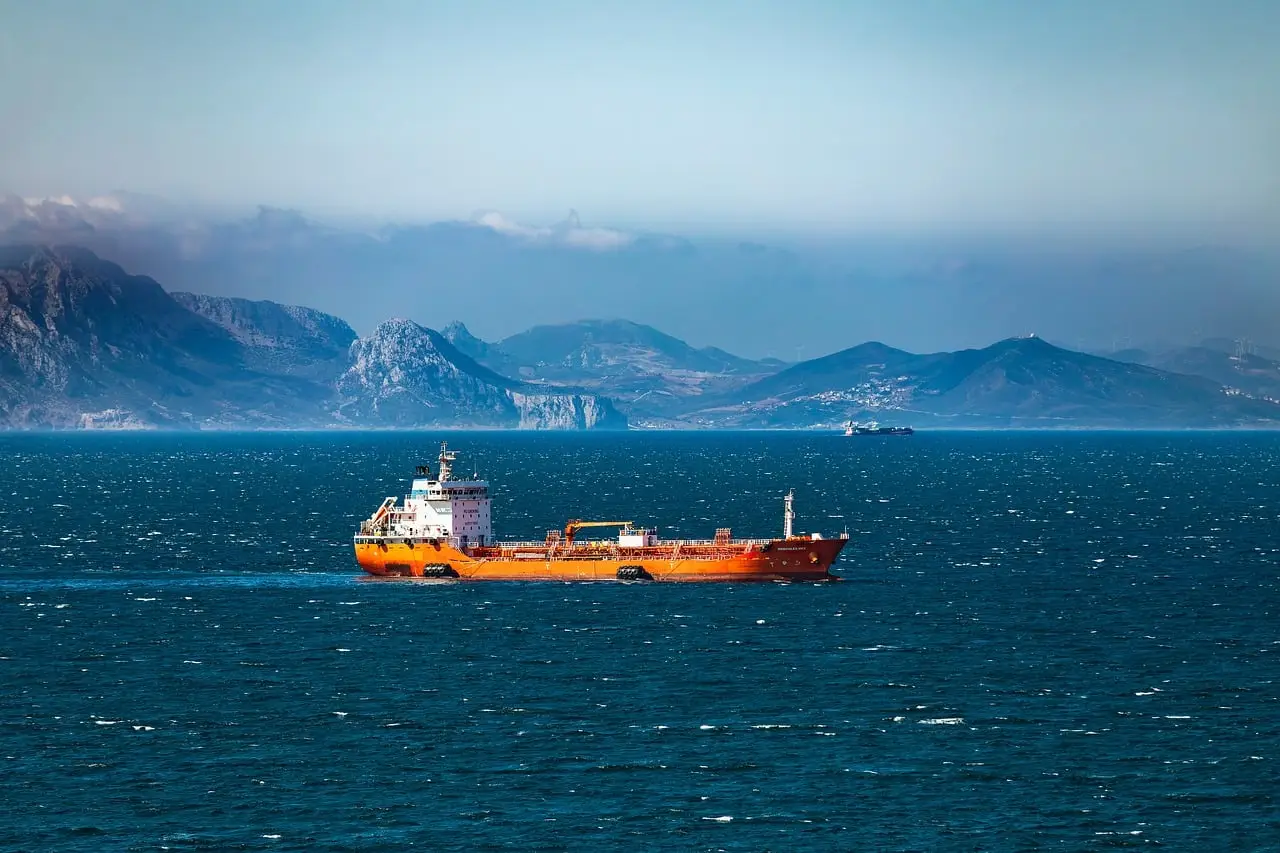
The 25-member crew of the Panama-flagged liquefied petroleum gas tanker TARA GAS abandoned the ship in the Strait of Hormuz after a second reported attack on November 16, leaving one Indian seafarer missing and two injured crew members hospitalized.
What happened to TARA GAS?
UK Maritime Trade Operations (UKMTO) Warning 208-26, issued Monday, placed the first attack in the sequence at approximately 1900 UTC on November 16, about seven nautical miles north of Khasab, Oman. The attack disabled the tanker and ignited an engine-room fire. UKMTO initially reported the crew safe.
A UKMTO update on Tuesday said a maritime security agency had reported another strike against the vessel, causing a second fire. At that stage, the agency said the crew’s whereabouts were unaccounted for.
India’s Minister of Ports, Shipping and Waterways, Sarbananda Sonowal, subsequently identified the tanker as TARA GAS and said it had been targeted in a missile attack on November 16. In a subsequent statement, he said the tanker had suffered another attack and its entire crew had abandoned it.
“While 24 crew members have been safely accounted for, one Indian seafarer remains missing,” Sonowal said.
India’s Ministry of External Affairs said on Tuesday that 21 of the 24 Indian nationals aboard had safely evacuated ashore at Khasab. Two injured Indian crew members were admitted to a hospital, while search and rescue continued for the missing seafarer. Reports did not identify the nationality of the 25th crew member.
The ministry’s three groups—21 evacuated, two hospitalized and one missing—cover all 24 Indian nationals. Sonowal’s count of 24 safely accounted crew plus one missing also covers the 25-person complement.
The Indian Embassy in Muscat said it was coordinating with Omani authorities on rescue operations and assistance for the surviving crew.
Was another tanker struck?
Yes. An unidentified projectile struck a separate tanker at 0558 UTC earlier on Monday while the vessel was transiting outbound through the Strait of Hormuz. The vessel’s company security officer reported the strike, which UKMTO recorded under Warning 207-26. It also caused an engine-room fire, but all crew members were accounted for and no casualties were initially reported.
Reports did not identify that tanker, its flag, cargo or operator, and they did not establish what struck the vessel. It therefore cannot be treated as the same incident as the TARA GAS attack, although both occurred on November 16 and produced engine-room fires.
What does this mean for LPG shippers?
The immediate commercial uncertainty is cargo status. Available information gives no LPG volume, cargo owner, discharge plan or evidence that the cargo remained intact; nor does it provide a repair timetable, freight-rate movement or Strait capacity percentage. The loss in effective vessel capacity therefore cannot be calculated from the available information.
Even without confirmed cargo loss, TARA GAS’s disabled condition and the abandonment of its crew create delivery and sailing uncertainty. Carriers cannot treat the tanker as available for normal operations until damage, safety and manning have been assessed.
LPG shippers moving cargo through Hormuz may face delivery delays, while forwarders must account for another disruption in a waterway where vessel movements remain severely disrupted by the conflict with Iran.
For freight decisions, the broader constraint is security rather than a disclosed market imbalance. The incidents affected one tanker near Khasab and one outbound tanker, but available information offers no vessel name for the second case, no casualty update beyond “no casualties initially reported,” and no measure of how many LPG sailings through Hormuz have been canceled, delayed or rerouted.
Any claim of a specific rate or capacity effect would therefore go beyond the evidence.
What remains unverified?
The full extent of damage to TARA GAS and any potential environmental impact remain unknown. Responsibility for the attacks has not been independently established. Sonowal described the first incident as a missile attack, while the second-strike account came through a maritime security agency; neither account identifies an independently verified perpetrator.
Video circulating on social media purportedly shows a tanker engulfed in flames near the Strait of Hormuz, but gCaptain said it had not independently verified the footage. The images cannot independently establish the vessel’s identity, the timing, the cause or the scale of damage.
Until the search resolves the missing seafarer’s whereabouts and inspectors assess TARA GAS, its cargo status and return-to-service date will remain unresolved. With Hormuz traffic already severely disrupted by the Iran conflict, continued operational uncertainty—not a quantified rate or capacity change—is the more defensible near-term outlook for shippers, carriers and forwarders moving LPG through the Strait.
Original: ukmto.org
More from Marcus Bennett
Show full bio
Senior reporter covering regulation, policy and their impact on Ocean and air freight, container shipping at Waybill Wire.
953 articles
Related05
Seafarer missing as second strike guts LPG carrier in Hormuz
Iran Claims VLCC With 2m Barrels Sank After Mine Strikes in Hormuz
Two Tankers Ablaze in Strait of Hormuz as Backlog Hits 227 Vessels
Limpet Mines Disable Tanker in Strait of Hormuz, First Since February
US warplane bombs bulker off Hormuz as tanker attacks multiply