WW/OCEANFREIG
Samsung Heavy Books 20th LNG Carrier as $12.4B Intake Hits 89% of Target
Samsung Heavy Industries has booked 20 LNG carriers in 2024, pushing commercial-vessel intake to $8 billion (140% of target) and full-year intake to $12.4 billion, or 89% of its $13.9 billion goal.
- Desk
- Ocean Freight
- By
- Elena Vasquez
- Filed
- Length
- 616 words
- Read
- 3 min
Key points05
- Samsung Heavy has booked 20 LNG carriers in 2024, including one LNG-FSRU, after a $495.17 million two-vessel order from an Asian shipowner on Oct. 2.
- Commercial-vessel order intake stands at $8 billion — 140% of the $5.7 billion target — across 46 vessels spanning LNG, crude oil, gas, container and ethane carriers.
- Combined with $4.4 billion in offshore orders including two FLNG units, total 2024 intake reaches 48 vessels and $12.4 billion, or 89% of the $13.9 billion full-year target.
- Geoje Shipyard's Dry Dock No. 3 — 640m by 97.5m — can simultaneously build four large LNG carriers, supported by a 10 trillion won smart-shipyard investment plan unveiled in July.
- Q2 consolidated revenue rose 20.4% year on year to 3.23 trillion won; operating profit jumped 58.7% to 325.0 billion won.
Samsung Heavy Industries has crossed the 20-LNG-carrier threshold for 2024, booking a fresh order for two vessels worth 672.2 billion won ($495.17 million) from an unnamed Asian shipowner, the South Korean builder confirmed on October 2.
The latest contract lifts Samsung Heavy's LNG carrier count to 20 units this year — one of them an LNG floating storage and regasification unit — with deliveries scheduled sequentially through May 2029. It also pushes commercial-vessel intake to $8 billion, or 140% of the $5.7 billion target the company set 12 months ago.
Combined with $4.4 billion in offshore orders that include two floating LNG (FLNG) units, the 2024 total now stands at 48 vessels and $12.4 billion — 89% of Samsung Heavy's full-year orderbook target of $13.9 billion.
What is anchoring Samsung Heavy's LNG build pace?
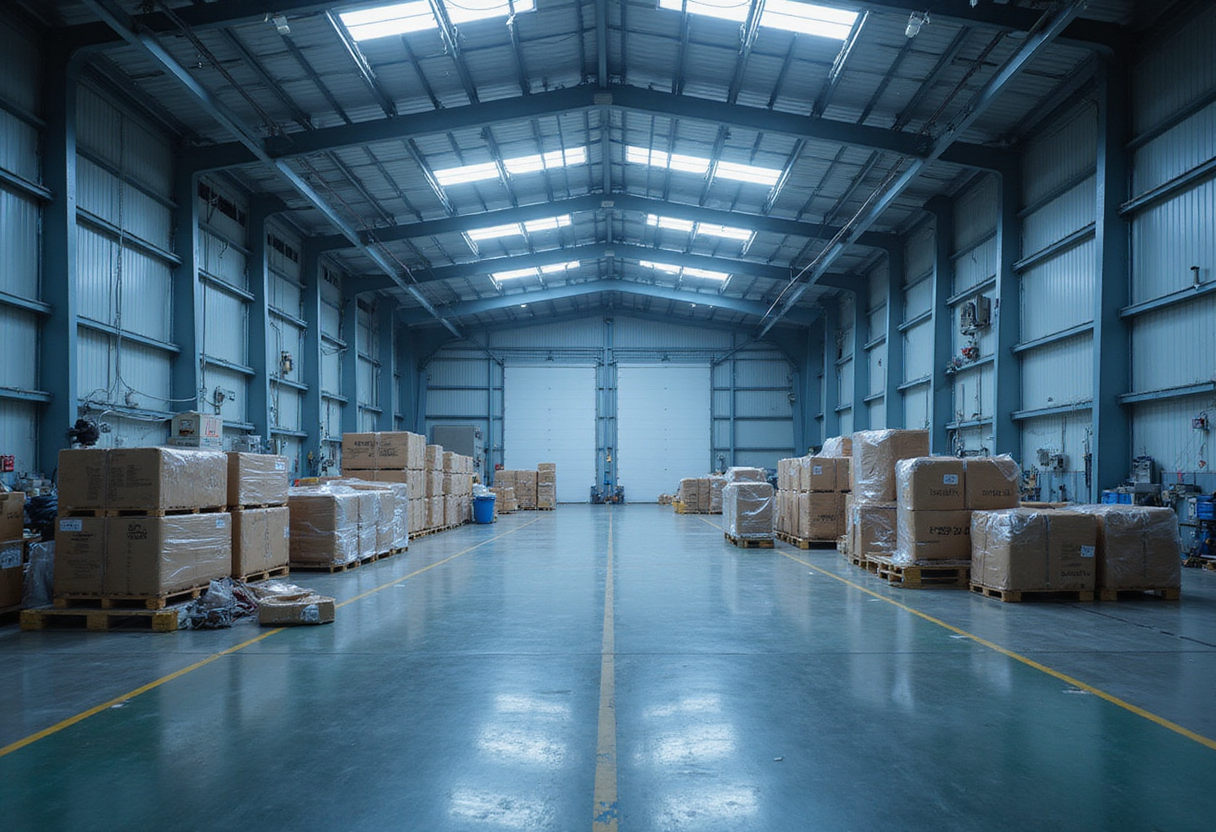
Geoje Shipyard is doing the heavy lifting. Dry Dock No. 3 — measuring 640 meters in length and 97.5 meters in width — can simultaneously construct four large LNG carriers, a footprint the company credits for keeping clustered deliveries on schedule. Samsung Heavy pointed to that capacity as central to its ability to absorb the 2024 orderbook without slippage on existing commitments.
In July, the company unveiled a 10 trillion won investment blueprint to convert Geoje into a high-value-added construction hub. The outlay anchors the "3X" smart-shipyard framework, which folds digital, AI, and robotics tooling into production lines. The stated objective is to lift throughput while differentiating build quality in a competitive newbuilding market.
How diversified is the orderbook beyond LNG?
The LNG headline masks a broader base. Samsung Heavy has booked across multiple commercial segments this year:
- 20 LNG carriers (including 1 LNG-FSRU)
- 14 crude oil carriers
- 6 gas carriers
- 4 container ships
- 2 ethane carriers
Commercial vessels alone total 46 units and $8 billion. Offshore work contributes $4.4 billion — anchored by two FLNG hulls — bringing the year-to-date count to 48 ships and $12.4 billion.
What does the order pipeline mean for fleet supply?
For charterers and LNG buyers, the cadence matters. Deliveries running into May 2029 will steadily add large-scale LNG tonnage to the global orderbook, alongside regasification capacity through the FSRU unit and floating production through the FLNG hulls. That mix tracks continued investment across both the exporter side — where FLNG unlocks stranded gas reserves — and the importer side, where FSRUs bridge the gap ahead of onshore terminal expansions.
The two-vessel October 2 order from an Asian shipowner keeps regional buyers at the center of Samsung Heavy's 2024 LNG book, matching the pattern of earlier Asian orders this year and reinforcing Korea's grip on the high-specification LNG newbuilding segment.
Does the volume translate into earnings?
Q2 results suggest it does, with margins widening on top of revenue growth. Samsung Heavy posted consolidated revenue of 3.23 trillion won, up 20.4% year on year. Operating profit climbed 58.7% to 325.0 billion won — outpacing revenue growth by nearly three times and pointing to firmer pricing on premium hulls as the volume base expands.
A Samsung Heavy Industries representative tied the result to the company's positioning in the value chain: "We are playing a central role in the global LNG value chain, including LNG carriers and FLNG. We will maintain our market leadership through differentiated technology and shipbuilding capabilities."
With 89% of the $13.9 billion full-year order target already booked — four months before year-end — Q3 and Q4 disclosures from Geoje will dictate whether Samsung Heavy lifts its 2024 ceiling above the original plan or absorbs a slower finish into 2025's order book.
Source: Hellenic Shipping News
More from Elena Vasquez
Show full bio
News editor covering industry trends and analytics at Waybill Wire.
280 articles
Related05
Samsung Heavy Lands $221m VLGC Order, Pushing 2024 Orderbook to $11.9bn
China takes LNG carrier order lead as Hengli plots market entry
China Closes In on Korea's LNG Carrier Lead as Order Share Jumps to 38.8%
China United Lines Books Two 14,000 TEU Newbuilds at $150m Each
HD Hyundai Samho builds Korea's first three-tank LNG carrier