WW/TRUCKINGRA
Sagepoint Logistics to double its RNG truck fleet
Sagepoint Logistics plans to double its renewable natural gas truck fleet, expanding bookable low-carbon capacity for shippers with scope 3 targets and betting on RNG over battery-electric.
- Desk
- Trucking & Rail
- By
- Tom Whitfield
- Filed
- Length
- 486 words
- Read
- 2 min
Key points03
- Sagepoint Logistics announced plans to double the size of its RNG truck fleet
- The expansion signals a bet on renewable natural gas over battery-electric and hydrogen for near-term decarbonization
- An enlarged RNG fleet adds bookable capacity for shippers counting scope 3 emissions reductions
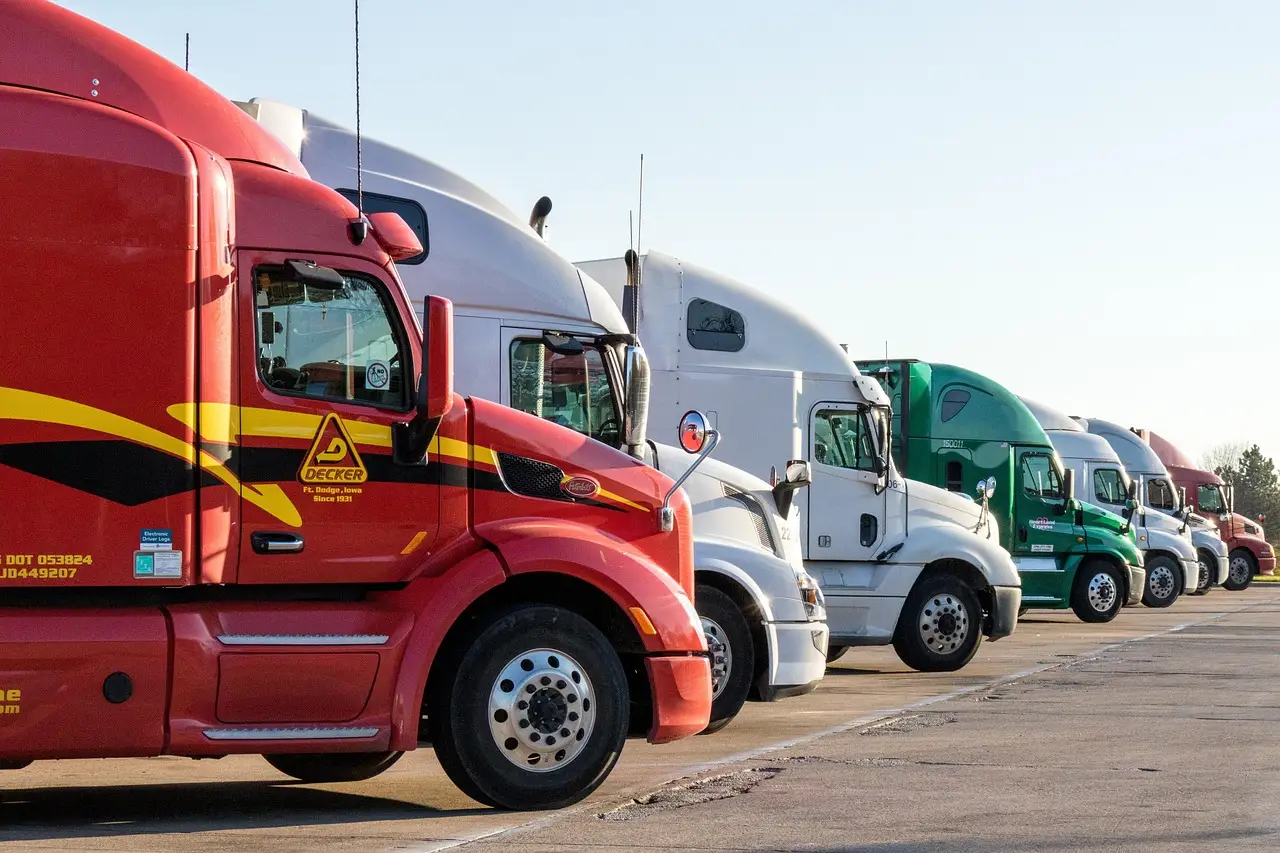
Sagepoint Logistics has announced plans to double the size of its renewable natural gas fleet, a move that would significantly expand one of the trucking sector's committed RNG operations.
The company confirmed the expansion target this week, positioning itself among the carriers betting that renewable natural gas — not battery-electric or hydrogen — is the most practical near-term route to lower-emission trucking for regional and medium-haul freight. Doubling a dedicated RNG fleet is a capital decision, not a press release flourish. Trucks fuelled by RNG typically carry a purchase premium over diesel equivalents, and the fueling network remains thinner than diesel's, which makes fleet-scale commitments a genuine commercial wager.
What does this change for shippers?
For shippers with scope 3 emissions targets, an enlarged RNG fleet adds capacity they can book against carbon accounting. Renewable natural gas, when sourced from dairy digesters and landfill capture, can deliver substantial well-to-wheel emissions reductions compared with diesel — which is why sustainability-minded shippers have quietly paid attention to which carriers run it at scale.
For Sagepoint itself, doubling the fleet means locking in fuel supply contracts and fueling infrastructure before the trucks arrive. RNG capacity is supply-constrained, and carriers that secure it early hold a pricing and availability edge over rivals adding alternative-fuel trucks later.
Why RNG, and why now?
The mechanism is straightforward. Fleet operators face tightening emissions expectations from customers and regulators, but battery-electric heavy trucks still struggle with range, weight and charging lead times. RNG offers a drop-in answer: familiar drivetrains, refueling measured in minutes, and a fuel whose carbon profile improves as digester supply grows.
The trade-off is infrastructure. RNG fueling stations cluster along specific corridors, which effectively maps where an expanded Sagepoint fleet can run profitably. Shippers whose lanes sit inside that network benefit; shippers outside it see no change.
The competitive read
A doubling commitment also sends a signal to forwarders and brokers. Carriers investing in dedicated alternative-fuel capacity increasingly market it as a differentiated service, sometimes at a premium, sometimes as a retention tool for large accounts with public sustainability commitments. Expect Sagepoint to package the enlarged fleet the same way — as bookable, verifiable low-carbon capacity rather than a corporate footnote.
The move lands as trucking's fuel transition splits into competing camps. Some carriers are piloting electric and hydrogen units in small numbers. Others are scaling gaseous fuels fast, on the argument that scaled-and-available today beats promising-and-delayed. Sagepoint's expansion puts it firmly in the second camp.
What remains to be seen is the pace. Fleet doublings of this kind usually roll out over multiple quarters as chassis deliveries, fuel contracts and driver training line up. Shippers on Sagepoint's network should watch for route announcements tied to the new units — those will show where the low-carbon capacity actually lands, and when.
Source: Google News: trucking industry
More from Tom Whitfield
Show full bio
Market editor covering companies, deals and strategy in Ocean and air freight, container shipping at Waybill Wire.
596 articles