WW/TRUCKINGRA
Record diesel prices push semi fill-ups toward $1,500
Diesel at record levels has pushed the cost of filling a semi's tanks to roughly $1,500, squeezing carrier margins and setting the stage for higher freight rates.
- Desk
- Trucking & Rail
- By
- Marcus Bennett
- Filed
- Length
- 487 words
- Read
- 2 min
Key points05
- A full diesel fill-up for a semi now costs around $1,500, per KLKN-TV.
- Diesel prices have reached record highs, hitting the US trucking industry.
- Fuel is one of the largest operating costs for trucking companies, compounding per truck daily.
- Owner-operators are the most exposed, lacking fuel surcharge leverage.
- Shippers can expect rate pressure as carriers pass on record fuel costs.
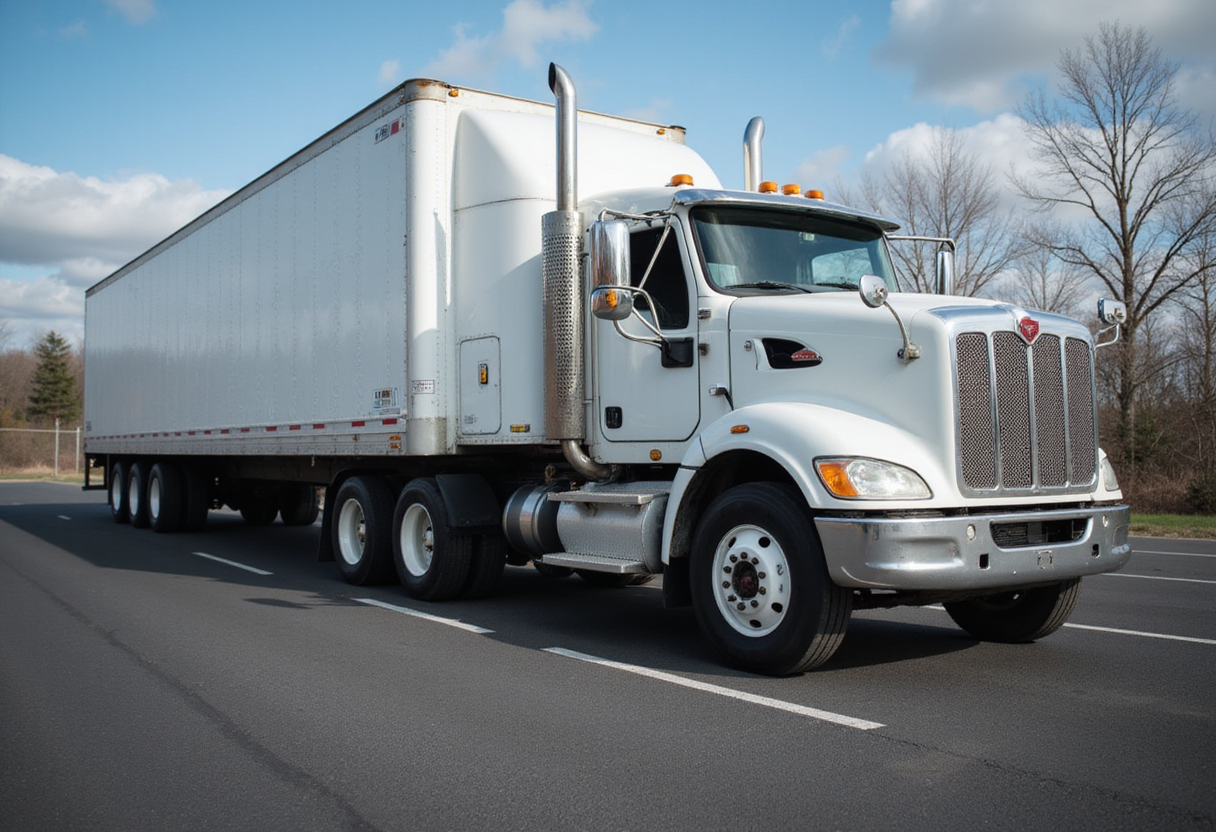
A full tank of diesel for a heavy-duty semi now costs around $1,500, a record level that is reshaping the economics of road freight across the United States, KLKN-TV reports.
That figure is the starkest single measure of the pressure now bearing down on trucking companies. For an industry where fuel is among the largest operating costs, a fill-up approaching $1,500 per truck turns a routine expense into a cash-flow event that repeats daily across every tractor in a fleet.
The report centers on diesel prices hitting record highs, with the filling of a semi's twin tanks cited at roughly $1,500. That per-truck cost compounds quickly. A fleet running even a modest number of vehicles faces fuel outlays that scale into the millions over a year, before a single driver wage, insurance premium or maintenance invoice is paid.
Who feels it first?
Owner-operators and small carriers absorb the shock most directly. They lack the fuel surcharge leverage that large contract shippers extend to big fleets, and they cannot hedge diesel the way integrated logistics groups can. For a single-truck operator, every cent added to the pump price comes straight out of margin.
Larger carriers face a different calculation. Most recover fuel through surcharges written into contracts, but surcharge mechanisms lag the pump. When diesel sets records, the gap between what the surcharge pays and what the truck actually burns widens for weeks before tariffs catch up.
What does this mean for shippers?
Shippers should expect freight rates to reflect the fuel line item with a delay, then with force. Carriers that cannot pass on record diesel costs will exit capacity — and tightened capacity, not the fuel price itself, is what ultimately moves spot rates. Forwarders brokering loads on the spot market will see carriers refuse lanes where the fuel burn does not clear the rate.
The consequences extend beyond the trucking sector. Diesel is the input that moves freight from ports to distribution centers and from distribution centers to stores. Record pump prices feed into delivered goods costs, a pass-through that eventually reaches consumers.
What is not yet clear
The report does not specify how long these record prices will hold, nor how much demand destruction — shippers shifting modes, consolidating loads or delaying freight — has already begun. History argues that fuel spikes of this magnitude do two things in sequence: they thin carrier capacity, and then they reset rate benchmarks once volumes return.
What can be said with certainty is the arithmetic already on the record: a semi fill-up at approximately $1,500, at diesel price levels the market has not previously seen. Whether that becomes the new baseline or a peak depends on supply-side factors the report does not address.
For now, every carrier, broker and shipper in the domestic freight market is working from the same number — and budgeting around it.
Source: Google News: trucking industry
More from Marcus Bennett
Show full bio
Senior reporter covering regulation, policy and their impact on Ocean and air freight, container shipping at Waybill Wire.
422 articles
Related05
Diesel Prices Have Doubled, and Truckers Are Back in the Squeeze
Diesel Costs Squeeze Truckers and Ripple Through US Economy
Record Diesel Prices Squeeze Trucking Margins as Crude Climbs
Diesel spike leaves US truckers and farmers 'throwing dollars out the window'
Diesel surge pushes US truckers into fresh round of cost defenses