WW/OCEANFREIG
Pyxis sells 12-year-old MR tanker for $37m, books $21m gain
Pyxis Tankers is selling the 2013-built Pyxis Karteria for $37m — $17m above its 2021 purchase price — and will book roughly $21m on the deal as it pivots to younger ships.
- Desk
- Ocean Freight
- By
- Amara Osei
- Filed
- Length
- 631 words
- Read
- 3 min
Key points05
- Pyxis Tankers agreed to sell the 2013-built, 46,652 dwt MR tanker Pyxis Karteria for $37m, booking an expected gain of about $21m.
- The vessel was bought in July 2021 for $20m; the resale price is $17m higher before financing and operating cash flows.
- Net cash proceeds are estimated at $25.9m after repaying roughly $10.7m in vessel-related debt and transaction costs; completion falls between November 20 and December 20.
- In October Pyxis agreed to buy the remaining 40% of the ultramax Konkar Ormi for about $6.83m and fixed the 2017-built MR Pyxis Lamda to CITGO at $31,000 per day for two years.
- The sale leaves Pyxis with five vessels: two MR product tankers and interests in three bulkers.
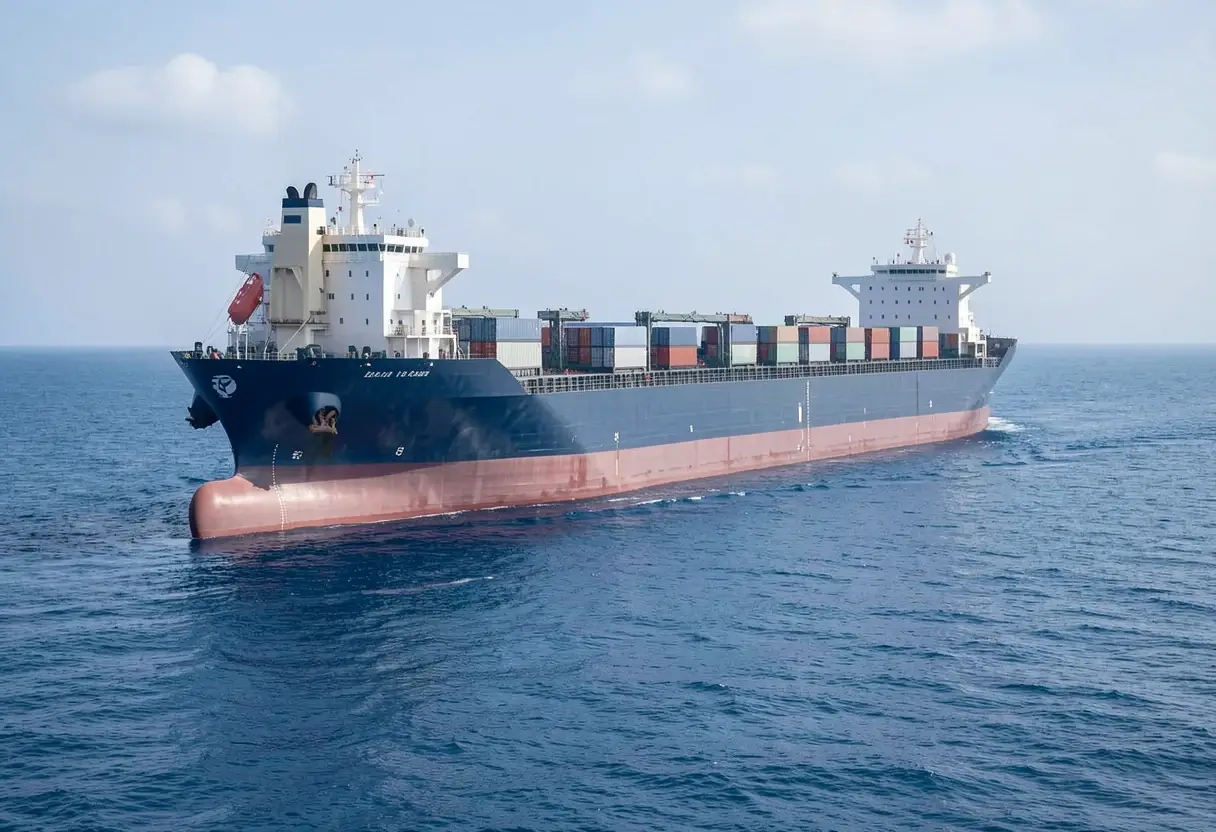
Pyxis Tankers has agreed to sell its oldest product tanker for $37m, turning a 12-year-old MR into roughly $21m of booked profit and shrinking its product tanker fleet from three ships to two.
The Nasdaq-listed Greek owner, run by chief executive Eddie Valentis, struck the deal with an undisclosed third-party buyer for the Pyxis Karteria. The 46,652 dwt MR was built in 2013 at South Korea's Hyundai Mipo yard — a pedigree that clearly still commands a premium in today's secondhand market.
What does the sale actually deliver?
Numbers first. Pyxis expects to book a gain of about $21m from the transaction. Net cash proceeds come in at an estimated $25.9m, after the company repays around $10.7m in vessel-related debt and covers transaction costs.
The price history is the more striking part. Pyxis acquired the Karteria in July 2021 for $20m. The latest agreement puts its resale value $17m above the original purchase cost — an 85% uplift on paper, before you even count financing arrangements and operating cash flows earned across four-plus years of trading. Buying well and selling better is not a strategy available to everyone. It is, however, available to anyone who bought tankers in 2021.
Completion is expected between November 20 and December 20, so the cash lands before year-end.
Where does it leave the fleet?
Smaller in tankers, broader in bulk. Once the Karteria delivers, Pyxis will own five vessels: two MR product tankers plus interests in three bulkers.
The sale caps a busy stretch of portfolio reshaping across both sectors. In October, the company agreed to buy out the remaining 40% interest in the ultramax bulker Konkar Ormi from a company linked to Valentis, for approximately $6.83m. That deal consolidates full ownership of a younger bulk carrier — and, one assumes, a tidier corporate structure.
Also in October, Pyxis secured a two-year charter with CITGO Petroleum for the 2017-built MR tanker Pyxis Lamda at $31,000 per day. That rate locks in approximately $21.8m of expected net revenue over the period. For context, $31,000 a day is comfortably above what most MR owners need to cover operating costs and debt service on a seven-year-old ship, which is precisely why younger tonnage is where the returns currently sit.
What does this change for shippers and the market?
Not much immediately, and that is rather the point. One 46,652 dwt MR leaving a three-ship fleet is a rounding error in global clean product capacity. The commercial signal matters more than the tonnage: an experienced owner is choosing to monetise an older asset at the top of its value curve rather than keep trading it into its teens.
For buyers, the deal confirms that 2013-built, quality-yard MRs still clear at firm prices. For competing sellers, it sets a useful benchmark. For charterers on medium-term product trades, it is a quiet reminder that the supply of modern, eco-tonnage remains tight enough for owners to trade asset values instead of cargo.
The renewal playbook continues
Pyxis frames the sale as additional firepower for further fleet renewal, with management targeting younger ships where purchase prices offer more attractive returns. The $25.9m net cash, plus the $21.8m of locked-in charter revenue from the Lamda, gives the company real optionality — to acquire modern tonnage in either tankers or bulkers while asset prices in the younger age brackets still pencil out.
Expect the proceeds to reappear on the asset side of the balance sheet sooner rather than later. Selling old steel to buy newer steel is a cycle as old as shipping itself, and by the look of this deal, it is paying better than usual at the moment.
Source: Splash247
More from Amara Osei
Show full bio
Staff writer covering regulation, policy and their impact on Ocean and air freight, container shipping at Waybill Wire.
880 articles
Related05
Pyxis Tankers pays $6.8m to buy out CEO's stake in ultramax bulker
Pyxis locks MR tanker to CITGO at $31,000/day in two-year fixture
Exmar banks $22m profit on first suezmax resale
Ardmore sells ageing tanker for $34.3m as fleet renewal accelerates
Liquimar books three suezmaxes at New Hantong in $258m order