WW/TRUCKINGRA
PACCAR recalls 6,185 Kenworth and Peterbilt trucks over radar braking fault
PACCAR is recalling 6,185 Kenworth T680 and Peterbilt 579 trucks built Feb. 11–Oct. 8 after a radar memory fault was found to trigger false braking on left-lane vehicles. A software fix arrives Jan. 10.
- Desk
- Trucking & Rail
- By
- Amara Osei
- Filed
- Length
- 705 words
- Read
- 4 min
Key points05
- PACCAR is recalling 6,185 trucks built Feb. 11–Oct. 8 over a forward radar fault that can trigger false braking on left-lane vehicles.
- 5,498 of the recalled units are model year 2027 Kenworth T680 and Peterbilt 579 tractors; it's PACCAR's fifth recall on 2027 trucks since July.
- Only an estimated 0.1% of recalled trucks carry the defect; eight warranty claims and eight field reports, no injuries.
- Owner and dealer notifications plus NHTSA VIN lookup open Jan. 10, 2027, under recall 26PACL; the fix is a field software update.
- A federal rule mandating automatic emergency braking on trucks over 10,000 lbs. remains pending, with a supplemental proposal overdue past its July 2026 target.
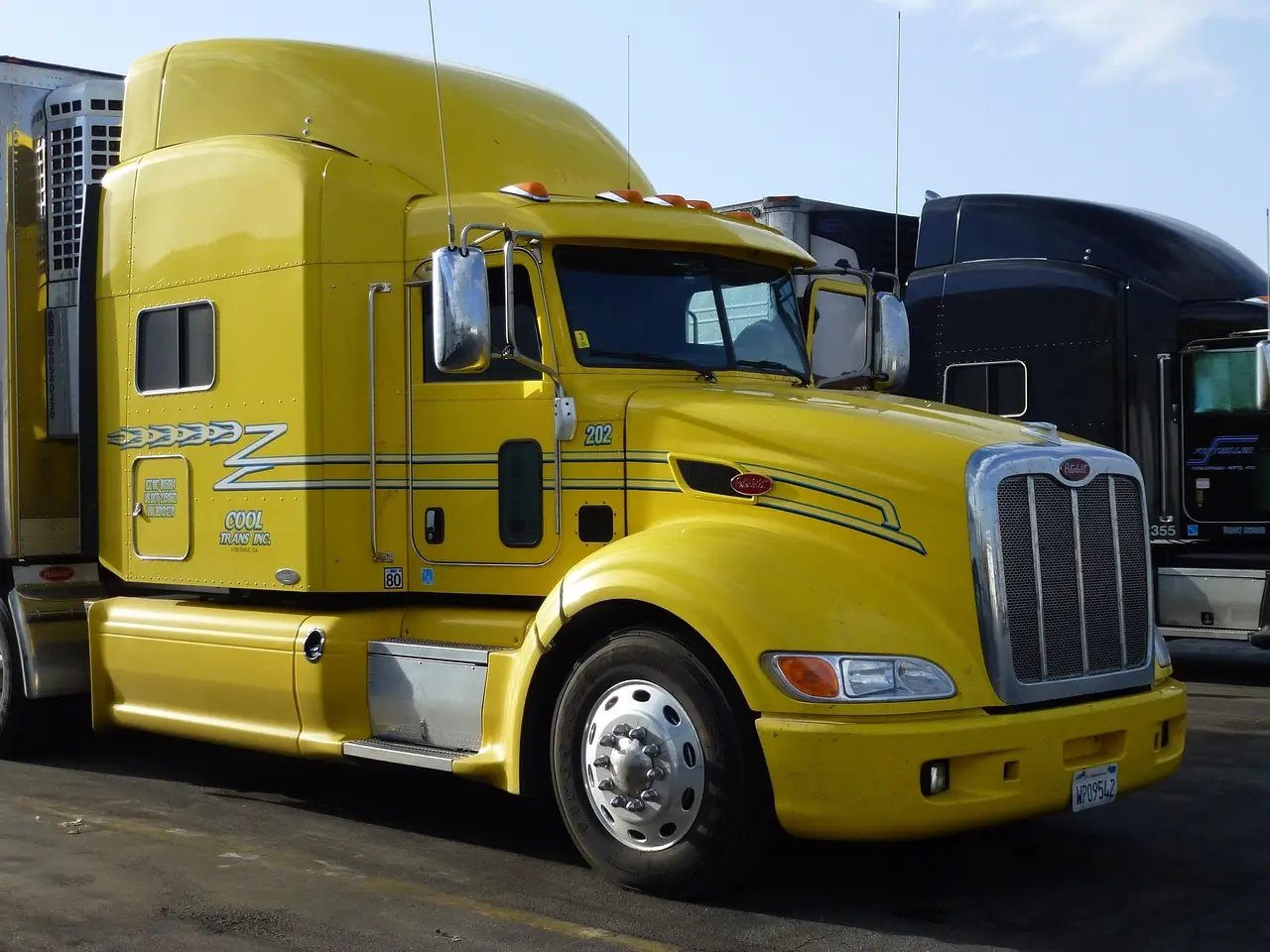
PACCAR is recalling 6,185 Kenworth and Peterbilt trucks whose forward radar can brake suddenly for stopped or slow-moving vehicles in the left lane. The company disclosed the defect in a Nov. 11 filing with the National Highway Traffic Safety Administration, covering trucks built between Feb. 11 and Oct. 8.
The affected population is heavily concentrated in two flagship tractors: 5,498 of the trucks are Kenworth T680s and Peterbilt 579s, all model year 2027. That matters for fleets, because these are the newest units rolling off PACCAR lines — trucks likely pulling the highest-mileage loads right now.
This is at least the fifth recall PACCAR has filed on 2027 trucks since July, according to NHTSA records. One earlier action covered 5,919 trucks whose power distribution box may contain oil. A pattern, in other words, is forming.
As of Nov. 4, PACCAR had received eight warranty claims and eight field reports possibly tied to the radar defect. No deaths or injuries have been reported, and the company estimates just 0.1% of the recalled trucks actually carry the fault — roughly one truck in a thousand. PACCAR's filing lists no warning to the driver before a false braking event, and it does not advise owners to stop driving the trucks.
"Forward collision mitigation is not affected because camera functionality detects objects in the same lane of travel," PACCAR wrote in the filing. So the camera still watches the truck's own lane. The radar, apparently, has been watching someone else's.
What causes the false braking?
The filing traces the problem to a parameter calculator PACCAR uses in production. That calculator produces a software data set that isn't written correctly into the radar's memory.
When the radar fails to learn the truck's specific parameters, it defaults to a lateral position too far left of its true position, PACCAR told NHTSA. The radar then treats stationary or slow-moving objects in the left lane as "relevant objects" — which, in a mitigation system, means one thing: braking.
A false hard brake at highway speed is not a comfort issue. It's a rear-end risk for the truck and everything behind it, which is why fleets will want this fixed before, not after, an incident report.
How did the recall unfold?
The chronology was tight. PACCAR's safety and compliance team learned of field complaints about automatic emergency braking events on Oct. 16 and immediately held trucks at its plants. Corrected software was available by Oct. 19 for trucks still at the plants and in production.
PACCAR spoke with Bendix, the radar's supplier, on Oct. 20 and again on Oct. 30 about the parameter issue. The safety committee decided on Nov. 4 to recall. The final count of 6,185 is based on radar part numbers and quantities Bendix shipped to PACCAR, minus the trucks already corrected on the line.
What does this change for fleets?
The remedy is a field software update that corrects the radar memory issue. PACCAR plans to notify dealers and owners on Jan. 10, 2027 — the same day the trucks' VINs become searchable on NHTSA's recall lookup under recall 26PACL. Peterbilt owners can call 940-591-4220; Kenworth owners can call 425-828-5888.
Until the update lands, fleet managers running 2027 Kenworth or Peterbilt tractors built since February should brief drivers on the risk of unintended braking near slow left-lane traffic. A precaution that costs a conversation, not a downtime day.
The recall also lands in an awkward regulatory moment. NHTSA and the Federal Motor Carrier Safety Administration proposed in June 2023 to require automatic emergency braking on new trucks over 10,000 pounds. Three weeks before that proposal, NHTSA had opened a preliminary evaluation of roughly 250,000 Freightliner Cascadias after 18 owner complaints that the system braked with no hazard present.
In 2025, the agencies moved the rule back to the proposal stage. The Transportation Department's regulatory agenda targeted July 2026 for a supplemental proposal, which has yet to be published. Until Washington settles what mandating these systems should look like, cases like PACCAR's will keep defining the technology's real-world reputation — one false brake at a time.
Original: getfreightdata.com
More from Amara Osei
Show full bio
Staff writer covering regulation, policy and their impact on Ocean and air freight, container shipping at Waybill Wire.
992 articles
Related05
Trump Takes Tariff Pitch to Peterbilt's Denton Truck Plant Thursday
Large-truck fatalities fell 13.7% in 2025 as scrutiny rises
$11.4M in NVIDIA hardware vanishes on California-to-Texas run
PACCAR Connect brings factory app platform to Kenworth, Peterbilt in 2027
Trump pitches US manufacturing at Peterbilt plant visit