WW/SUPPLYCHAI
Ohio Autonomous Truck Test Puts Self-Driving Freight on Public Display
Ohio staged a public test of an autonomous truck, a demonstration backers frame as a preview of freight's future on the Midwest's busiest corridors.
- By
- James Calloway
- Filed
- Length
- 577 words
- Read
- 3 min
Key points04
- Ohio hosted a public demonstration test of an autonomous truck.
- Backers framed the test as a showcase of the freight industry's future direction.
- Ohio has invested in connected and automated vehicle infrastructure for testing.
- The state sits on dense Midwest freight corridors targeted by autonomous developers.
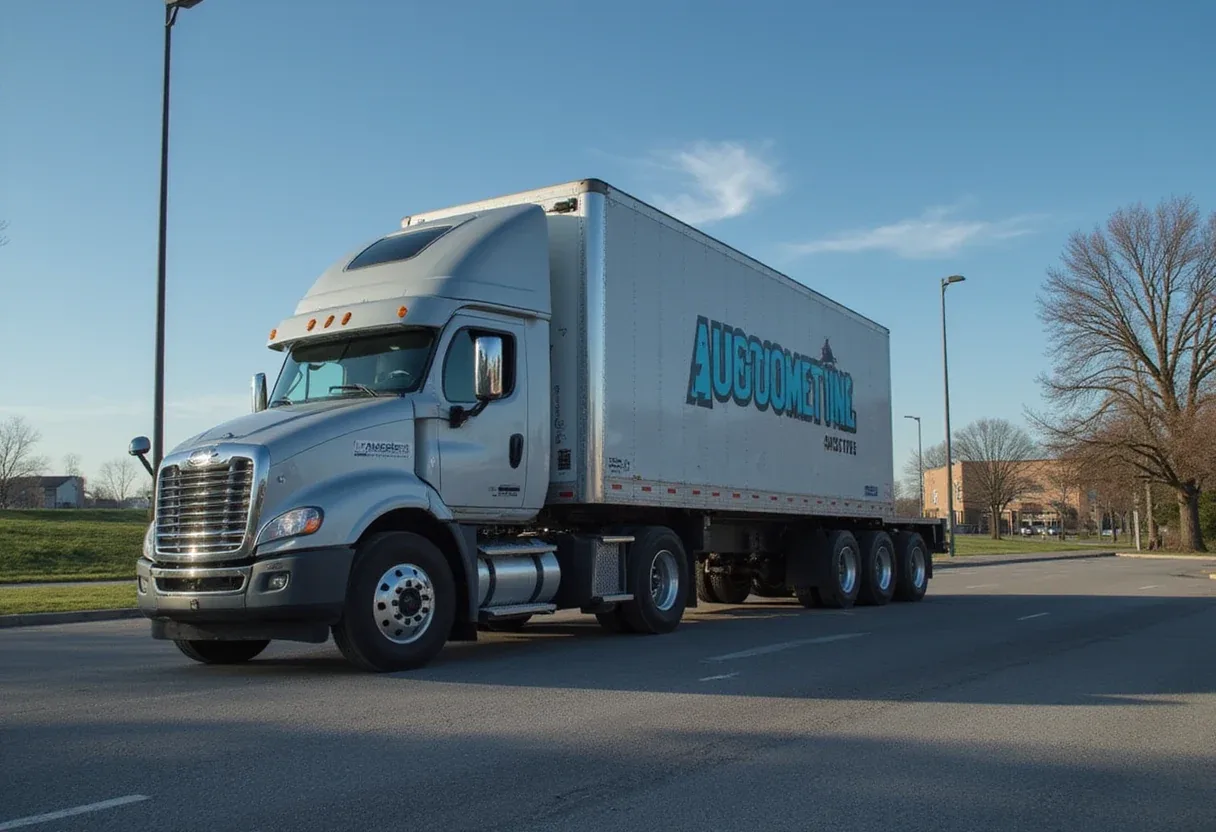
Ohio has hosted a public test of an autonomous truck, a demonstration its backers say offers a preview of the freight industry's future. The event put self-driving highway technology on show in a state that has worked for years to position itself as a proving ground for automated freight movement.
That single test matters because it happened at all. Autonomous trucking has spent the better part of a decade moving from closed-course trials to public-road pilots, and every visible demonstration pushes the technology closer to commercial deployment. Ohio, sitting astride dense Midwestern freight corridors, is a logical stage for it.
What did the Ohio test actually show?
The demonstration showcased an autonomous tractor operating as part of a test program, an exhibit of where freight transport is heading rather than a finished commercial product. Public tests like this serve two functions: they prove the hardware and software under real conditions, and they normalize the sight of a truck driving itself for regulators, shippers and the motoring public.
Neither function is trivial. The regulatory patchwork across US states remains one of the biggest brakes on autonomous freight. Tests conducted openly, with state authorities aware and involved, build the operational record that eventual approval frameworks will rest on.
Why Ohio?
Ohio has invested in connected and automated vehicle infrastructure for years, including instrumented stretches of highway designed for exactly this kind of work. The state's corridors carry a heavy share of Midwest trucking traffic, which makes them a representative environment for autonomous systems. A technology that works on Ohio's roads is one step closer to working on the lanes shippers actually pay to move freight on.
The location also carries symbolic weight for the industry. The Rust Belt corridor between manufacturing plants, distribution centers and East Coast ports is precisely the long-haul, highway-heavy duty cycle that autonomous trucking backers target first.
What's at stake for carriers and shippers?
The commercial logic is no secret. Long-haul trucking struggles with persistent driver shortages, high turnover and wage inflation. An autonomous tractor that can run routes without rest-hour limits changes the cost math on length-of-haul freight, potentially compressing rates on the lanes it serves first.
For shippers and forwarders, that cuts both ways. Cheaper, more predictable linehaul capacity is attractive. But adoption timelines remain uncertain, and no shipper should build a network plan around autonomy arriving on schedule.
For carriers, the calculus is sharper. Fleets that partner early with autonomous developers gain operational experience and data. Fleets that wait face a possible cost disadvantage if the technology matures faster than expected, though the industry has heard aggressive timelines before and watched them slip.
The realistic timeline
Demonstrations are not deployments. The gap between a public test and a driverless truck running a revenue load on a scheduled lane remains wide, measured in years of validation, regulatory sign-off and insurer comfort. Every test narrows that gap. None of them closes it.
The Ohio showing fits a broader pattern: incremental public-road pilots, staged announcements, gradual expansion of operational design domains. That steady cadence, rather than any single breakthrough, is how this technology will arrive in freight.
For now, the signal to watch is frequency. More public tests in more states, on more freight corridors, mean the industry is converging on deployable autonomy. Ohio's demonstration adds one more data point to that trajectory, and suggests the pace is quickening.
Source: Google News: trucking industry
More from James Calloway
Show full bio
Correspondent covering companies, deals and strategy in Ocean and air freight, container shipping at Waybill Wire.
507 articles
Related05
Ohio Road-Tests Autonomous Trucks, and Freight Takes Note
Texas Emerges as the Proving Ground for Driverless Semi Trucks
Ohio Trucking Slips Into What Industry Calls a Historic Recession
Ohio Trucking Companies Face Crisis as Diesel Costs Soar
Venti to Put 100+ Autonomous Yard Trucks Into US Rail Terminals by 2027