WW/SUPPLYCHAI
Norwegian consortium sets 2027 test for 5 MW nuclear propulsion
A Norwegian-led consortium plans 2027 full-scale trials of a 5 MW nuclear propulsion system at Stette near Ålesund, Norway, with an offshore-vessel target in 2031-32.
- By
- Tom Whitfield
- Filed
- Length
- 681 words
- Read
- 3 min
Key points05
- Full-scale MarNuPS testing is planned at Stette near Ålesund in 2027.
- The system uses Emerald Nuclear’s 5 MW electric Gem microreactor technology.
- Island Offshore plans to become the first shipowner to install the system on an offshore vessel.
- First vessel deployment is targeted for 2031 or 2032, subject to technical qualification and regulatory approval.
- The latest pilot received NOK20m ($2m), while initial development is expected to cost about NOK150m ($15.6m).
By Tom Whitfield
A Norwegian-led consortium plans to begin full-scale testing of a 5 MW marine nuclear propulsion system at Stette near Ålesund in 2027, with first vessel deployment targeted for 2031 or 2032.
Emerald Nuclear Norway leads the Marine Nuclear Propulsion System, or MarNuPS, project, which is moving from engineering studies to physical integration and testing. Its integrated design combines Emerald Nuclear’s 5 MW electric Gem microreactor technology with energy storage, power conversion, vessel power management, automation and bridge control systems.
Test scope and safety
The initial testing phase will use electric heating instead of nuclear fuel to simulate reactor operation. That lets engineers assess how the propulsion system performs under realistic vessel operating conditions without introducing nuclear fuel into that phase.
Tests will examine normal operation, rapid changes in power demand, system stress, emergency responses and interaction with ship crews. The scope matters because the machinery must work as part of a vessel’s electrical and control architecture, not merely produce power under laboratory conditions.
Consortium roles
The consortium includes shipbuilder Vard Group, Vard Electro, offshore vessel owner Island Offshore, the Norwegian University of Science and Technology (NTNU), Imperial College London and engineering specialist Maskindynamikk.
- Vard Group will handle ship design and system integration.
- Vard Electro will develop the power-management and automation systems.
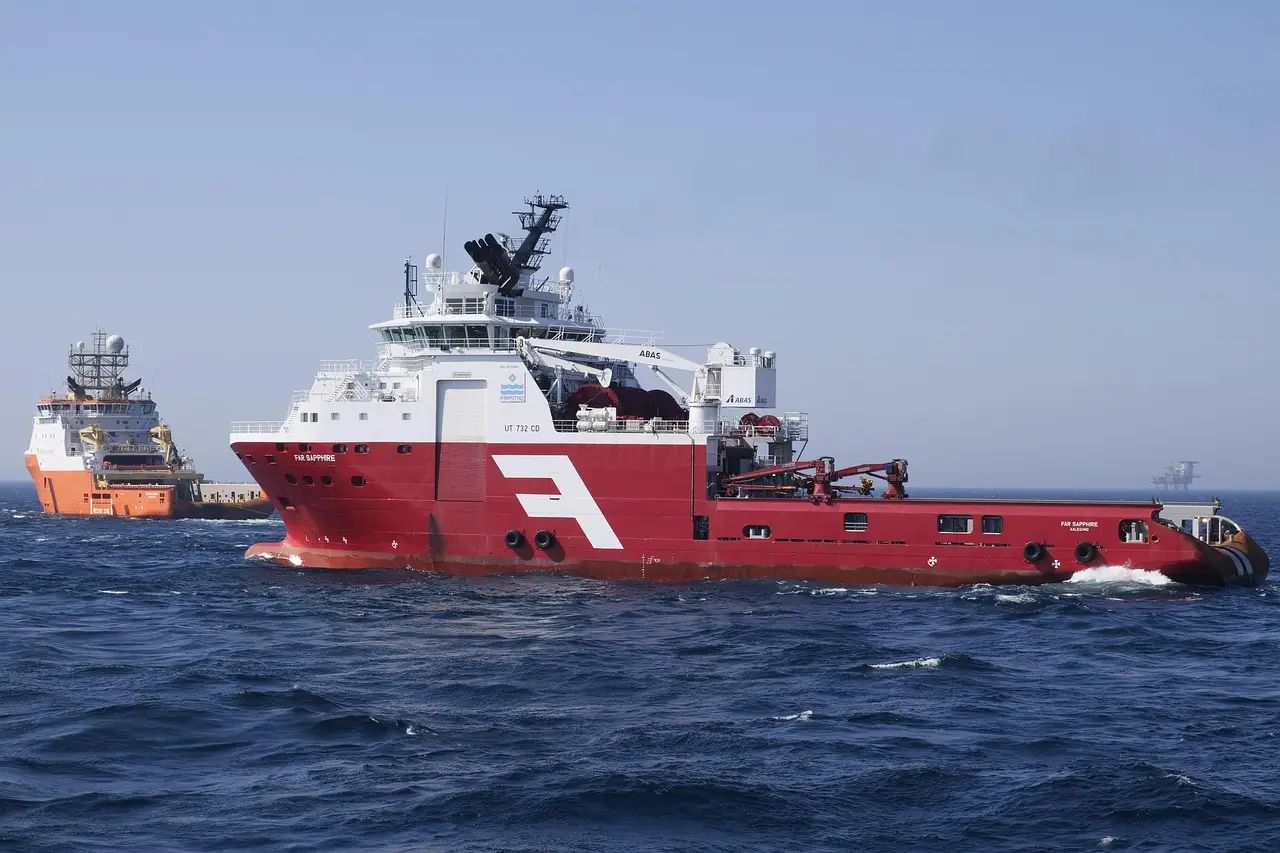
- Island Offshore will contribute operational expertise and plans to become the first shipowner to install the technology on an offshore vessel.
- NTNU and Imperial College London bring the programme’s academic and research links, while Maskindynamikk participates as an engineering specialist.
NuProShip foundation
MarNuPS builds on the NTNU-led NuProShip research programme, which has examined the feasibility of integrating advanced nuclear reactors into commercial shipping. Earlier this year, Vard presented a nuclear-powered offshore construction vessel concept developed through NuProShip II.
That concept work examined reactor integration, operational requirements and safety considerations. MarNuPS moves the programme toward physical integration and a full-scale test at Stette.
Development funding
The latest pilot has received NOK20m ($2m) from the Research Council of Norway. The initial development stage is expected to cost approximately NOK150m ($15.6m), including partner contributions.
The two figures describe different commitments: NOK20m in research support and an approximately NOK150m initial development cost that includes partner contributions. No separate vessel-construction or installation cost has been disclosed, and no commercial service or deployment beyond Island Offshore’s intention has been announced.
What changes for shipowners and carriers?
Very little changes for freight capacity or pricing in the near term. The project’s earliest commercial installation is targeted for 2031 or 2032, while the 2027 test phase uses electric heating rather than nuclear fuel. MarNuPS has not been tied to a container service, bulk service or named port rotation.
For Island Offshore, the nearer commercial test is whether an integrated system can complete technical qualification and obtain the required regulatory approvals. Its operational expertise and plan to become the first installing shipowner make it a useful owner-operator case, but they do not remove integration risk.
The practical answer is to keep MarNuPS on the technology watchlist, not the capacity forecast. For carriers and forwarders, there is no present basis for changing procurement, network or freight-rate decisions; for Vard Group and Vard Electro, the near-term work is to turn a research concept into integrated ship systems and automation that can pass full-scale trials.
The commercial gate
The 2027 Stette campaign is a gate, not a guarantee. Initial tests can establish how the integrated propulsion and control architecture handles normal operation, sudden load changes, stress, emergencies and crew interaction; they cannot yet demonstrate performance with nuclear fuel.
Actual deployment depends on completing technical qualification and obtaining the necessary regulatory approvals. Until both gates clear, no additional vessel should be counted as committed capacity, and the project offers no near-term freight-market or port-level change.
The next checkpoints are construction of the Stette test facility, completion of the electric-heat campaign in 2027, and the technical and regulatory work needed before Island Offshore can pursue a 2031 or 2032 debut.
Source: Splash247
More from Tom Whitfield
Show full bio
Market editor covering companies, deals and strategy in Ocean and air freight, container shipping at Waybill Wire.
702 articles
Related05
Pink Corridor Project to study nuclear-powered transatlantic box route
World's No. 2 container line eyes nuclear-powered US-UK service
Pink Corridor Project Targets Nuclear-Powered Transatlantic Box Route
ABS and US DOE Sign Maritime Nuclear MOU With No Money Attached
ABS and U.S. DOE Sign Agreement to Advance Nuclear-Powered Shipping