WW/OCEANFREIG
MSM rebrands in Dubai, bets trust beats scale in shipmanagement
MSM, formerly Maryam Shipmanagement, rebrands from Dubai with a 3-5 year controlled growth plan, arguing trust and access will beat scale in a consolidating sector.
- Desk
- Ocean Freight
- By
- James Calloway
- Filed
- Length
- 831 words
- Read
- 4 min
Key points05
- Maryam Shipmanagement rebranded as MSM and moved to new Dubai headquarters.
- CEO Faouzi Fradi expects selective growth in technical and crew management over 3-5 years.
- Dry bulk and tankers are MSM's most immediate growth segments; LNG, LPG and VLCC require new crewing competence.
- MSM is investing in AI-assisted reporting, predictive maintenance and charterparty administration.
- Fradi says the sector's future differentiator is trust, not scale or technology.
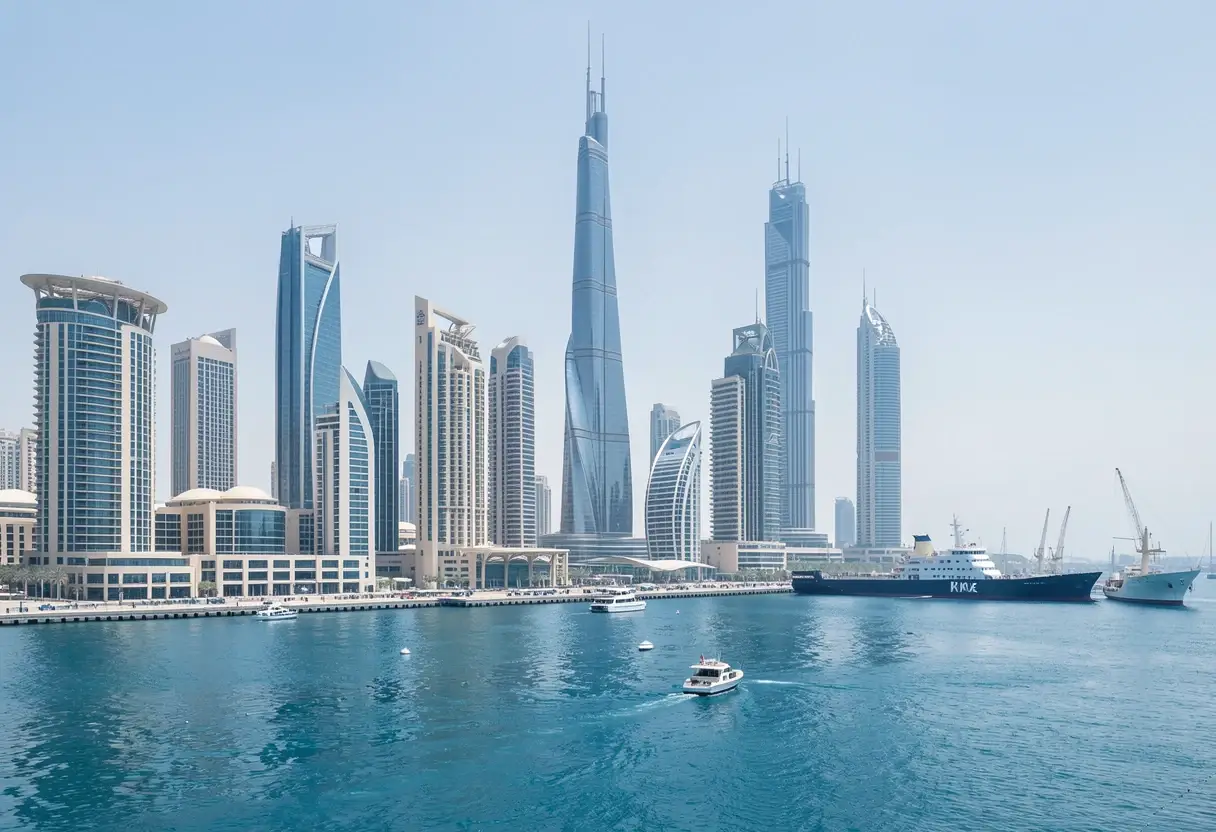
Maryam Shipmanagement has rebranded as MSM, opened new headquarters in Dubai, and set out a three-to-five-year plan to grow selectively in technical and crew management as an owner-aligned alternative to the largest global shipmanagement groups.
CEO Faouzi Fradi frames the rebrand as more than a name change. "The rebrand is only the starting point. It signals our transition from being mainly a group-focused shipmanager into a broader international third-party management platform," he said.
Dubai stays the centre of operations, with reach strengthened through Turkey, Greece, Norway, India and the Philippines. Growth, Fradi insists, will follow capability rather than the reverse.
What does the rebrand change commercially?
MSM is positioning itself against the biggest players in a consolidating sector, arguing that scale cuts both ways. "Large managers bring scale, systems and purchasing power, and these are real advantages. But scale can also create layers, slower decisions and additional costs," Fradi said.
Accessibility, flexibility, cost discipline and direct accountability are where a smaller manager competes. At MSM, senior management stays close to vessels, and resources shift with operational need. During a dry docking or a serious technical problem, Fradi says a vessel may have the CEO, technical manager, procurement manager and several superintendents directly involved.
"We work collaboratively and make decisions quickly. That combination of quality, responsiveness and value-for-money is where a boutique manager can genuinely compete," he said.
There is no target fleet size. "For me, the objective is not to reach a particular fleet number. It is to build an organisation that can grow substantially without becoming bureaucratic or losing direct access to senior management," Fradi said. "We are not pursuing fleet growth or geographical expansion for its own sake."
Which segments come first?
Dry bulk and tankers offer the most immediate opportunities because MSM already has the people, systems and operating experience in those sectors. Its team also has containership and offshore vessel experience.
Specialised tonnage is another matter. "For specialised sectors such as LNG, LPG or VLCCs, technical knowledge alone is not enough; the crewing pool and competence base must also be built carefully," Fradi said. "Growth should follow capability, not the other way around."
MSM also targets owners that outsource selected functions first, then move toward full management.
Why Dubai?
Fradi points to proximity to owners, charterers, financiers, traders and service companies, plus the emirate's position between Europe and Asia, strong infrastructure and global air connections. Traditional European and Asian centres remain important, he says, but Dubai offers "a combination of access, speed and resilience that is difficult to replicate."
He expects meaningful growth from Middle Eastern owners while ambitions stay global. "Our task is to show clients elsewhere that a Dubai-based manager is not more distant; with modern communications and international offices, it can be closer, faster and highly competitive," he said.
Where does technology fit?
MSM is investing in AI-assisted reporting, predictive maintenance, fleet performance tools and AI-assisted charterparty administration. The tools structure reporting, flag exceptions in fleet data, prioritise maintenance and organise charterparty obligations, deadlines and claims. AI-assisted job and expense monitoring has improved visibility and decision speed in dry dockings.
Fradi's test is blunt. "The test for AI is simple: does it save time, improve a decision or prevent cost? If not, it is simply another technology layer," he said. "AI will not replace the superintendent or manage a seafarer's career. Its role is to reduce administrative workload and give experienced people more time for judgement."
What about decarbonisation and crewing?
Fradi won't sell owners a single fuel answer for the 2030s. "The sensible approach is to preserve optionality," he said, starting with hull and machinery efficiency, voyage optimisation, accurate data and retrofits with clear payback. Fuel choices must then be tested against trading pattern, vessel age, charter profile, remaining economic life, infrastructure availability and carbon exposure.
On crewing, he expects the sharpest pressure among experienced senior officers and engineers familiar with automation, electronic engines, alternative fuels and digital ships. "The shortage is not only about numbers; it is about competence," he said. Retention increasingly depends on predictable rotations, connectivity, shore support and respect for leave, not pay alone. Training must be continuous, not a certification box-tick.
Geopolitics, sanctions and shifting trade patterns are raising cost and complexity. Fradi flags heavier due diligence on sanctions regimes, banking restrictions and counterparties, plus higher crewing costs around war zones. "Owners can underestimate how quickly these risks interact," he warned, which makes liquidity and fast vessel-level decisions more important.
Five years out, Fradi expects successful managers to need strong systems, commercial discipline and good people, but says the differentiator is simpler: "I believe the real difference will remain something much more human: trust." The winning shipmanager, in his view, will be "the one who can grow without losing the human relationship; with the owner, with the vessel and, most importantly, with the people who make the whole operation possible."
Source: Splash247
More from James Calloway
Show full bio
Correspondent covering companies, deals and strategy in Ocean and air freight, container shipping at Waybill Wire.
816 articles
Related05
BSM merges Cyprus and Hellas operations under Solomonides from 2027
ABP Buys Humber Operator Global Shipping Services
Emirates and Dubai Chambers sign deal to push SMEs into global markets
DP World Adds Two Independent Non-Executive Directors to Board
Emirates SkyCargo opens six-continent network to Dubai SMEs