WW/OCEANFREIG
MSC Swaps 4,800-TEU Ships for 16,000-TEU Giants on Red Sea Zephyr Service
MSC replaces four 4,800-TEU ships with seven 16,000-TEU vessels on its Zephyr loop, adding King Abdullah Port and Jeddah while dropping Salalah.
- Desk
- Ocean Freight
- By
- Tom Whitfield
- Filed
- Length
- 573 words
- Read
- 3 min
Key points05
- MSC will replace four 4,800-TEU vessels with seven ships of about 16,000 TEU each on the Zephyr service
- King Abdullah Port and Jeddah join the rotation; Salalah is removed
- New rotation: Colombo – Djibouti – King Abdullah Port – Jeddah – Colombo
- Deployed capacity on the string rises from ~19,200 TEU to ~112,000 TEU
- The change significantly expands MSC's Saudi Arabian coverage, per DynaLiners
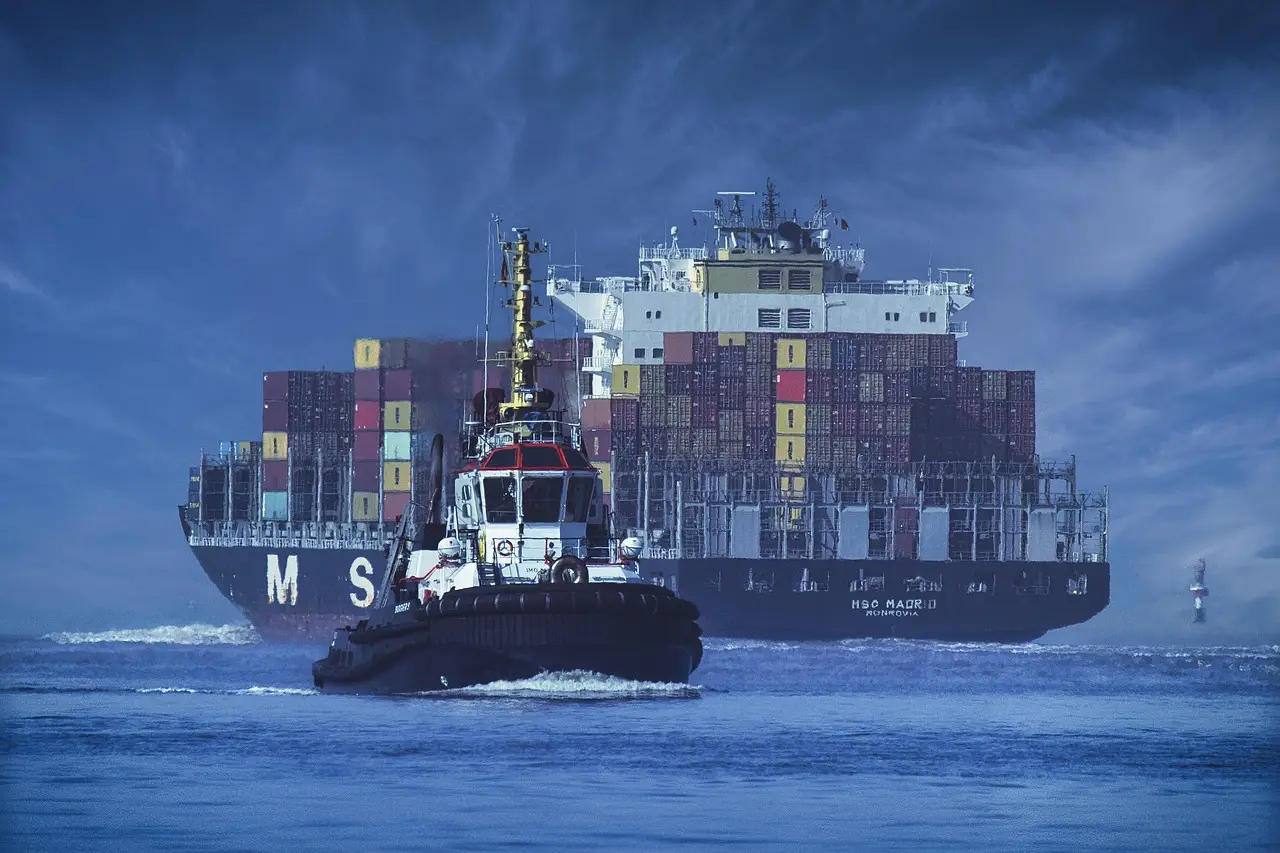
MSC is quadrupling the capacity on its Zephyr service almost overnight: seven ships of roughly 16,000 TEU each will replace the four 4,800-TEU vessels running the loop today, according to DynaLiners.
The maths is stark. Deployed capacity jumps from about 19,200 TEU across the string to roughly 112,000 TEU — a near six-fold increase on a single intra-Asia-to-Red Sea corridor.
Two new Saudi Arabian calls anchor the redesign. King Abdullah Port and Jeddah join the rotation, extending the service into the Red Sea proper and widening MSC's Saudi coverage.
One port loses out. Salalah, in Oman, comes off the string at the same time.
What does the new rotation look like?
The revised port loop, as reported by DynaLiners, runs:
- Colombo
- Djibouti
- King Abdullah Port
- Jeddah
- back to Colombo
Today the service links Colombo with Djibouti, with Salalah in the mix. After the shake-up, the service keeps its Colombo–Djibouti spine, adds the two Saudi calls, and drops Oman entirely.
What does this change for shippers?
For cargo owners moving freight between South Asia and the Red Sea, the immediate effect is capacity — a lot of it. A 16,000-TEU vessel carries more than three times what a 4,800-TEU ship does, and the loop gains three additional vessels besides.
That scale matters in a corridor where box availability and slot space have been tight points of friction. More slots per sailing should give forwarders and beneficial cargo owners more room to plan, and bigger ships usually mean lower unit costs that carriers can, in competitive conditions, pass through in rate negotiations.
Saudi shippers are the clearest winners. King Abdullah Port and Jeddah both gain a direct MSC call on a loop fed from Colombo, one of the Indian subcontinent's main transhipment hubs. Importers and exporters in the Kingdom get a direct, high-capacity link they did not have on this string before.
Djibouti keeps its position as the Horn of Africa gateway on the service, now connected onward to the Saudi ports on the same rotation.
For shippers who have been routing Saudi-bound cargo through Salalah, the message is blunt: re-plan. Cargo that previously moved via the Omani port will need to shift to the new Saudi calls or find alternative routings.
Why move up to 16,000-TEU tonnage here?
The vessel upsizing is the striking part of this story. Ships of that size are mainline workhorses on Asia–Europe lanes, not typical intra-regional hardware.
Deploying them on a Colombo–Red Sea loop signals two things. First, MSC has surplus large tonnage it can redeploy, and it sees demand on this corridor worth chasing. Second, the carrier is betting that Red Sea and Saudi volumes — and transhipment flows moving through Colombo — can fill decks that size.
The Saudi expansion fits the Kingdom's heavy port-investment push, with King Abdullah Port positioned on the west coast to serve both domestic cargo and Red Sea transit flows.
What comes next?
The structural read is straightforward: capacity on this corridor is about to rise sharply, Saudi Arabia gains direct mainline-scale connectivity, and Salalah loses a string. Whether the added slots tighten or loosen rates on the lane will depend on how fast demand absorbs them — but shippers routing through either Salalah or the Saudi ports should be reviewing their bookings now, ahead of the rotation switch.
Source: Container News
More from Tom Whitfield
Show full bio
Market editor covering companies, deals and strategy in Ocean and air freight, container shipping at Waybill Wire.
760 articles
Related05
MSC Extends Shikra Service to Khor Fakkan and Sohar in Gulf Push
Marsa Ocean doubles down on India-Gulf with new IGX loop
Greta Shipping slots 1,700-TEU ship into Maersk's Salalah–Mogadishu feeder
GT Lines opens fortnightly Khorfakkan–Djibouti container shuttle
Akkon Lines Adds Iskenderun to Jeddah Express, Linking Five Turkish Ports to Red Sea